Typical San Marino costs, permit steps and timelines are below. When you are ready, describe your project and up to four local electricians serving San Marino will contact you. You compare and decide.
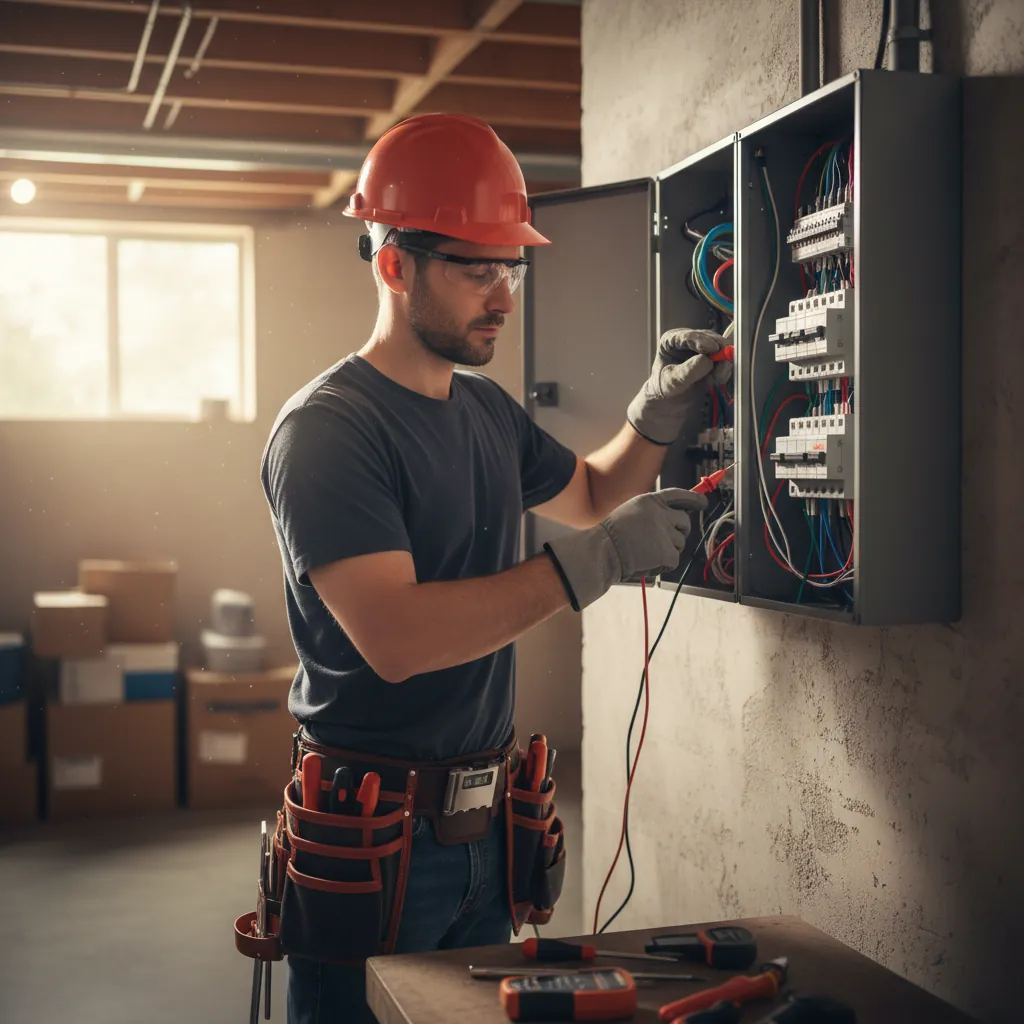
Comprehensive on-site load calculation and vintage wiring safety assessment
Detailed project planning to protect historic plaster and architectural molding
Permit filing and plan submission to the City of San Marino Planning & Building Department
Professional installation of modern wiring, panels, or dedicated appliance circuits
Rigorous grounding system verification suited for local alluvial soil conditions
Final municipal inspection coordination to sign off on the building permit
Older estates in San Marino often require new grounding rods driven into the alluvial soil and aesthetic integration of outdoor enclosures to meet strict municipal codes.
Larger historic homes with lath-and-plaster walls require careful, labor-intensive routing through crawlspaces and attics to avoid cosmetic damage.
Pricing depends on the distance from your main panel to the garage or driveway, and whether local aesthetic rules require trenching and underground conduit.
Typical market ranges for the Greater Los Angeles area, not a quote or a guarantee. The price of your job depends on its scope, so ask each pro for a written estimate before you decide. Bars share one scale, so you can compare project sizes.
San Marino is celebrated for its historic, expansive estates and beautifully preserved early 20th-century architecture. Maintaining these classic properties requires specialized electrical expertise that respects original craftsmanship while safely integrating modern power demands. We connect you with independent local electrical contractors who understand the unique structural and regulatory details of San Marino homes.
The gently sloping terrain and deep alluvial soils of San Marino mean many of our classic homes sit on raised foundations with crawlspaces that house aging, delicate knob-and-tube or cloth-insulated wiring.
During our hot inland summers, heavy air conditioning loads put immense strain on these vintage electrical systems. Safely upgrading these panels requires navigating tight subfloor spaces and adhering strictly to the City of San Marino Planning & Building Department's rigorous preservation standards.
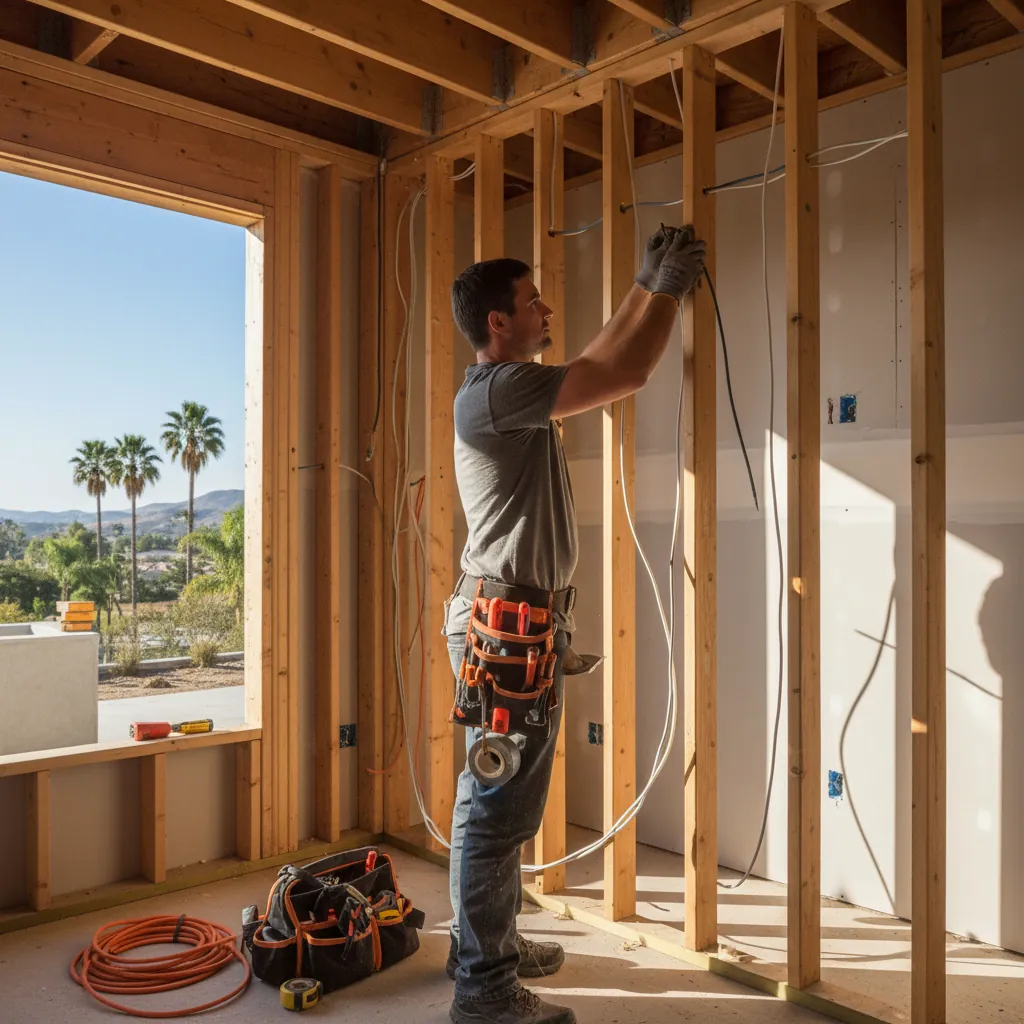
ContractorPro.Leads doesn't do the work itself. We pass your San Marino project to up to four local electricians who take this kind of job, and you decide whether to hire any of them.
Whether you own a Monterey Colonial near Lacy Park or a classic Tudor revival along the wide, tree-lined streets near The Huntington Library, San Marino's residential character is unmatched. Upgrading your home's power systems along major corridors like Huntington Drive requires an eye for detail, ensuring new service panels and exterior conduit blend seamlessly with the city's strict aesthetic guidelines.
Tell us what you have in mind. We'll pass it to up to four local pros, and they'll contact you to talk it through.
Yes. The City of San Marino Planning & Building Department requires permits for all major electrical work, including panel upgrades, whole-home rewiring, and new EV charging circuits, to ensure safety and code compliance.
Standard residential electrical permits for straightforward jobs like panel upgrades or EV chargers typically take 5 to 10 business days for plan check and approval by the City of San Marino Planning & Building Department.
Yes, San Marino residents can often take advantage of SCE rebates for panel upgrades required for EV charging or electric heat pump water heaters. A qualified contractor can help guide you through the eligible equipment lists.
Older homes built on raised foundations in alluvial soil may rely on obsolete grounding methods. Modern electrical safety standards require driving two copper grounding rods deep into the earth to ensure safe dissipation of electrical faults.
Yes. Experienced local contractors utilize crawlspaces, attics, and specialized fishing tools to route modern wiring, keeping invasive cuts to historic lath-and-plaster surfaces to an absolute minimum.
