Typical San Marino costs, permit steps and timelines are below. When you are ready, describe your project and up to four local HVAC contractors serving San Marino will contact you. You compare and decide.
San Marino is characterized by its sweeping residential properties, historic estates, and a lush canopy of mature trees. Preserving the structural integrity of these classic homes requires a highly specialized approach to heating, ventilation, and air conditioning. We connect you with local HVAC professionals who respect the unique architectural legacy of our neighborhood while delivering modern, energy-efficient comfort.
Many classic homes in San Marino are built on alluvial soil and feature raised foundations with crawlspaces that are highly susceptible to moisture and settling.
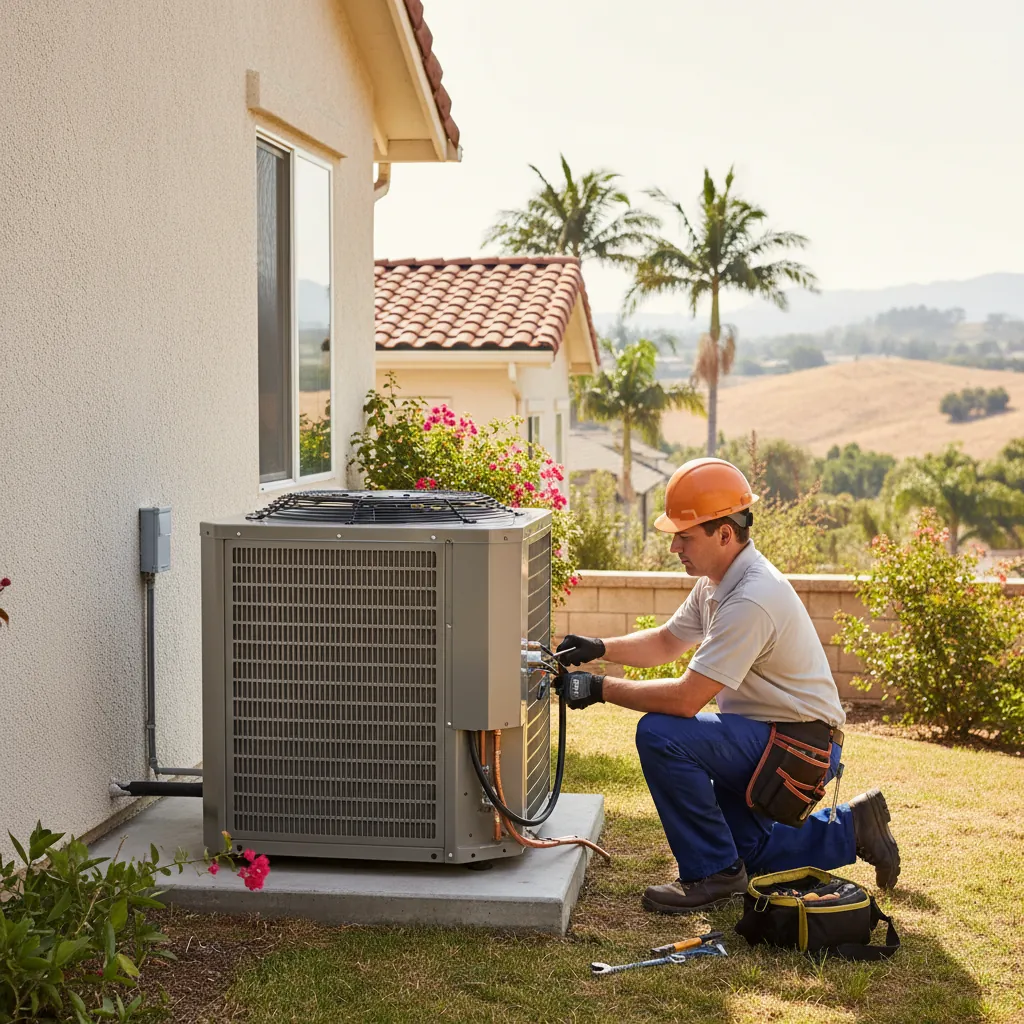
This requires expert ductwork sealing to prevent musty crawlspace air from being drawn into living areas during our hot, inland summers. Additionally, outdoor condenser placement must be carefully planned to comply with strict municipal setback and noise ordinances designed to preserve the quiet ambiance of our large residential lots.
San Marino's large, multi-story historic homes often require multi-zone systems or minor duct modifications to ensure balanced heating and cooling.
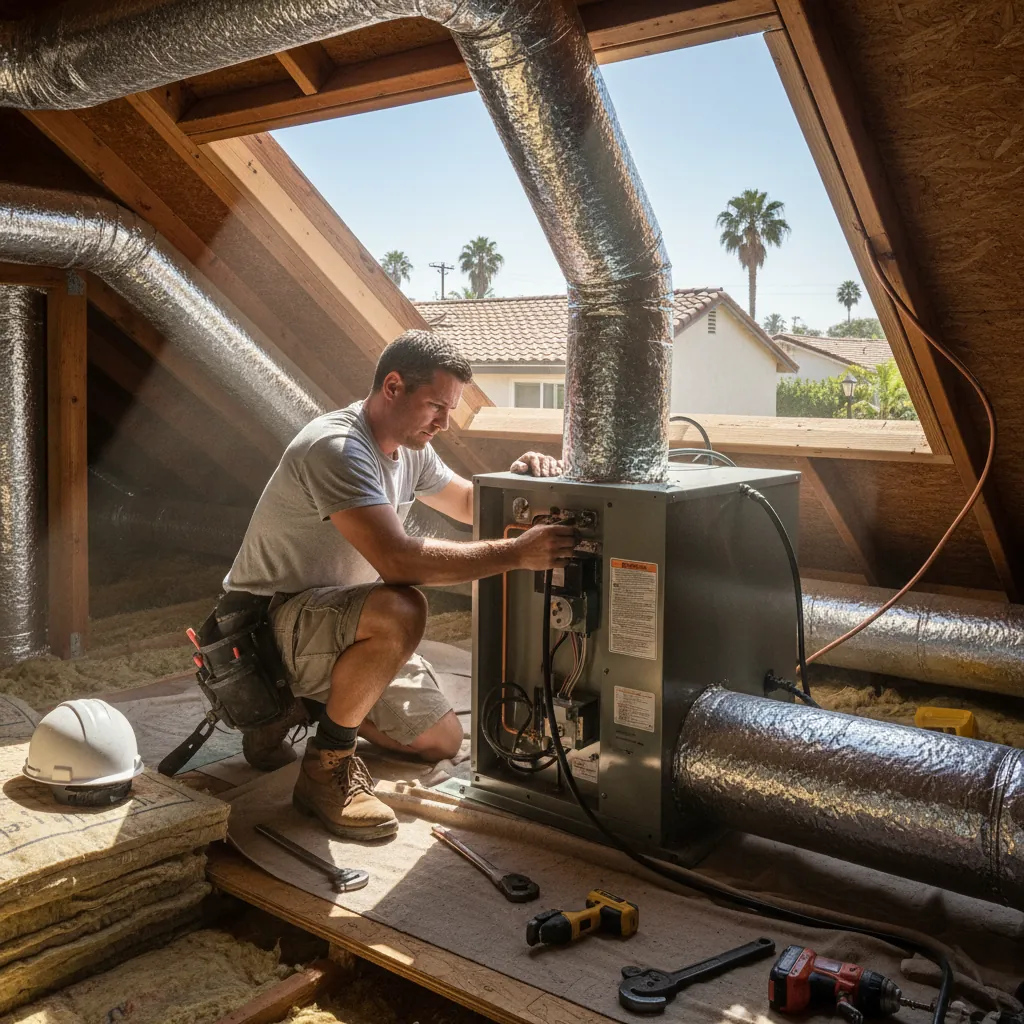
Older raised-foundation homes often require ductwork run through tight crawlspaces, requiring high-grade insulation and sealing to prevent moisture intrusion.
To meet strict local noise ordinances near neighboring property lines, specialized low-decibel units or sound blankets are frequently integrated.
Typical market ranges for the Greater Los Angeles area, not a quote or a guarantee. The price of your job depends on its scope, so ask each pro for a written estimate before you decide. Bars share one scale, so you can compare project sizes.
Comprehensive heat load calculation (Manual J) tailored to your home’s insulation and window orientation
Evaluation of existing crawlspace or attic ductwork for structural integrity and proper air sealing
System selection focusing on whisper-quiet decibel levels to satisfy strict local noise ordinances
Filing of all necessary permits with the City of San Marino Planning & Building Department
Precise installation of indoor and outdoor units with proper vibration-damping pads
Post-installation testing, system balancing, and coordination of the final municipal inspection
ContractorPro.Leads doesn't do the work itself. We pass your San Marino project to up to four local HVAC contractors who take this kind of job, and you decide whether to hire any of them.
From the grand estates lining Huntington Drive to the historic properties surrounding Lacy Park and the Huntington Library, San Marino’s tree-lined streets require discreet, whisper-quiet climate systems. Local contractors specialize in retrofitting older properties without disrupting plaster walls, ensuring your modern system blends seamlessly into your home's classic aesthetic.
Tell us what you have in mind. We'll pass it to up to four local pros, and they'll contact you to talk it through.
Permits issued by the City of San Marino Planning & Building Department typically take 1 to 2 weeks for standard replacements, as local officials review system placement and decibel ratings to ensure compliance with strict residential codes.
Older homes on raised foundations often experience draftiness or heat rising to upper levels. Zoning your system or installing a high-velocity duct network helps balance the microclimates between your cool crawlspace-adjacent floors and warm upper stories.
Yes. The City of San Marino has strict setback and noise regulations. Outdoor condensers must be placed away from property lines and often require low-decibel ratings to protect the quiet character of the neighborhood.
Absolutely. Local pros frequently recommend ductless mini-splits or flexible, high-velocity small-duct systems. These allow for modern climate control while leaving your home's historic interior trim and plaster untouched.
Given our hot inland summers, we highly recommend scheduling your air conditioning service in March or April. This ensures your system is optimized before the valley heat peaks, preventing mid-summer breakdowns.
