Your request goes to up to four local pros serving Eagle Rock. Before any of them can receive it, we check their license where the work requires one, their business address.
Nestled in the beautiful San Rafael Hills, Eagle Rock homes face a unique combination of blistering summer heatwaves and chilly winter canyon drafts. Maintaining year-round comfort requires high-performing thermal barriers tailored specifically to our local microclimate. We connect you with local contractors in your area who understand how to optimize the energy efficiency of both historic craftsman bungalows and modern hillside properties.
Because many Eagle Rock homes are built on the steep slopes of the San Rafael Hills, they often feature elevated crawlspaces that are highly vulnerable to rising heat and moisture from the rocky hillside soils. Additionally, being situated in a designated Very High Fire Hazard Severity Zone means homes require specialized fire-resistant insulation materials, such as mineral wool, to meet strict City of Los Angeles building codes and protect properties from seasonal wildfire threats.
| Project | Typical range | What affects it locally |
|---|---|---|
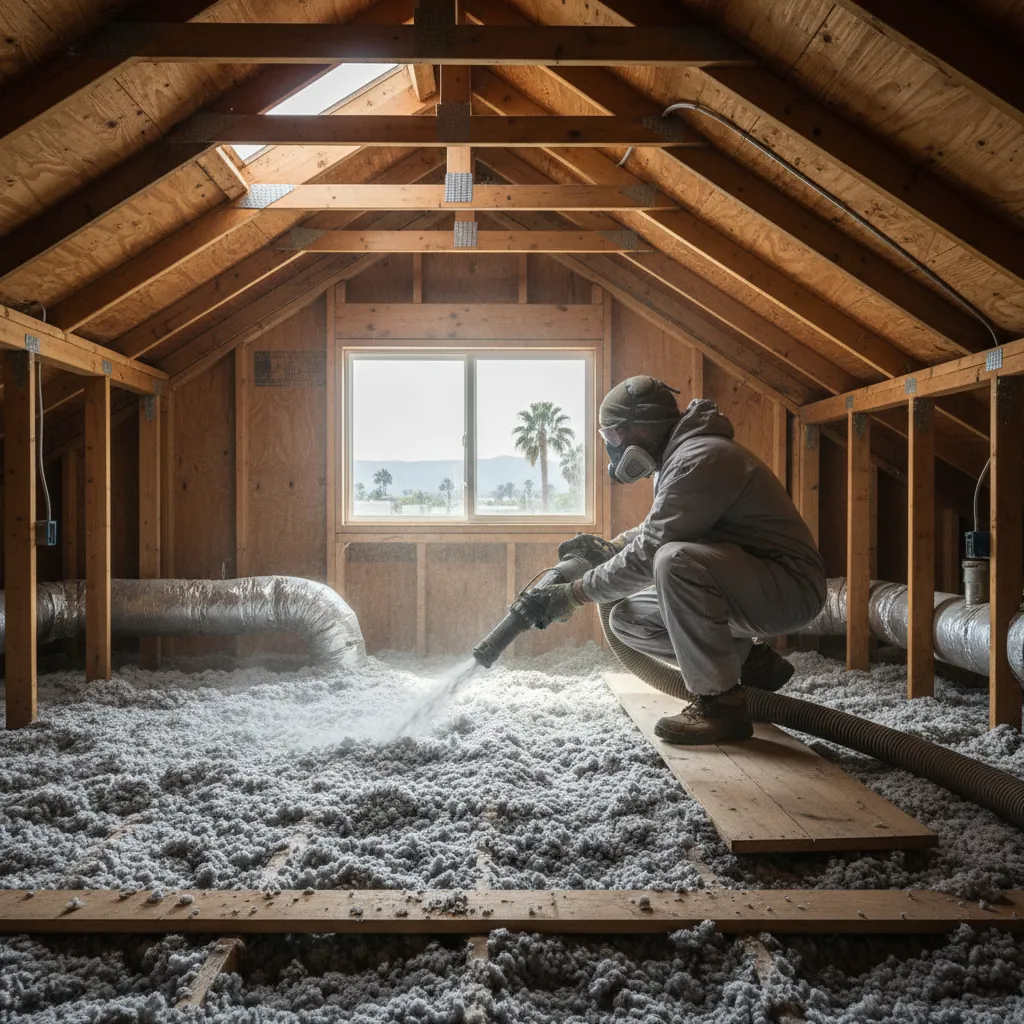
| Attic Air Sealing & Blown-In Insulation | $2,200 - $4,800 | Typical for standard 1,200 to 1,800 sq. ft. Eagle Rock homes, depending on attic accessibility and existing insulation removal needs. |
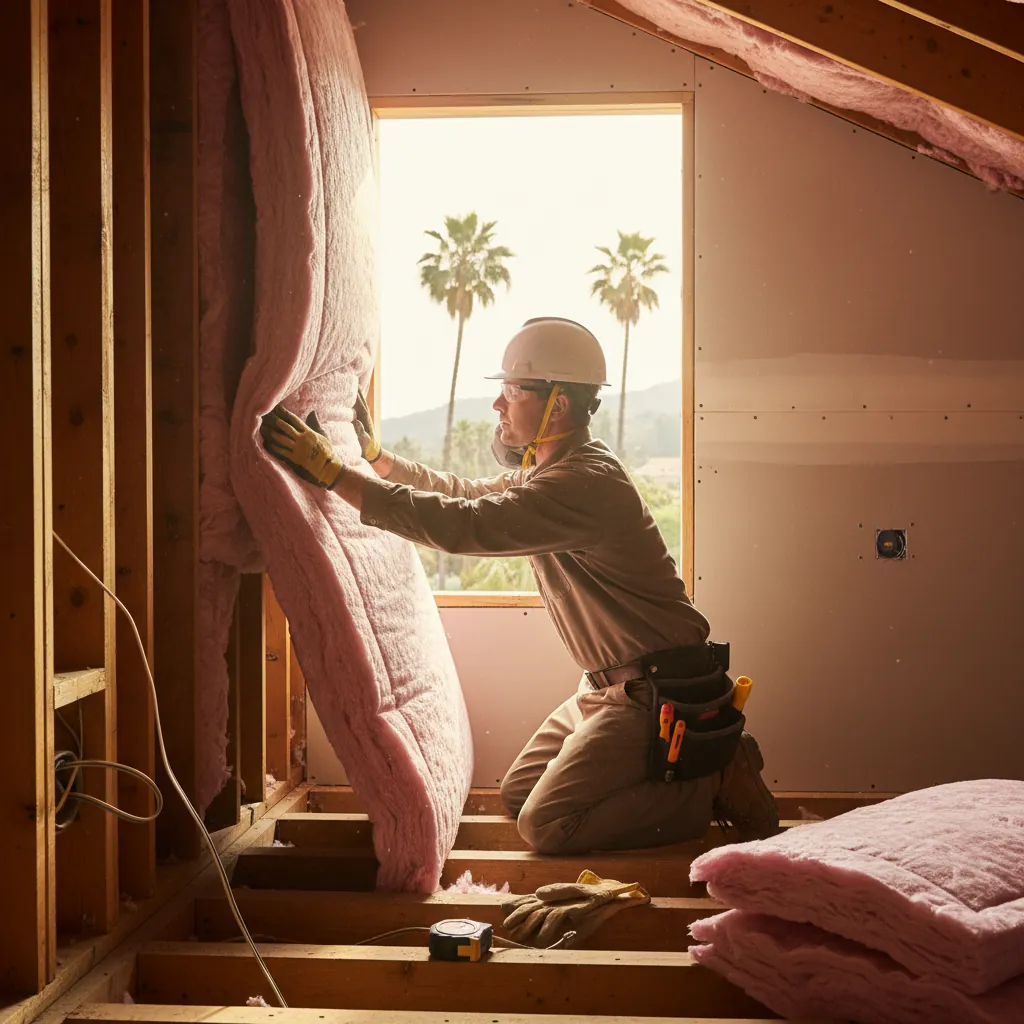
| Fire-Resistant Mineral Wool Batts | $3,100 - $5,800 | Highly recommended for homes in high fire hazard zones near the San Rafael Hills to enhance thermal and fire protection. |
| Crawlspace Insulation & Vapor Barrier | $1,800 - $3,500 | Crucial for sloped hillside properties where dampness from rocky soils can seep into wooden floor joists. |
Typical market ranges for the Greater Los Angeles area, not a quote or a guarantee. The price of your job depends on its scope, so ask each pro for a written estimate before you decide.
ContractorPro.Leads doesn't do the work itself. We match Eagle Rock homeowners with local companies, and a company has to pass these checks before it can receive any request.
These checks show the records as they stood when we reviewed them. Before you sign anything, look up the license yourself at cslb.ca.gov and ask the company for a current insurance certificate.
Whether you own a historic home near Occidental College or a mid-century property along the hilly avenues branching off Colorado Blvd and Eagle Rock Blvd, local homes require a highly customized approach to insulation. The architectural diversity of the 90041 area means some properties have narrow, hard-to-reach attic spaces, while others require specialized crawlspace encapsulation to combat drafts rising from sloped hillside lots.
All home services in Eagle Rock
ZIP code we cover in Eagle Rock: 90041 See every neighborhood we serve
Tell us what you have in mind. We'll pass it to up to four checked local pros, and they'll contact you to talk it through.
Tell us about your projectSimple insulation replacement generally does not require a standalone permit from the Los Angeles Department of Building and Safety (LADBS). However, if the work is part of a larger structural remodel or involves altering ventilation, a permit and inspection will be required to ensure compliance with Title 24 energy standards.
Yes, the Los Angeles Department of Water and Power (LADWP) offers financial rebates for attic insulation upgrades that meet specific R-value standards (typically R-30 or higher). Local contractors can assist with the necessary documentation to ensure you qualify for these savings.
Mineral wool (rockwool) is highly recommended. It is non-combustible, can withstand temperatures over 2,000°F, and provides excellent thermal performance, making it ideal for the high-risk hillside areas of the San Rafael Hills.
Most residential insulation jobs in Eagle Rock take one to two days. This includes prep work, removing old insulation, sealing air leaks, and blowing in or laying down the new material.
Hillside homes built on stilts or sloped lots often have exposed underfloors or deep crawlspaces. Insulating these areas prevents cold air and damp soil moisture from rising into your living spaces, maintaining a stable indoor climate.
