Typical Mar Vista costs, permit steps and timelines are below. When you are ready, describe your project and up to four local landscapers serving Mar Vista will contact you. You compare and decide.
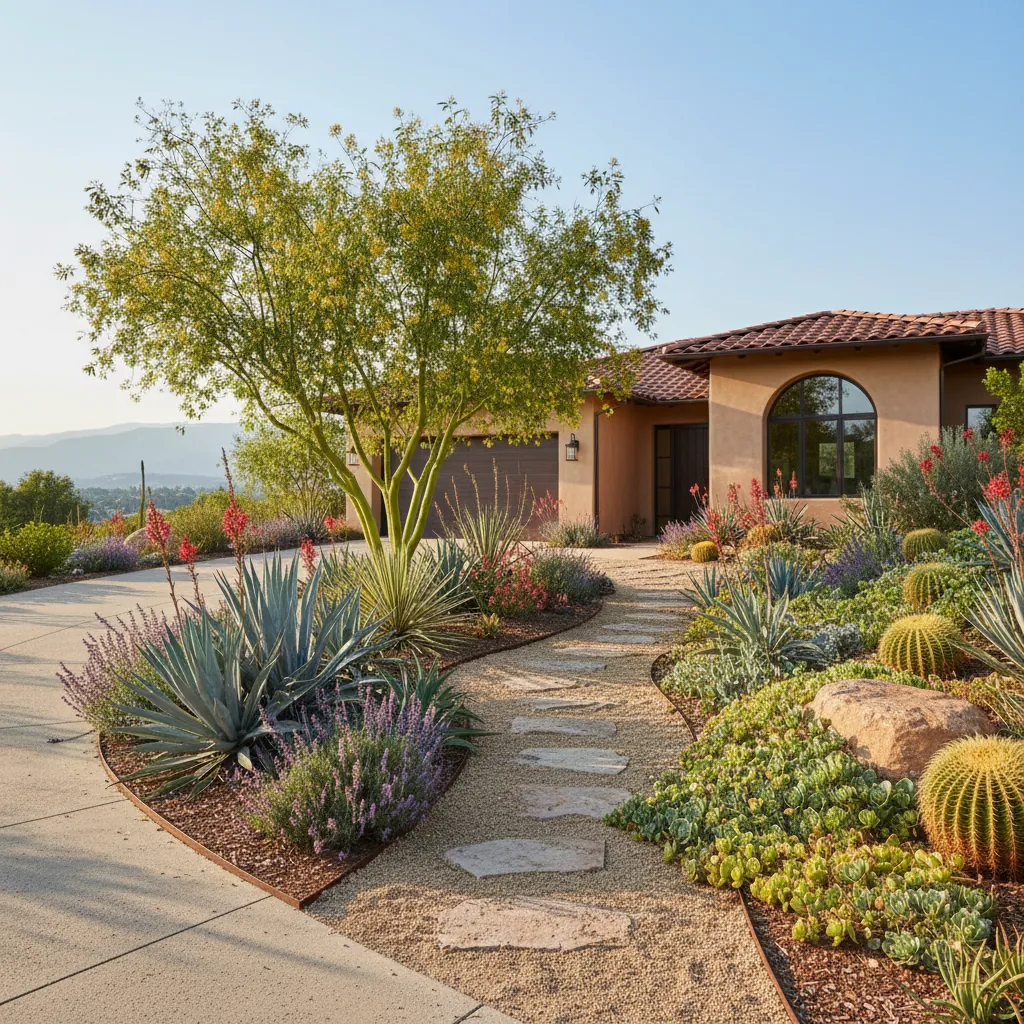
Transforming your Mar Vista outdoor space requires a delicate balance of coastal design and water-wise efficiency. From the breezy flats near Venice Boulevard to the sunny slopes overlooking Culver City, local landscaping professionals understand how to design gardens that thrive in our unique Westside microclimate. We connect you with experienced local contractors who can bring your vision of a beautiful, sustainable Southern California yard to life.
Mar Vista's unique positioning on a low hill and the surrounding coastal flats means yards deal with distinct alluvial and coastal terrace soils that can range from sandy to highly compacted.
Additionally, our cool, foggy marine-layer mornings followed by dry, mild afternoons require careful plant selection to prevent root rot while ensuring long-term drought tolerance. Navigating these specific soil conditions and microclimates is essential to building a landscape that doesn't just survive, but actively thrives.
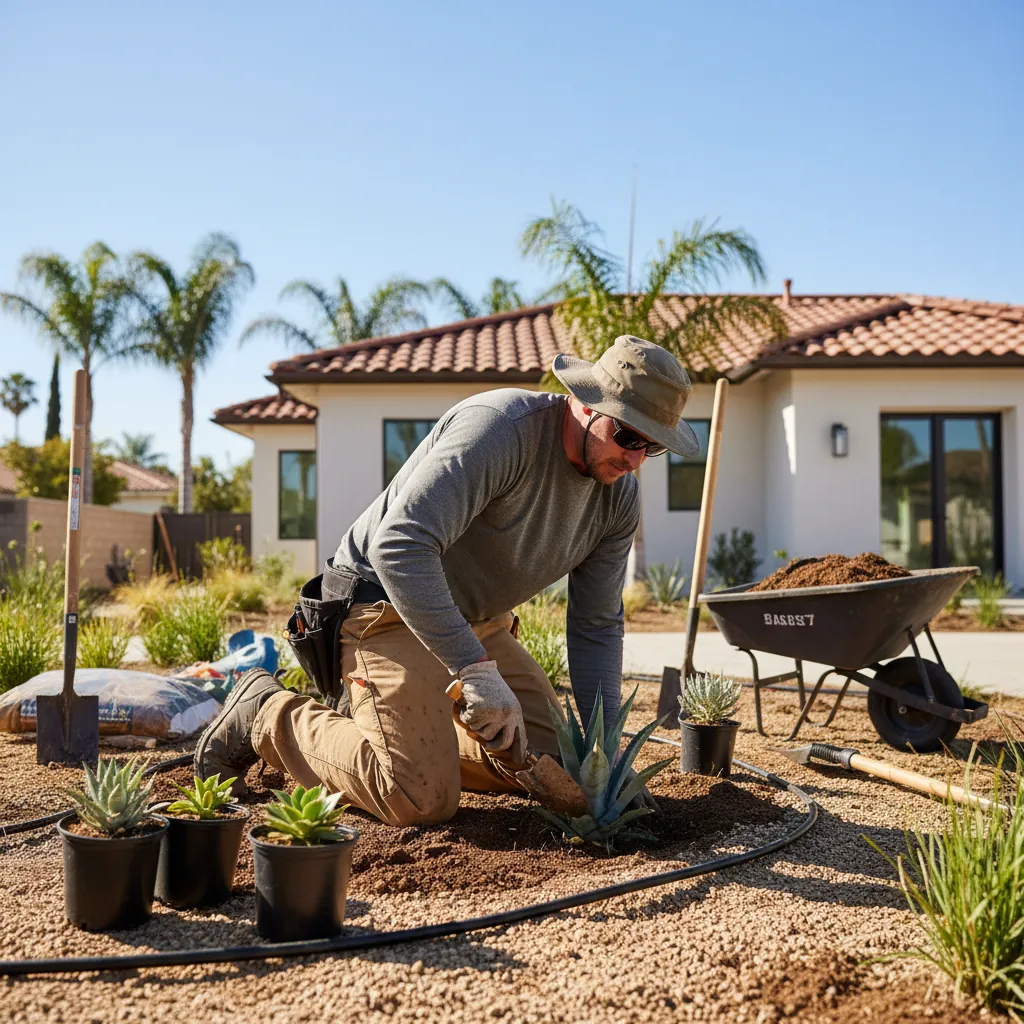
Cost depends on the square footage of grass being removed, soil preparation needs, and selection of native plants eligible for LADWP rebates.
Varies based on the number of zones, slope of the property near the Mar Vista hill, and complexity of smart controller setup.
Depends on materials used (e.g., poured concrete or interlocking pavers) and whether the slope requires grading to manage hillside runoff.
Typical market ranges for the Greater Los Angeles area, not a quote or a guarantee. The price of your job depends on its scope, so ask each pro for a written estimate before you decide. Bars share one scale, so you can compare project sizes.
Site analysis to evaluate soil drainage (alluvial vs. clay terrace) and sun/shade exposure under the marine layer
Irrigation auditing to design zone-specific drip or low-flow systems aligned with LADWP conservation rules
Drafting a native or drought-tolerant planting plan tailored to Westside microclimates
Soil amendment and grading to ensure proper drainage away from home foundations
Hardscape installation and planting, followed by heavy mulching to retain soil moisture
ContractorPro.Leads doesn't do the work itself. We pass your Mar Vista project to up to four local landscapers who take this kind of job, and you decide whether to hire any of them.
Whether your home is a classic mid-century modern near the Mar Vista Recreation Center or a renovated bungalow off Grand View Boulevard, the neighborhood's outdoor aesthetic is shifting toward sustainable beauty. As you drive down Venice Boulevard, you'll see a growing number of properties replacing thirsty turf with native coastal sage scrub and drought-tolerant succulents. Local landscape designers specialize in capturing this distinct Westside look while respecting the city's unique environmental guidelines.
Tell us what you have in mind. We'll pass it to up to four local pros, and they'll contact you to talk it through.
Basic softscaping, planting, and low-voltage lighting do not require permits. However, if you are building retaining walls over 3.5 feet, major decks, or extensive hardscaping, the Los Angeles Department of Building and Safety (LADBS) will require structural permits, which typically take 2 to 6 weeks for approval.
LADWP enforces strict watering day limits based on street addresses. Local landscape pros design systems utilizing drip irrigation and high-efficiency rotators, which are often exempt from some of the tightest overhead watering restrictions, ensuring your plants stay healthy year-round.
Plants that tolerate cool, humid mornings and mild, dry afternoons do best. Native species like Cleveland Sage, Toyon, and coastal succulents thrive here because they adapt naturally to our coastal terrace soils without requiring excessive water.
LADWP currently offers rebates per square foot for replacing grass with sustainable, low-water landscaping. Many Mar Vista homeowners find that these rebates offset a significant portion of their initial plant and irrigation installation costs.
Late fall and early winter are ideal for planting native species, allowing them to establish roots during our cooler, wetter months. Hardscaping and grading projects can be executed year-round thanks to our mild coastal climate.
