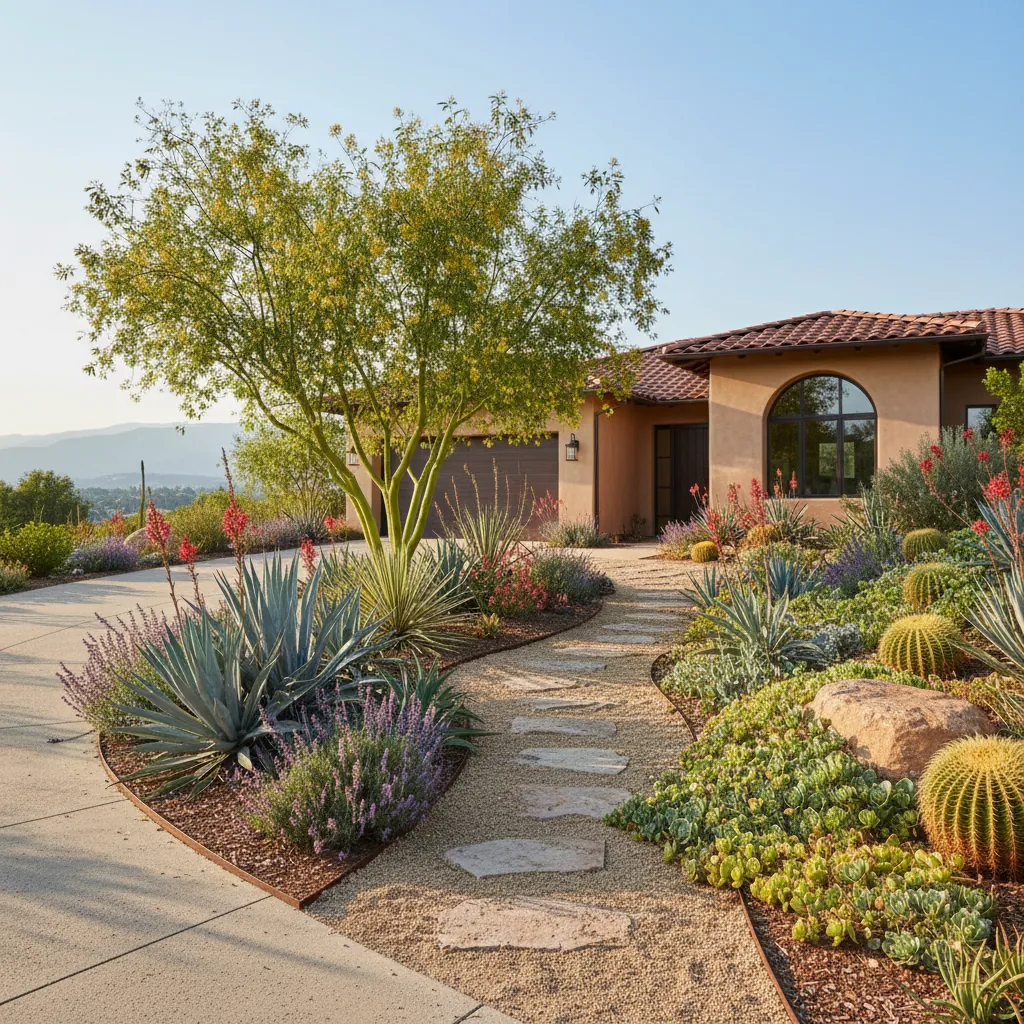
Typical Ladera Heights costs, permit steps and timelines are below. When you are ready, describe your project and up to four local landscapers serving Ladera Heights will contact you. You compare and decide.
Homeowners along the wide, quiet streets of Ladera Heights take immense pride in their expansive mid-century properties and sweeping basin views. Achieving a sustainable, beautiful yard here requires a deep understanding of our unique coastal-influenced breezes and distinct hillside topography. We connect you with independent landscaping professionals who specialize in maximizing these premier properties while ensuring their long-term structural integrity.
Designing landscapes on the hillside lots of Ladera Heights means working with complex Baldwin Hills slope soils that often require engineered retaining walls and formal soils reports.
Under the jurisdiction of the Unincorporated Los Angeles County — LA County Public Works, Building and Safety Division, any significant grading or structural hardscaping must be carefully permitted to prevent erosion and preserve slope stability. Additionally, choosing drought-tolerant plants that thrive in our mild, coastal-influenced climate is essential to maintaining a lush yard without violating local water conservation guidelines.
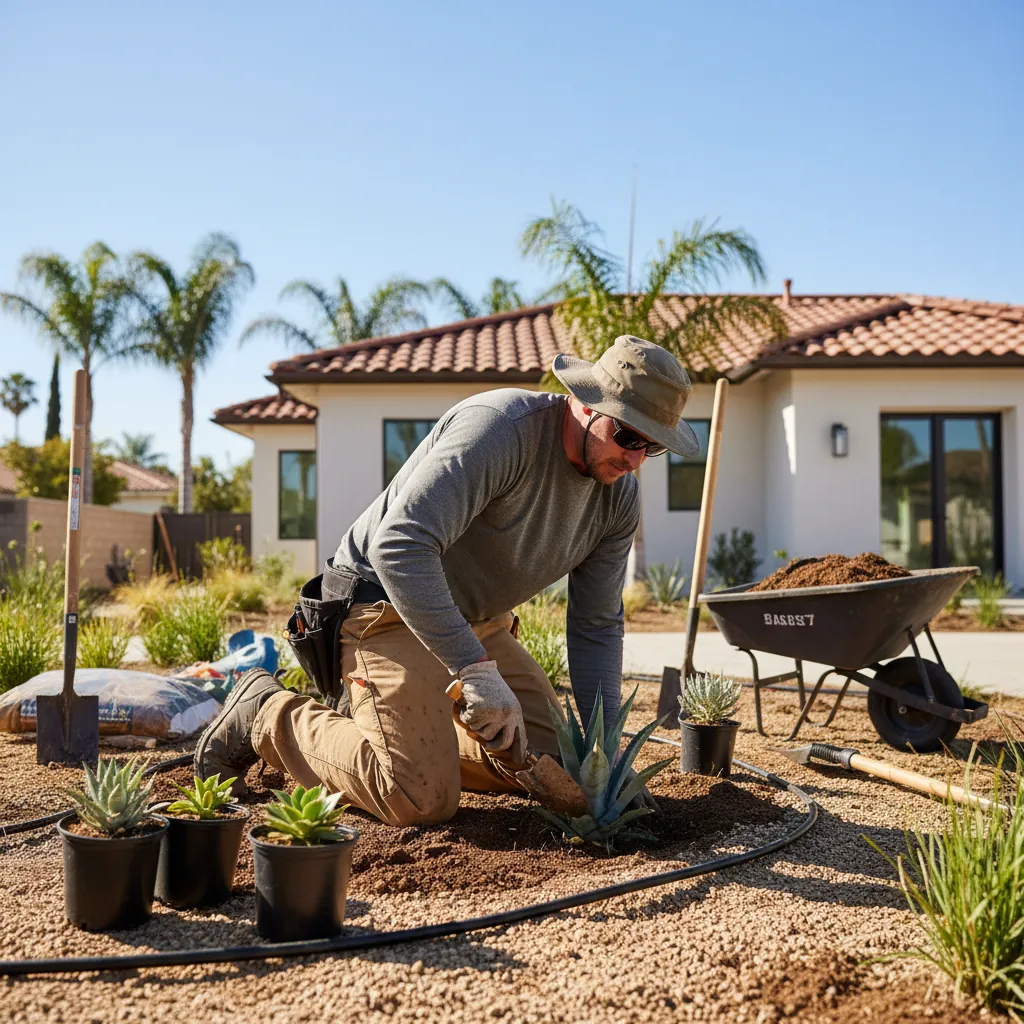
Costs depend on square footage and whether you are replacing turf with native plants, gravel pathways, and drip irrigation to qualify for local water utility rebates.
Highly variable based on Baldwin Hills soil conditions, slope angle, and the structural engineering plans required by LA County Public Works.
Ideal for flatter lots near La Tijera Blvd, focusing on soil enrichment, coastal-friendly shrubbery, and minor irrigation adjustments.
Typical market ranges for the Greater Los Angeles area, not a quote or a guarantee. The price of your job depends on its scope, so ask each pro for a written estimate before you decide. Bars share one scale, so you can compare project sizes.
Initial site consultation and Baldwin Hills slope analysis
Soil composition testing and structural assessment for retaining walls
Custom landscape architecture and 3D design drafting
Permit acquisition through LA County Public Works, Building and Safety Division
Grading, drainage installation, and hillside soil stabilization
Planting, low-voltage lighting, and smart drip-irrigation setup
ContractorPro.Leads doesn't do the work itself. We pass your Ladera Heights project to up to four local landscapers who take this kind of job, and you decide whether to hire any of them.
Stretching from the active corridors of La Tijera Blvd and Slauson Ave up into the quiet, elevated enclaves bordering the Kenneth Hahn State Recreation Area, Ladera Heights features a highly distinct geographic layout. The neighborhood's large, estate-sized lots and sloping terrain offer incredible design potential, but they demand localized knowledge of wind exposure, coastal fog, and erosion control unique to the 90056 ZIP area.
Tell us what you have in mind. We'll pass it to up to four local pros, and they'll contact you to talk it through.
For simple planting and softscaping, permits are not required. However, for structural elements like retaining walls, major grading, or swimming pools, the unincorporated status of Ladera Heights means you must secure permits from the LA County Public Works, Building and Safety Division.
Plan check timelines with LA County Public Works can vary. Simple retaining walls might take 4 to 8 weeks, while complex hillside designs requiring soils reports and structural engineering reviews can take 3 to 6 months.
Yes. Ladera Heights residents can access turf replacement rebates through Golden State Water or the Metropolitan Water District of Southern California, rewarding you per square foot of lawn replaced with drought-tolerant landscaping.
Because of our mild, coastal-influenced climate and occasional ocean breezes, Mediterranean and California native plants like White Sage, Ceanothus, and Agave thrive here beautifully without demanding heavy watering.
Experienced local contractors run soil tests to check stability and drainage. For hillside properties, they integrate deep-rooted plants with engineered drainage systems to ensure heavy winter rains do not cause soil slippage.
