In Circle C Ranch, where sprawling two-story limestone homes sit under relentless Hill Country sun, proper thermal protection makes or breaks your indoor comfort. Many original 1990s and 2000s builds in 78739 have settling, degraded insulation that drives up electric bills during triple-digit heatwaves. We connect you with local insulation specialists experienced in upgrading attic spaces, conditioned roof decks, and crawl spaces across Southwest Austin.
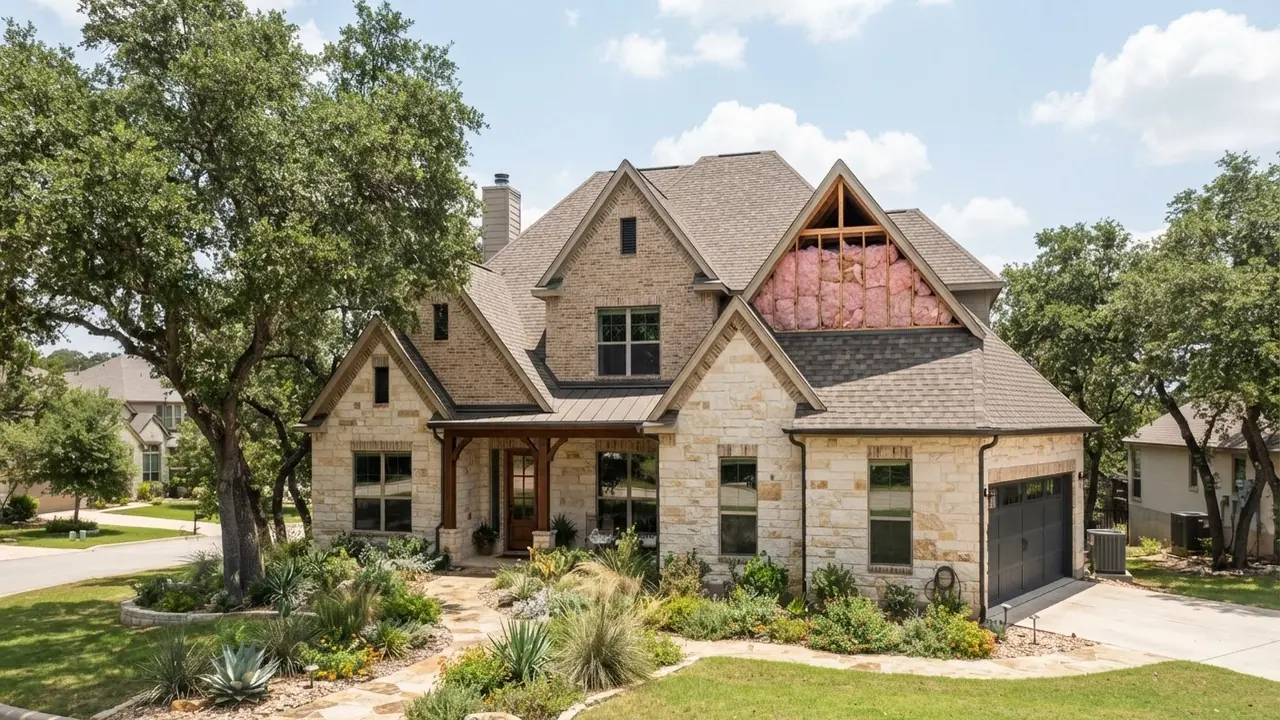
Circle C Ranch sits directly over the Edwards Aquifer recharge zone on rolling limestone terrain, meaning homes absorb intense radiant heat with zero subterranean cooling buffers.
Summer attic temperatures routinely surpass 140°F, putting extreme strain on HVAC systems trying to cool vaulted ceilings and second-floor bedrooms. Additionally, when sudden winter hard freezes sweep through Central Texas, under-insulated attics risk burst overhead water lines and massive interior thermal loss.
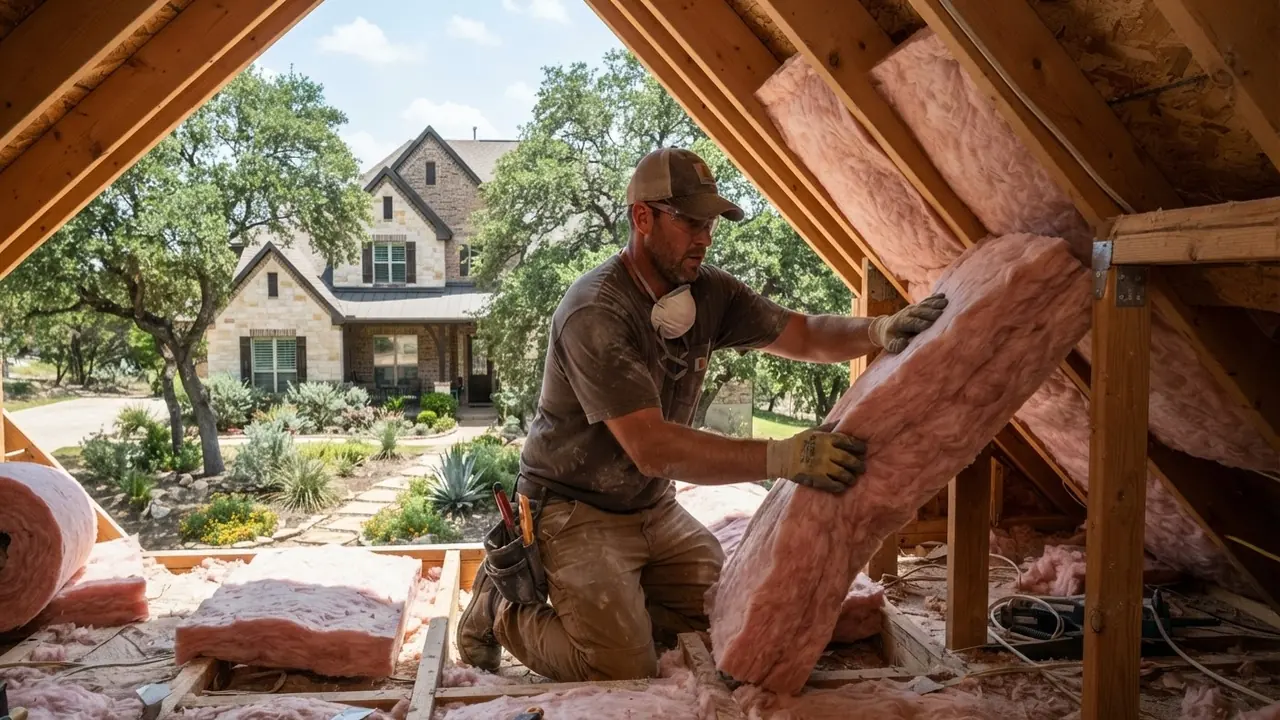
Common for 1990s-2000s Circle C attics needing added depth over existing clean material.
Required if current material has pest contamination, moisture damage, or severe compaction.
Creates a conditioned attic space, bringing ductwork inside the thermal envelope for maximum efficiency.
Addresses electrical and plumbing penetrations before new blown insulation is applied.
Typical market ranges for the Greater Austin area — not a quote or guarantee. Your actual price depends on scope; compare free quotes from local pros.
Comprehensive on-site attic and thermal envelope assessment
Removal and sanitary disposal of damaged, settled, or contaminated material
Precision air sealing of top plates, recessed lighting, and duct penetrations
Installation of rafter baffles to ensure continuous soffit ventilation
Application of blown-in fiberglass, cellulose, or open/closed-cell spray foam
ContractorPro.Leads is a matching service and doesn't do the work itself. We pass your Circle C Ranch request to a few local companies that take this kind of job, and you decide whether to hire any of them.
From the quiet cul-de-sacs near the Lady Bird Johnson Wildflower Center to properties bordering Circle C Metropolitan Park and the Veloway, homes in this master-planned community feature expansive rooflines that demand robust thermal boundaries. Local contractors understand how Southwest Austin's microclimate affects heat transfer across these multi-story brick and Texas limestone floor plans.
Ready to lower your cooling costs and balance your home's temperature? Connect with insulation professionals in Circle C Ranch today for a comprehensive attic evaluation and estimate.
Standard retrofit insulation like blown-in attic fiberglass or cellulose generally does not require a standalone permit from the City of Austin Development Services Department (DSD). However, if your insulation project involves major structural changes, electrical alterations, or converting to an unvented attic assembly using spray foam, your contractor will verify local building code compliance and coordinate any required DSD inspections.
Yes. Most Circle C Ranch homes are served by Austin Energy, which frequently offers substantial rebates through their Home Performance with ENERGY STAR® program. To qualify, work must typically be completed by a participating contractor and meet specific baseline R-value improvements.
Both have distinct advantages. Blown-in fiberglass or cellulose across the attic floor is cost-effective and provides excellent thermal resistance for standard ventilated attics. Open-cell spray foam applied directly to the underside of the roof deck seals the entire attic, bringing attic-located HVAC units and ductwork into a semi-conditioned space, which dramatically cuts summer heat gain in two-story homes.
Circle C's thin soil over limestone provides little natural thermal buffering, exposing homes to intense ambient radiant heat. Extreme attic temperatures (up to 150°F in August) combined with high spring humidity can degrade low-density loose-fill over 15 to 20 years, causing it to settle and lose up to 30% of its initial R-value.
Late autumn through early spring is ideal. Working in attics before peak summer temperatures arrive ensures faster installation times and prepares your home to withstand both winter hard freezes and the initial wave of 90°F+ spring days.
