Living in Zilker means enjoying canopy-shaded streets near Barton Creek while coping with the relentless strain Central Texas summers place on your air conditioning. Whether you own an updated 1950s bungalow or a contemporary multi-level build on rolling limestone, proper thermal barrier performance is critical for interior comfort. We connect 78704 homeowners with experienced, independent local insulation contractors equipped to handle South Austin's unique architectural and microclimatic demands.
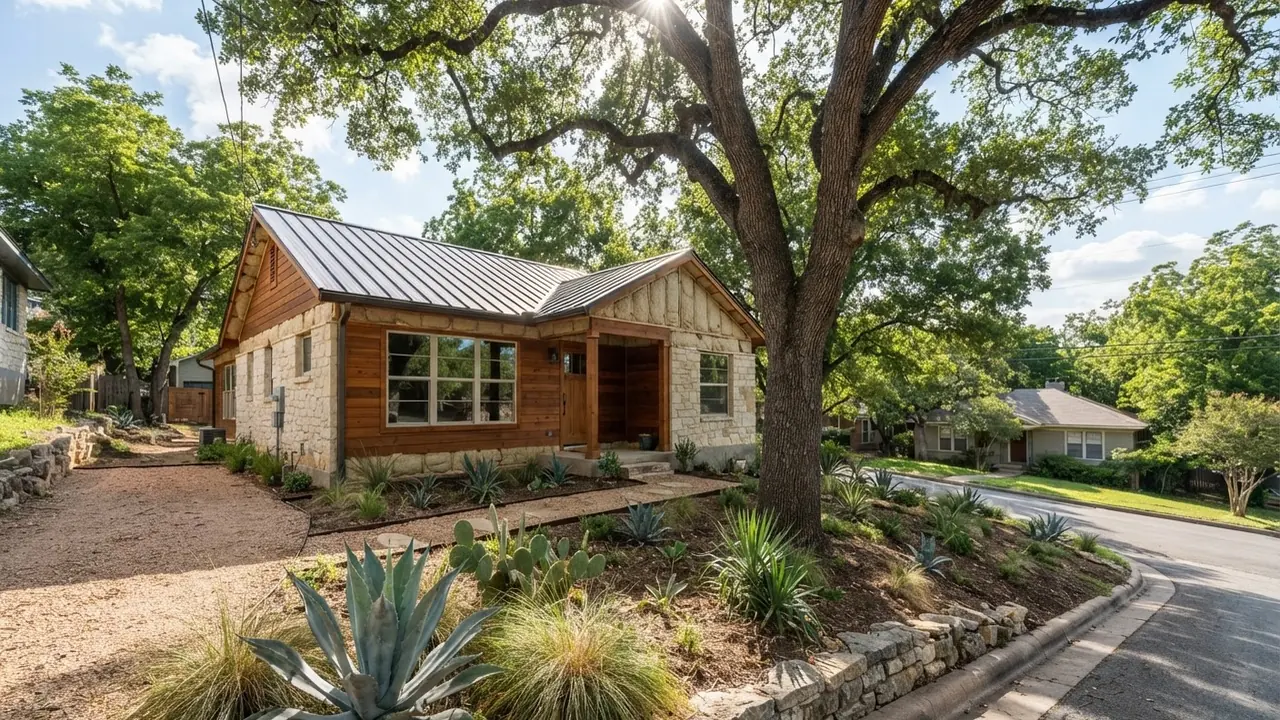
Zilker's topography rises over Barton Creek on rolling terrain of heavy clay over shallow limestone, creating microclimates with elevated relative humidity alongside prolonged 100°F summer heat waves.
Many classic pier-and-beam homes in the neighborhood suffer from ground-level moisture migration during spring flash floods, while unconditioned attics can easily surpass 140°F, radiating heat downward through ceiling drywall. Without targeted air sealing and regionally appropriate R-values, HVAC systems run continuously, risking moisture condensation, attic duct sweating, and inadequate thermal defense during winter hard freezes.
Typical for 1,200 to 2,200 sq. ft. Zilker homes; pricing depends on existing material depth, attic access points, and necessary air-sealing prep.
Common for modern builds and finished attic spaces in 78704; variance reflects open-cell vs. closed-cell choice and roof pitch complexity.
Standard for historic creek-side pier-and-beam homes; cost is driven by ground clearance, moisture mitigation, and square footage.
Involves commercial vacuum extraction of degraded batts or loose-fill before new installation; prices vary by attic layout and debris level.
Typical market ranges for the Greater Austin area — not a quote or guarantee. Your actual price depends on scope; compare free quotes from local pros.
Detailed thermal boundary inspection and infrared attic heat-gain assessment
Safe removal and disposal of old, compressed, or rodent-contaminated materials
Comprehensive air-sealing of ceiling electrical chases, top plates, and can lights
Installation of rafter baffles to preserve soffit ventilation in vented roof structures
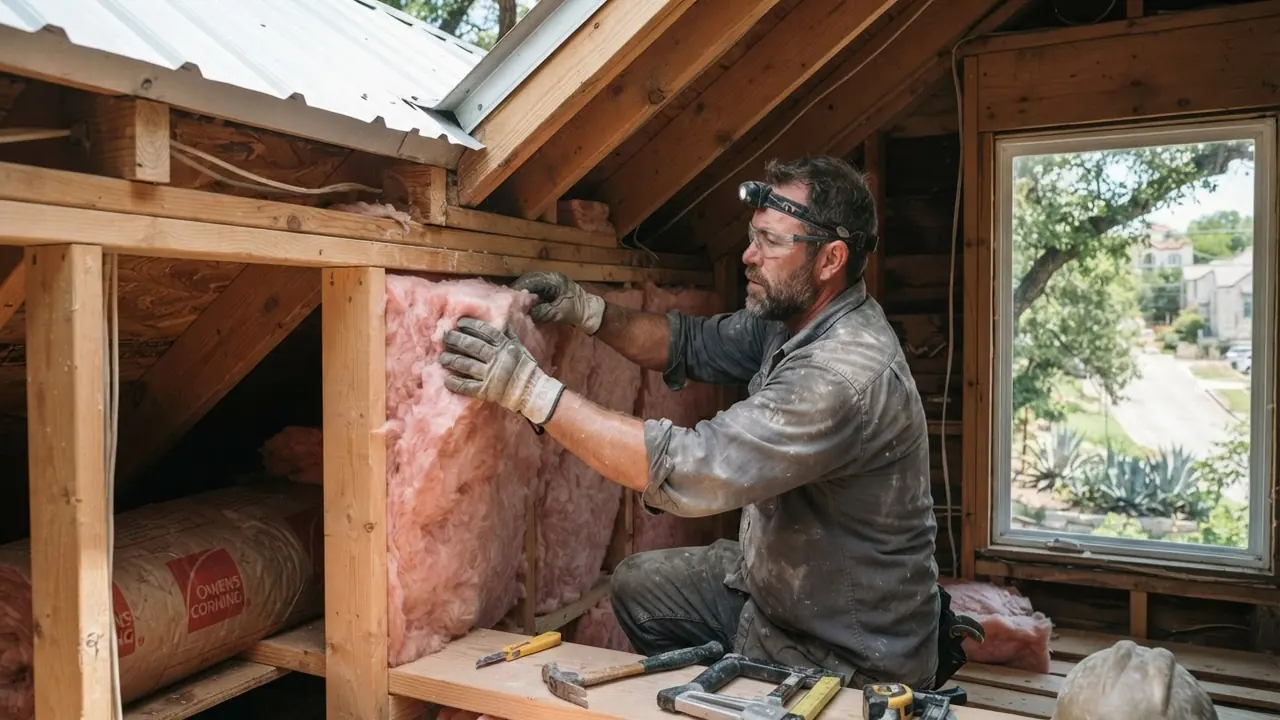
Precision installation of blown-in fiberglass, cellulose, or spray foam to target R-value
ContractorPro.Leads is a matching service and doesn't do the work itself. We pass your Zilker request to a few local companies that take this kind of job, and you decide whether to hire any of them.
From the quiet, tree-lined residential blocks south of Barton Springs Road to ridge-line properties overlooking the Barton Creek Greenbelt and Zilker Park, housing styles here span decades of Austin architectural history. Original mid-century ranch-style homes sit alongside modern flat-roofed infill construction, each presenting distinct thermal envelope requirements. Independent contractors in our network understand how proximity to the creek affects attic vapor drive and how to insulate both historic framing and high-performance custom envelopes across 78704.
Connect with insulation contractors in Zilker today to schedule your on-site assessment and upgrade your home's thermal comfort.
Standard blown-in attic top-offs and direct insulation replacements do not generally require a permit from the City of Austin Development Services Dept. (DSD). However, if your project involves converting a vented attic into an unvented conditioned space with spray foam, altering roof framing, or moving mechanical lines, DSD permits and inspections may be necessary. Connected local pros can advise on code requirements.
Yes. Austin Energy offers rebates for qualifying weatherization and attic insulation upgrades that bring older homes up to current R-38 or higher energy standards. Independent contractors familiar with 78704 can help ensure the install meets program guidelines and assist with the required documentation.
Both options serve distinct roles. Blown-in fiberglass or cellulose is an economical, highly effective choice for standard vented attics in traditional homes. Spray foam applied directly to the underside of the roof deck is ideal for mid-century homes with vaulted ceilings, limited attic clearance, or mechanical ducts housed in the roof cavity, creating a sealed, semi-conditioned zone.
The combination of creek-valley humidity and dense clay over limestone means ground moisture stays trapped under pier-and-beam foundations. Traditional fiberglass batts under floor joists often absorb this moisture, leading to sagging and mold. Closed-cell spray foam or heavy encapsulated ground vapor barriers prevent moisture intrusion and protect your hardwood floors.
For Austin's humid subtropical climate (Zone 2A), building codes and local energy efficiency programs recommend an attic insulation value of at least R-38, with R-49 offering superior performance for homes with significant afternoon sun exposure.
