Located just west of downtown Austin, Clarksville is celebrated for its historic craftsman bungalows, Victorian cottages, and modern architectural additions. Many of these classic homes struggle with thermal leakage, resulting in high utility bills during intense Central Texas summers. We connect Clarksville homeowners with experienced, independent insulation contractors who understand the unique structural demands of local properties.
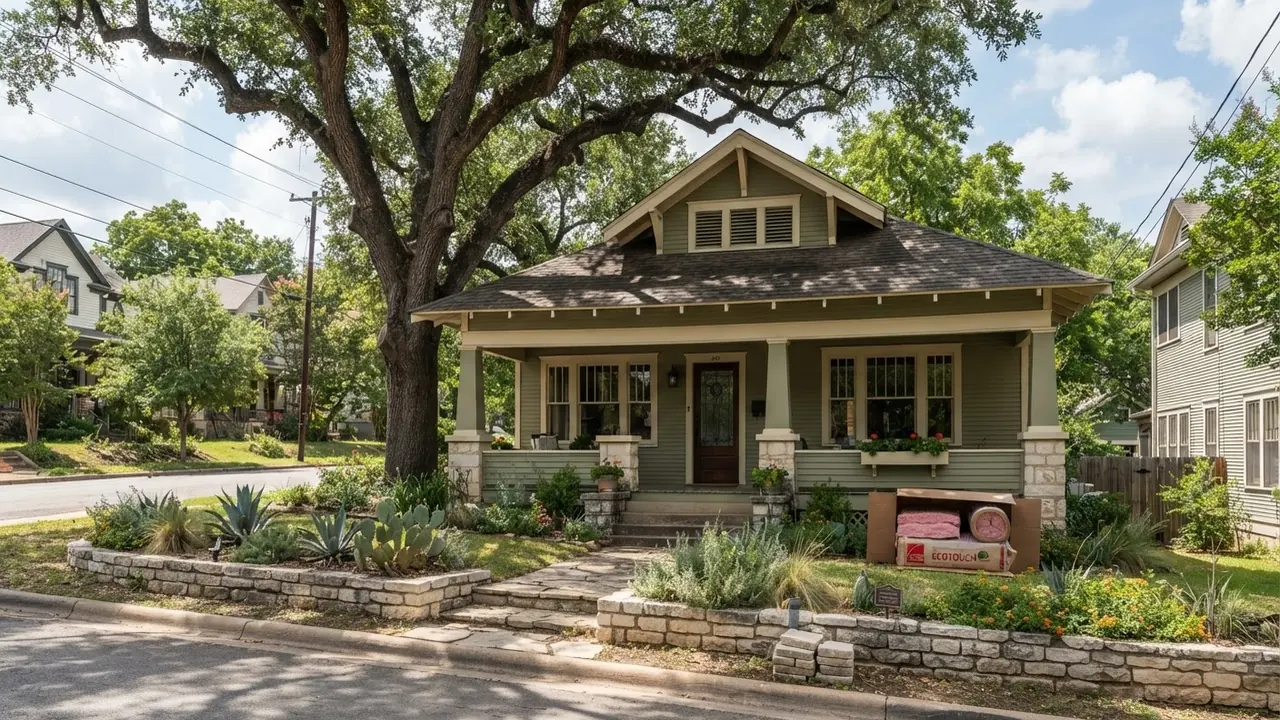
Clarksville's gently rolling west-central terrain sits over expansive clay and limestone, subjecting properties to significant ground movement and shifting foundations over time.
In a humid subtropical climate that swings from 100°F summer heatwaves to sharp winter freezes, historic pier-and-beam structures frequently experience drafty subfloors and rising humidity. Retrofitting insulation in this neighborhood requires careful moisture management and breathable barrier assemblies to prevent rot while respecting historic building envelopes and City of Austin energy codes.
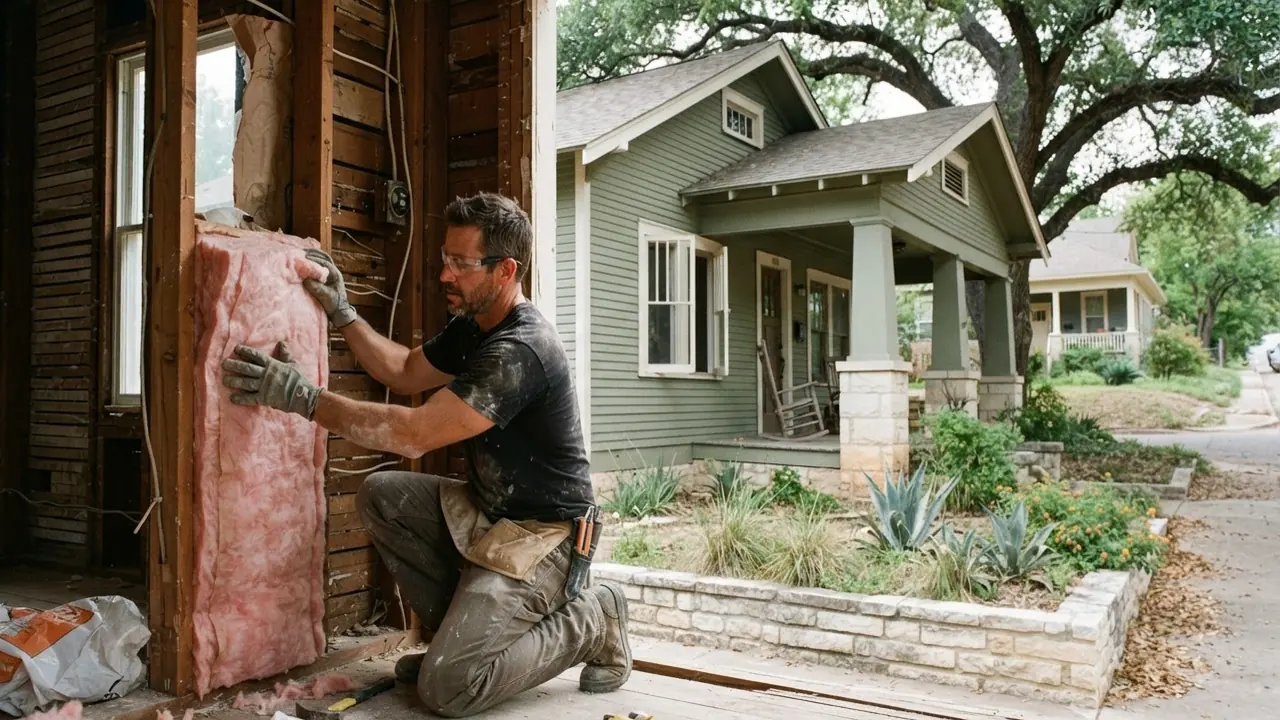
Pricing depends on attic square footage, existing insulation removal needs, and desired R-value (typically R-38 to R-49 for Austin).
Covers open-cell or closed-cell applications; higher investment reflecting superior air sealing and radiant heat barrier performance.
Varies by crawlspace accessibility, ground moisture barrier installation, and chosen insulation material.
Recommended for historic homes to extract rodent-damaged or dusty legacy material and seal attic air leaks prior to re-insulating.
Typical market ranges for the Greater Austin area — not a quote or guarantee. Your actual price depends on scope; compare free quotes from local pros.
Comprehensive thermal assessment of attic, walls, and crawlspace
Inspection of existing insulation for settling, gaps, and moisture damage
Air sealing of attic bypasses, top plates, and plumbing penetrations
Safe removal and disposal of contaminated or degraded legacy insulation
Precision installation of blown-in cellulose, fiberglass, or spray foam to target R-values
ContractorPro.Leads is a matching service and doesn't do the work itself. We pass your Clarksville request to a few local companies that take this kind of job, and you decide whether to hire any of them.
Bordered by the MoPac corridor and walking trails near Pease Park, the Clarksville Historic District features a distinct architectural landscape where century-old heritage oaks shade preserved wood-frame cottages and contemporary custom builds.
Connect with insulation professionals in Clarksville today and get free estimates for your home energy upgrade.
Standard attic top-offs and blown-in insulation replacements typically do not require building permits. However, if your insulation project involves altering roof decking, structural changes, or exterior modifications within the Clarksville Historic District, work may require review from the City of Austin Development Services Department (DSD) and the Historic Landmark Commission.
Blown-in cellulose and rockwool batts are popular for attic floors because they provide dense thermal resistance without trapping moisture in historic rafters. For crawlspaces, closed-cell spray foam or rigid foam boards paired with a continuous ground vapor barrier help insulate drafty floorboards while resisting Central Texas humidity.
Yes. Austin Energy offers rebates for qualifying attic insulation upgrades that bring the home up to R-38 or higher, provided the work is completed by an participating contractor in their energy efficiency program.
In summer, proper attic insulation blocks radiant heat exceeding 140°F from penetrating living spaces, easing the load on your AC. In winter, it retains indoor heat to prevent rapid interior temperature drops during sudden hard freezes.
Most residential insulation projects in Clarksville take one to two days, including the vacuum removal of old insulation, air sealing of ceiling penetrations, and installation of the new material.
