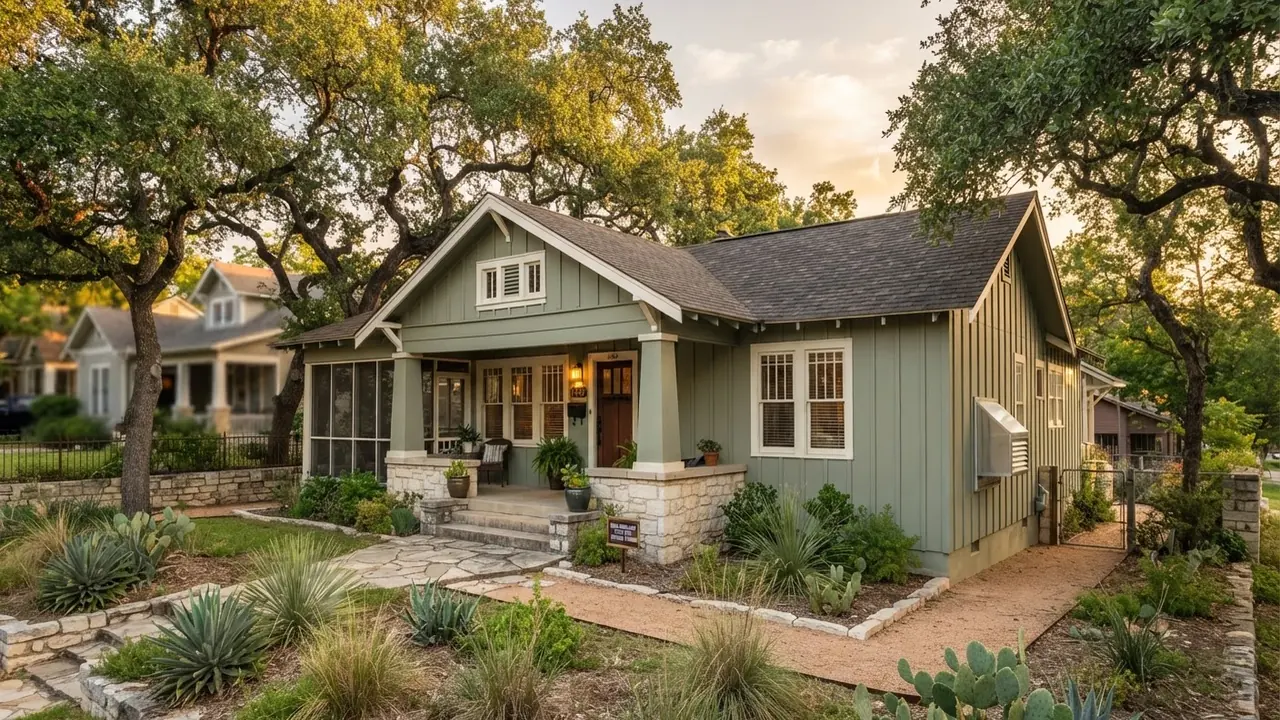
In historic Clarksville, charming turn-of-the-century bungalows and custom modern renovations often feature long, intricate dryer exhaust runs. When humid subtropical summers peak near 100°F and laundry demands climb, lint buildup in your dryer ducting drives up electric bills and creates serious fire risks. We connect 78703 homeowners with independent dryer vent cleaning specialists who understand the architectural details of West Austin properties.
Measure baseline airflow velocity and backpressure at the exterior exhaust hood
Inspect the entire duct line, including transition hoses and crawlspace/attic routing
Dislodge and vacuum lint using high-torque rotary brushes and HEPA extraction
Clean and vacuum the internal lint trap housing and secondary booster fan
Clear exterior damper flappers, check pest guards, and verify weather-tight caulking
Perform post-service airflow testing to confirm unrestricted exhaust velocity
Typical for single-story runs under 15 feet terminating directly through an exterior side wall.
Common in multi-story homes or vintage cottages with vertical exhaust exits near Pease Park.
Applies when expansive clay movement has separated or crushed subfloor duct joints.
Covers cleaning secondary inline fans or installing district-compliant exterior vent hoods.
Typical market ranges for the Greater Austin area — not a quote or guarantee. Your actual price depends on scope; compare free quotes from local pros.
Clarksville's gently rolling terrain rests on expansive Blackland clay over limestone, causing older pier-and-beam foundations to shift subtly across wet springs and hot, dry summers.
This ground movement can pinch, sag, or disconnect rigid dryer ducts routed through tight crawlspaces. When Austin's heavy outdoor humidity meets air-conditioned interior walls, lint quickly solidifies into a damp, dense blockage inside the line, trapping hazardous heat inside historic wood framing.
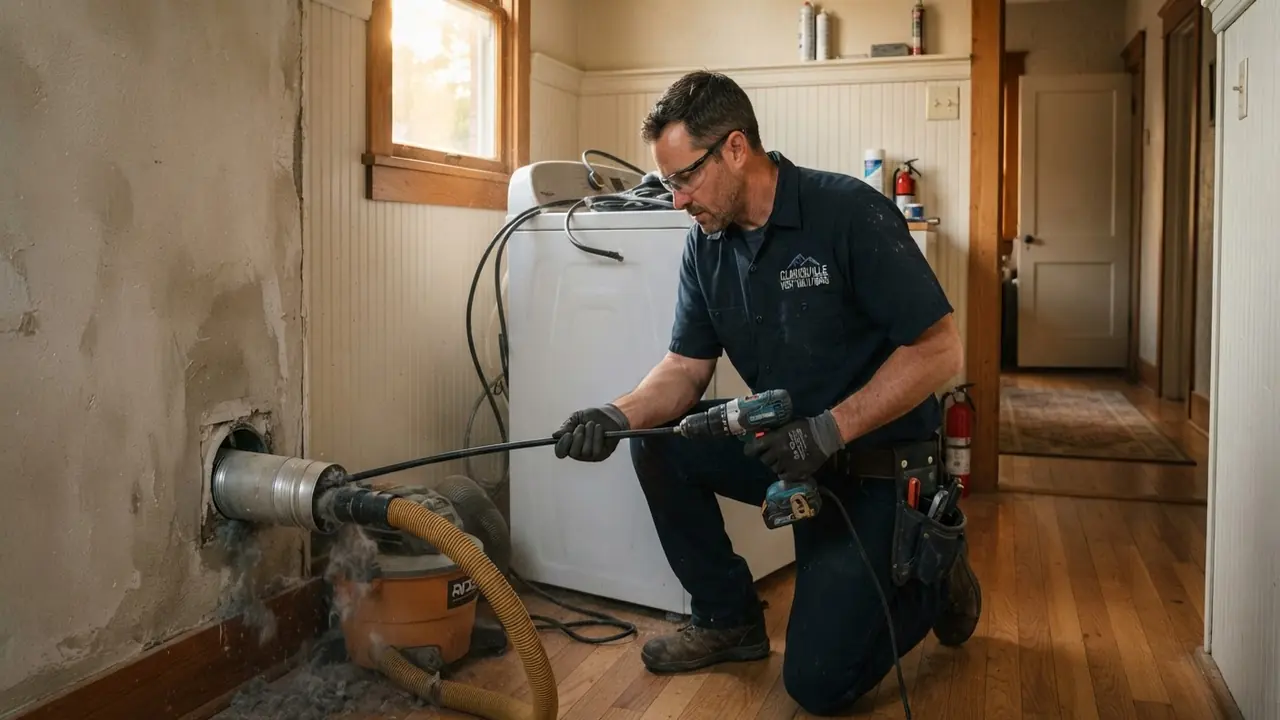
ContractorPro.Leads is a matching service and doesn't do the work itself. We pass your Clarksville request to a few local companies that take this kind of job, and you decide whether to hire any of them.
Situated just east of MoPac and bordering the scenic greenbelt of Pease Park, the Clarksville Historic District blends preserved 1870s folk cottages with contemporary architectural infill. Many vintage homes have retrofitted indoor laundry closets where vents travel through attics or crawlspaces, requiring careful handling to safeguard historic materials and maintain home safety.
Connect with experienced dryer duct cleaning professionals in Clarksville today to keep your home safe, efficient, and running smoothly.
Most households in 78703 should schedule dryer duct cleaning annually. However, if your laundry is located in a converted interior closet with a duct run exceeding 20 feet, or if you run frequent heavy laundry loads during humid Austin summers, scheduling service every 6 to 9 months is ideal.
Routine cleaning and direct in-kind repairs do not require permits. If you are rerouting an exhaust line or cutting new exterior penetrations in the Clarksville Historic District, work may require a permit from the City of Austin Development Services Department (DSD) and review by the Historic Landmark Commission.
Humid subtropical air enters the vent pipe from outside, especially during spring storms and hot summers. When humid outdoor air meets moist lint inside conditioned spaces, the lint turns into a thick, sticky paste that clings to duct walls rather than blowing freely outdoors.
Costs depend on total duct length, access difficulty (steep metal roofs vs. ground exits), crawlspace accessibility beneath historic pier-and-beam foundations, and whether old flexible vinyl ducting must be upgraded to rigid metal for safety.
Yes. Restricted exhaust airflow traps moisture in the drum, forcing clothes to take two or three cycles to dry. This dramatically increases electricity or gas usage, directly elevating your Austin Energy bills during peak billing tiers.
