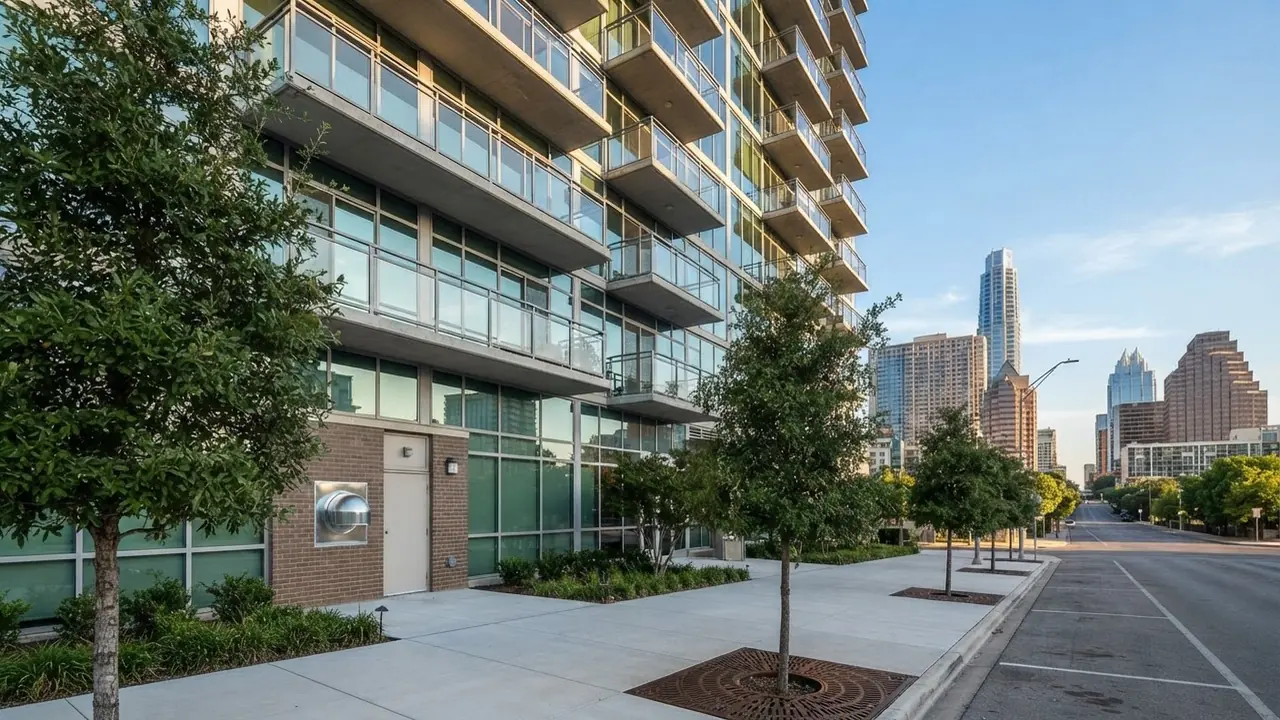
In the dense urban core of Downtown Austin (78701), clothes dryer vent systems often navigate long, complex duct runs through concrete high-rises, historic brick conversions, and modern residential lofts. We connect you with experienced, independent local pros equipped to handle specialized multi-story ventilation systems. Keep your home safe and energy-efficient whether your property overlooks Lady Bird Lake or sits moments from the lively 6th Street district.
Initial airflow velocity and static line backpressure measurement
Visual inspection of appliance transition hose, connections, and exterior/balcony damper flaps
Disconnection and cleaning of the internal dryer blower housing and lint trap trapway
Mechanical rotary brush scrub coupled with continuous high-volume HEPA negative air extraction
Inspection and lint clearing of secondary booster fans (common in 78701 multi-family buildings)
Applies to ground-floor residences, townhomes, or units with direct, short exterior wall penetrations.
Reflects the specialized equipment needed for long vertical or horizontal runs typical in Downtown Austin high-rises.
Covers mechanical clearing of inline booster fans and motor housings installed along long duct runs.
Covers replacing crushed semi-rigid hose with rigid aluminum pipe compliant with City of Austin DSD codes.
Typical market ranges for the Greater Austin area — not a quote or guarantee. Your actual price depends on scope; compare free quotes from local pros.
Downtown Austin rests on the flat Colorado River terraces where intense triple-digit summer heat collides with persistent moisture rising from Lady Bird Lake.
This humid subtropical microclimate causes heavy condensation inside interior dryer exhausts, turning dry lint into dense, sticky paste that adheres stubbornly to duct walls. In the urban core's multi-family mid-rises and lofts, exhaust lines frequently exceed standard residential lengths, creating severe airflow resistance that increases fire hazards and strains appliance blowers if not regularly cleared by professionals.
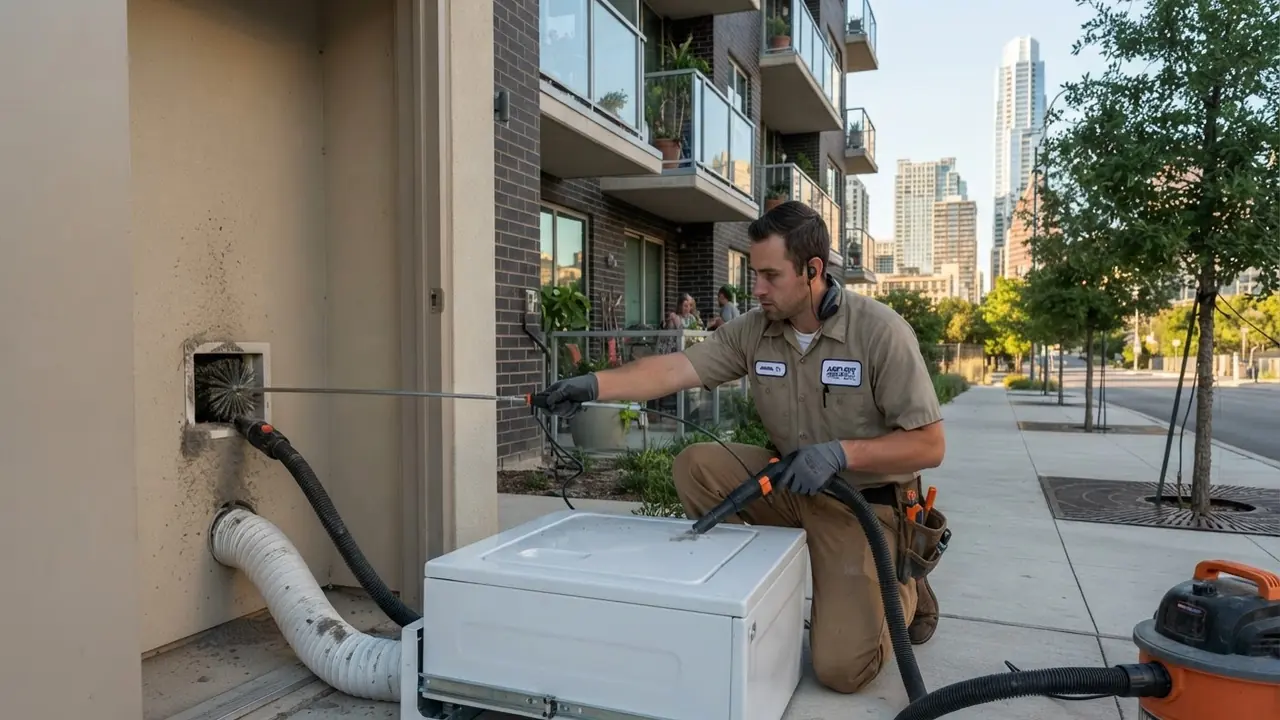
ContractorPro.Leads is a matching service and doesn't do the work itself. We pass your Downtown request to a few local companies that take this kind of job, and you decide whether to hire any of them.
From high-rise residential towers along Colorado and Lavaca streets to renovated historic properties near the Texas State Capitol, Downtown Austin presents unique structural demands. Residential spaces perched above the 6th Street entertainment corridor and along the hike-and-bike trails of Lady Bird Lake require technicians who understand complex duct configurations, shared ventilation chases, and the strict safety standards of downtown property managers.
Ensure your home remains safe and efficient. Connect with local dryer vent cleaning contractors in Downtown Austin today to request your service quote!
Pricing in the 78701 area generally depends on duct length, accessibility, and whether your home is a detached structure, a townhome, or an upper-floor condo. High-rise units with long horizontal runs through concrete chases or secondary inline booster fans typically fall on the higher end of local service ranges due to the specialized rotary equipment required.
Routine cleaning and basic maintenance do not require municipal permits. However, if your clothes dryer vent cleaning reveals damaged piping that requires a full line replacement or new exterior wall penetrations, the work may require a residential mechanical permit issued through the City of Austin Development Services Dept. (DSD). Independent pros can advise you on compliance.
Local contractors generally recommend cleaning your vent at least once every 12 months. In Downtown lofts and condos where duct runs are longer and horizontal, or for households running daily laundry loads in humid summer conditions, scheduling service every 6 to 9 months helps avoid dangerous lint buildup and elevated electric usage.
Yes. When lint clogs the exhaust line, drying cycles often double in duration, pushing heated, humid air into your living space and forcing your air conditioner to work harder during Austin's 100°F heatwaves. Restoring proper airflow ensures single-cycle drying and reduces strain on your electrical system.
Key warning signs include clothes remaining damp or unusually hot after a standard cycle, a persistent burning or musty odor in the laundry closet, exterior exhaust flappers failing to open when the dryer runs, and lint accumulating behind the appliance or around the door seal.
