Hyde Park's historic Victorian homes and Craftsman bungalows offer unmistakable charm, but their aged building envelopes frequently struggle against brutal 100°F Central Texas summers. We connect homeowners across the 78751 area with local insulation pros who specialize in historic homes and modern thermal performance. Whether you need dense-pack blown-in cellulose, subfloor crawlspace treatment, or high-performance spray foam, find contractors ready to upgrade your home.
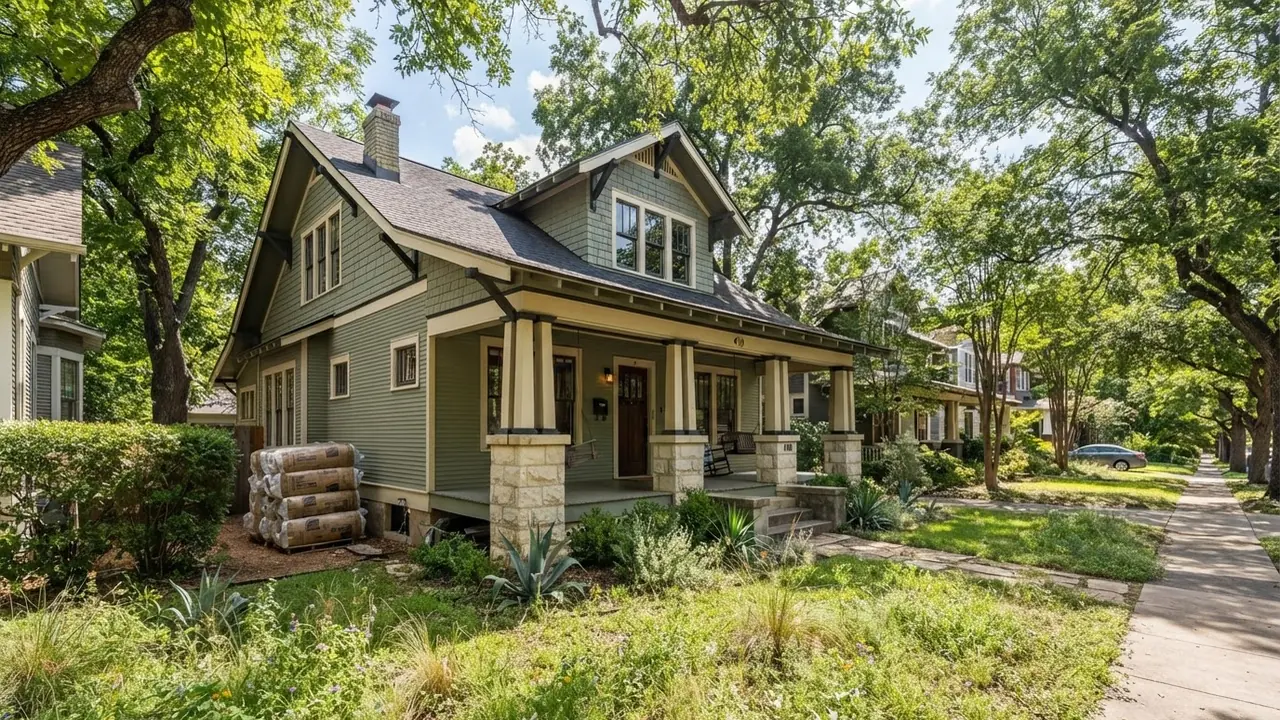
Hyde Park's expansive blackland clay causes natural foundation settling over time, opening hidden structural drafts along balloon-framed walls, baseboards, and attic top plates.
During humid subtropical summers with prolonged triple-digit heat, outdated attic insulation allows radiant heat to bake living spaces, while sudden winter hard freezes expose uninsulated subfloors on pier-and-beam foundations. Navigating these retrofits in the Hyde Park Historic District requires contractors who understand City of Austin DSD requirements and Historic Landmark Commission sensitivities so energy efficiency is achieved without compromising vintage architectural elements.
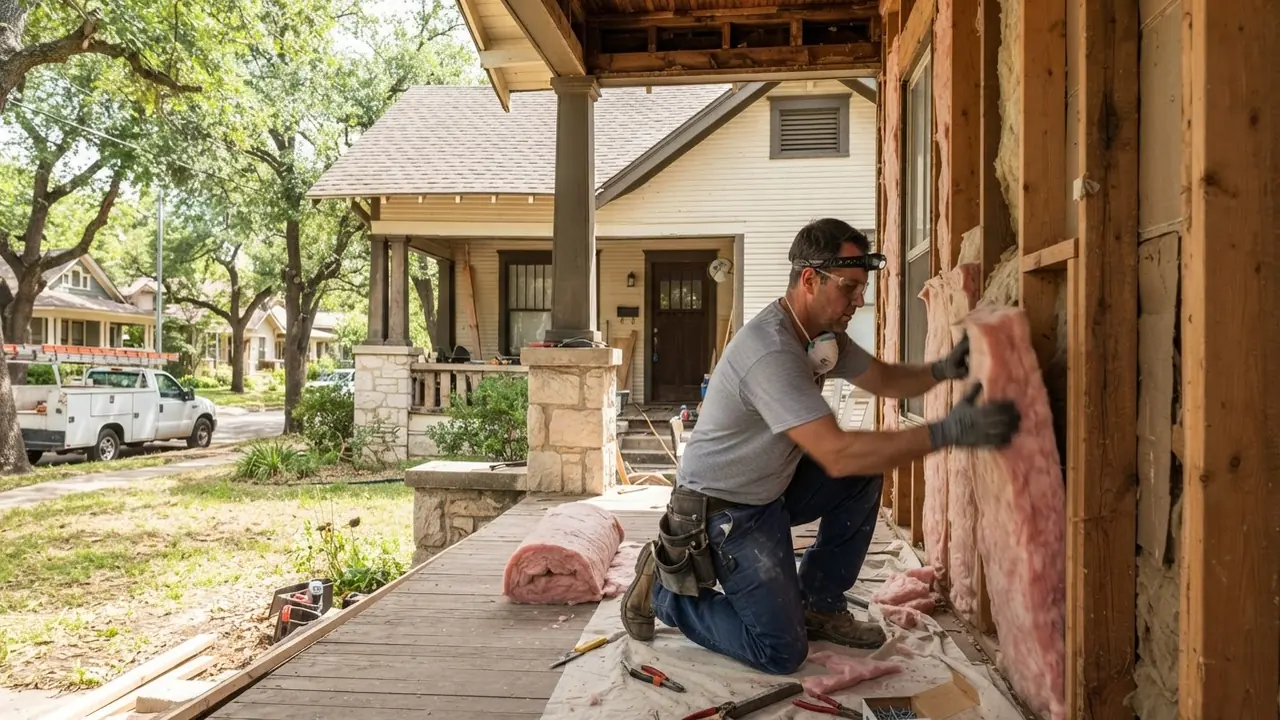
Typical for standard Hyde Park bungalow footprints; costs vary by target R-value and required air sealing.
Priced by board footage and foam type (open vs. closed cell); higher for complex rooflines and unvented attic conversions.
Common in historic 78751 homes; pricing depends on crawlspace clearance and vapor barrier installation.
Required when vintage batts or blown insulation are degraded, rodent-damaged, or dusty.
Typical market ranges for the Greater Austin area — not a quote or guarantee. Your actual price depends on scope; compare free quotes from local pros.
Complete an attic and crawlspace thermal boundary assessment
Inspect framing, wiring, and ductwork for safety clearances and air leaks
Extract damaged, pest-contaminated, or compacted existing insulation
Air seal top plates, wiring penetrations, and recessed lighting fixtures
Install blown-in cellulose, fiberglass, or spray foam to target R-values (R-38 to R-49)
Perform post-installation air density checks and provide utility rebate paperwork
ContractorPro.Leads is a matching service and doesn't do the work itself. We pass your Hyde Park request to a few local companies that take this kind of job, and you decide whether to hire any of them.
Bordering the University of Texas and centered around neighborhood staples like Shipe Park and the historic Avenue G corridor, Hyde Park features a dense architectural tapestry of 1890s Queen Annes, 1920s bungalows, and mid-century renovations. Local insulation contractors understand how to navigate tight attic accesses, knob-and-tube electrical clearances, and unvented roof deck conversions unique to this historic north-central Austin enclave.
Protect your historic Hyde Park home from extreme Texas heat and rising energy bills. Connect with local insulation pros in 78751 today for free, no-obligation estimates!
Standard interior insulation work—such as blowing cellulose into an attic or insulating a crawlspace—does not alter the exterior historic fabric and generally does not require Historic Landmark Commission review. However, if your project involves structural modifications, new exterior roof vents, or envelope changes regulated by the City of Austin DSD, proper permits and historic district reviews must be confirmed.
Yes, Austin Energy frequently offers residential rebates for qualifying attic insulation upgrades that bring thermal resistance up to R-38 or higher. To qualify, work must generally be completed by a participating contractor who conducts pre- and post-installation assessments.
Blown-in cellulose or fiberglass placed over an air-sealed attic floor is the most cost-effective and non-invasive option for historic homes with vented attics. Spray foam applied directly to the underside of the roof deck creates a conditioned, unvented attic, which is ideal if your HVAC ducts run through a very hot, tight attic space.
In Hyde Park, key pricing factors include crawlspace accessibility on pier-and-beam foundations, attic clearance around steep roof pitches, the need to extract decades of old or contaminated material, and the extent of air sealing required along balloon-framed wall cavities.
Late autumn through early spring is ideal. Attic temperatures are manageable for installers, allowing for faster and safer work, and your home will be fully insulated before extreme summer heat waves hit north-central Austin.
