Crestview's classic mid-century ranches and stylish modern infills face punishing triple-digit Texas summers and unpredictable winter cold snaps. Inadequate attic and wall insulation forces HVAC systems to work overtime, driving up electric bills across the 78757 area. We connect you with experienced, independent insulation contractors who understand how to properly seal and insulate homes throughout Crestview.
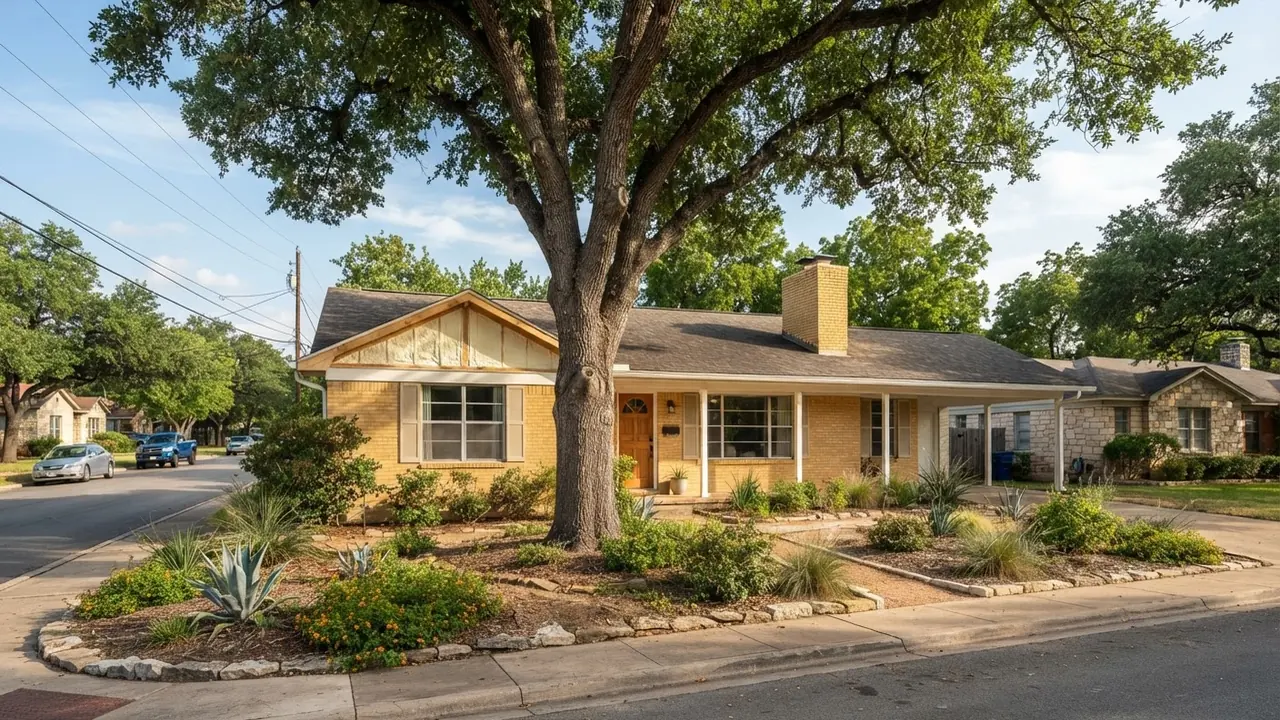
Originally developed in the 1950s on flat north-central Austin terrain, many Crestview homes were built with minimal ceiling insulation and unsealed attic bypasses.
During peak summer heat waves exceeding 100°F, attic temperatures regularly climb above 140°F, radiating heat directly into living spaces below. Additionally, Austin's expansive clay soils cause subtle seasonal foundation movement that opens hidden framing gaps, allowing hot, humid air to infiltrate in summer and exposing unconditioned attic plumbing to freeze damage during sudden Central Texas winter storms.
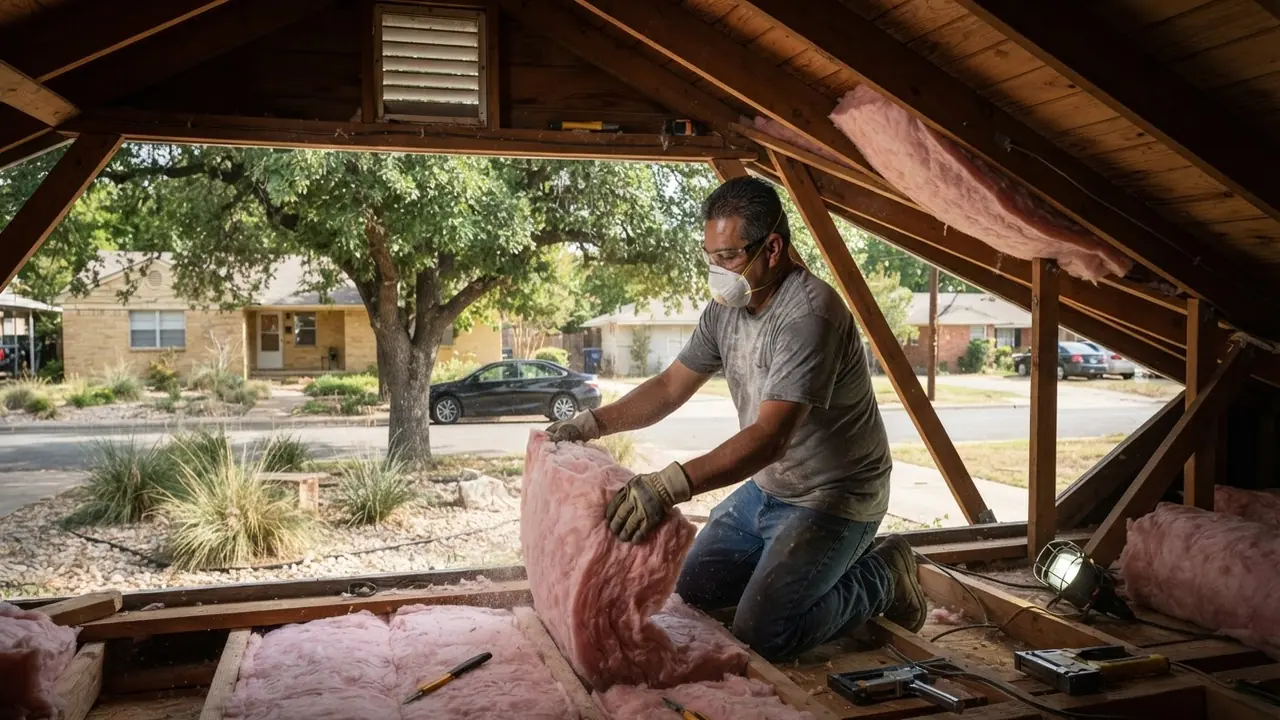
Typical for standard 1,100 to 1,600 sq. ft. Crestview ranches upgrading from depleted R-11/R-19 levels.
Covers commercial vacuum extraction of degraded batts, rodent mess, or aged blown fiberglass.
Frequently used to encapsulate Crestview attics with ductwork, transforming hot attics into conditioned zones.
Addresses framing gaps, can light covers, and top plates common in mid-century construction.
Typical market ranges for the Greater Austin area — not a quote or guarantee. Your actual price depends on scope; compare free quotes from local pros.
Comprehensive on-site attic and thermal envelope assessment
Identification and sealing of air leaks, bypasses, and top-plate penetrations
Safe removal and disposal of contaminated or degraded legacy insulation
Installation of baffles and soffit ventilation dams to ensure continuous airflow
Application of blown-in fiberglass, cellulose, or spray foam to target R-value
Post-installation quality check and cleanup of work areas
ContractorPro.Leads is a matching service and doesn't do the work itself. We pass your Crestview request to a few local companies that take this kind of job, and you decide whether to hire any of them.
Whether your home is an original pier-and-beam cottage near Brentwood Park, a mid-century brick ranch off the Burnet Road corridor, or a contemporary two-story rebuild near Crestview Station, insulation requirements vary widely. Local pros know how to navigate low-slope rooflines, historic framing, and modern energy codes specific to north-central Austin neighborhoods.
Ready to lower your energy bills and keep your home comfortable year-round? Connect with skilled insulation contractors in Crestview today for a free project estimate.
Standard insulation retrofits and top-ups generally do not require a separate building permit from the City of Austin Development Services Dept. (DSD). However, if your project involves substantial structural alterations, framing modifications, or major mechanical upgrades, DSD permits may apply. Independent contractors can advise on code compliance under the Austin Energy Conservation Code.
For Austin's Climate Zone 2A, local energy codes and efficiency experts recommend bringing attic insulation up to R-38 or R-49. Most original 1950s homes in 78757 have compacted insulation rated at R-13 or less, making a modern upgrade immediately noticeable on electric bills.
Yes. Austin Energy offers rebates for qualifying residential customers who upgrade attic insulation through participating, contractors. The work typically requires bringing current insulation levels from below R-22 up to R-38, combined with documented air sealing.
Blown-in cellulose or fiberglass is typically the most budget-friendly choice if your HVAC ducts are already well-insulated or located inside the home. Spray foam applied to the underside of the roof deck is ideal if your air handler and ducts run through a shallow, hot attic, keeping duct temperatures significantly cooler in July and August.
During winter storms, high-performance attic insulation keeps indoor heat from escaping through the roof deck and maintains more stable attic ambient temperatures. Combined with thorough air sealing, this thermal barrier dramatically reduces the chances of frozen water pipes running through ceiling joists.
