Set along the rolling terraces of south-central Austin, Travis Heights features a treasured mix of 1920s historic craftsman bungalows, mid-century cottages, and modern architectural rebuilds. Keeping these diverse homes comfortable through triple-digit summer heatwaves and sudden winter freezes requires targeted thermal efficiency. We connect you with experienced insulation contractors in 78704 who understand the unique structural and climate demands of the neighborhood.
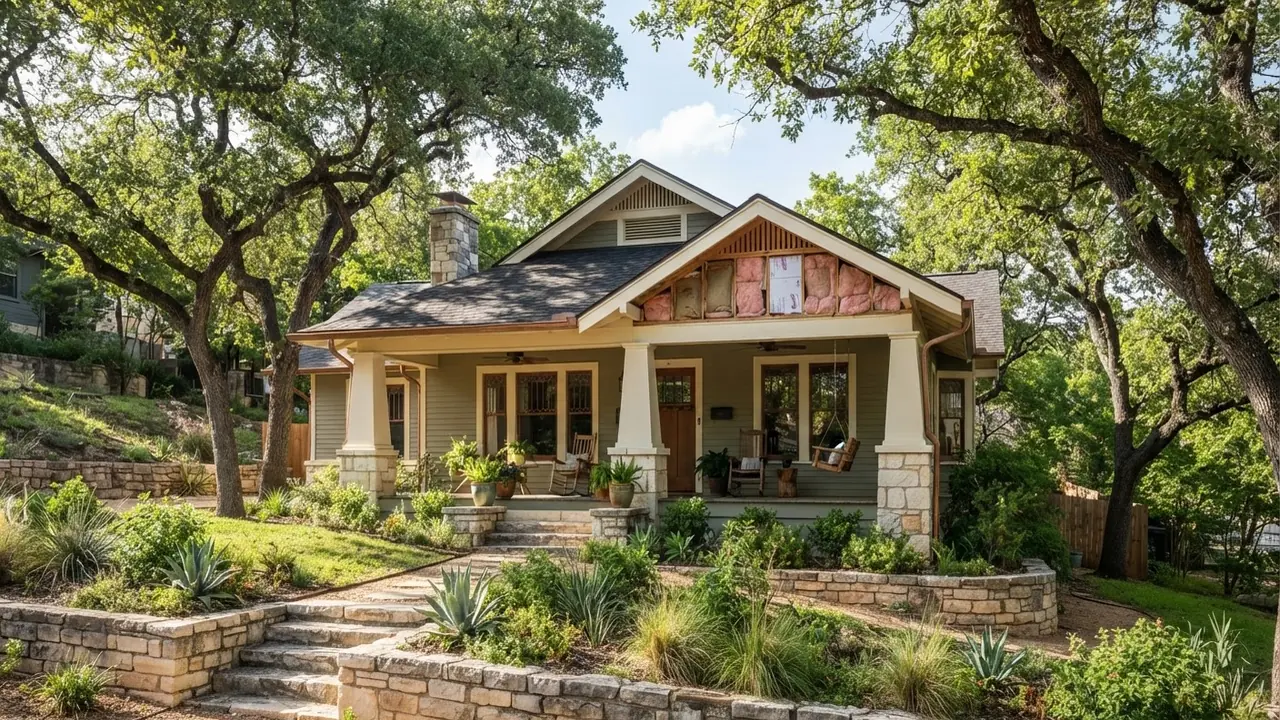
In Travis Heights, shifting expansive clay over limestone causes subtle foundation and framing movement over decades, widening hidden air leaks in attics and crawlspaces.
When humid subtropical air and 100°F summer heat press down on unconditioned rooflines, undersized or degraded attic insulation allows extreme heat transfer, overburdening air conditioning systems. Proper air sealing paired with advanced spray foam or dense-pack blown-in insulation is essential to stop moisture infiltration and stabilize indoor temperatures without harming historic building envelopes.
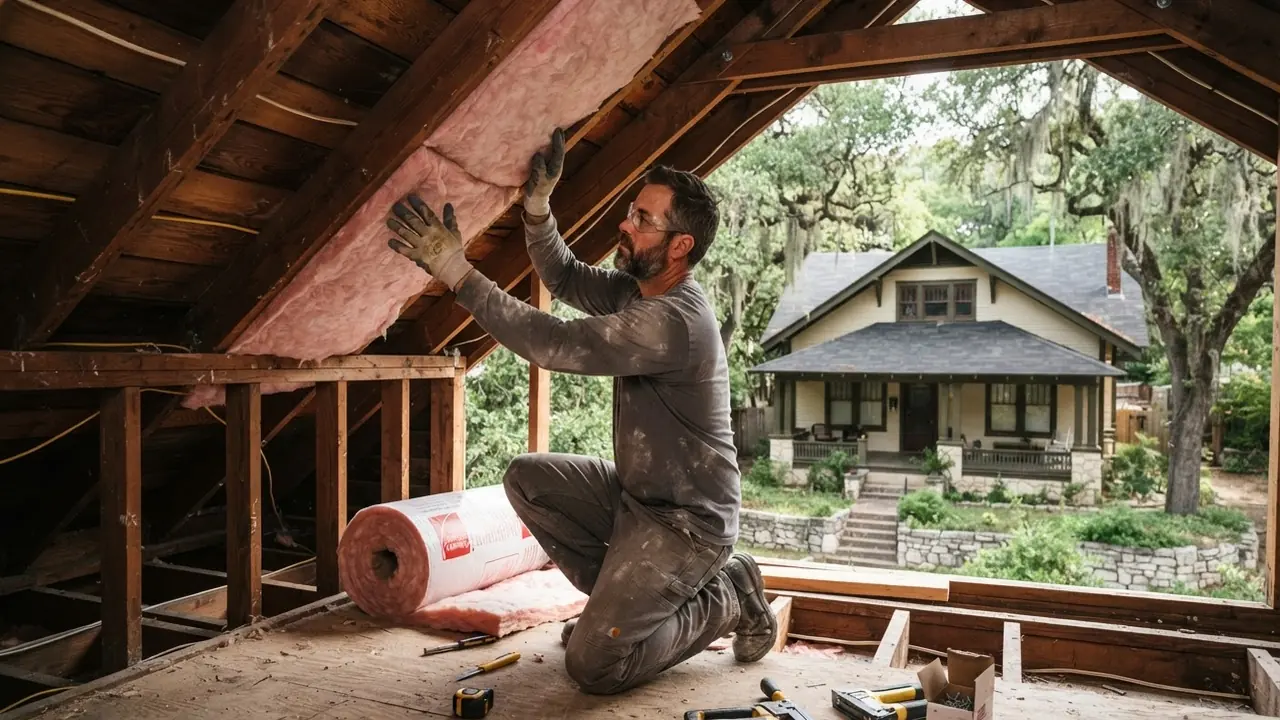
Pricing depends on attic square footage, accessibility through steep vintage rooflines, and depth required to meet regional efficiency targets.
Commonly selected to create a semi-conditioned attic space, protecting HVAC ductwork from extreme heat in older 78704 homes.
Ideal for pier-and-beam foundations along rolling hillside lots to block moisture migration from damp soil.
Recommended when replacing contaminated, rodent-damaged, or moisture-laden legacy fiberglass batts.
Typical market ranges for the Greater Austin area — not a quote or guarantee. Your actual price depends on scope; compare free quotes from local pros.
In-depth thermal imaging and existing insulation inspection
Safe removal and disposal of old, compressed, or pest-damaged material
Precision air-sealing of top plates, plumbing chases, and lighting fixtures
Installation of attic baffles and soffit ventilation retainers
Application of high-performance blown-in insulation or spray foam
Final depth check and documentation for Austin Energy rebate compliance
ContractorPro.Leads is a matching service and doesn't do the work itself. We pass your Travis Heights request to a few local companies that take this kind of job, and you decide whether to hire any of them.
Whether your home sits on the shaded, sloping streets near Stacy Park, overlooks Lady Bird Lake, or borders the vibrant SoCo corridor, local properties require tailored insulation solutions that respect vintage construction while maximizing modern energy savings.
Connect with Travis Heights insulation contractors today to get free project estimates and protect your home from extreme Texas weather.
Routine attic insulation top-offs and standard retrofits generally do not require a permit. However, if your insulation project involves structural framing modifications, new mechanical ventilation, or is part of a larger remodel, the City of Austin Development Services Dept. (DSD) may require permits. Independent local pros can advise on specific compliance requirements.
For vintage bungalows and mid-century homes, combining air sealing with blown-in cellulose or open-cell spray foam along the roof deck delivers superior thermal control. Pier-and-beam crawlspaces benefit significantly from closed-cell spray foam, which serves as both an insulator and a vapor retarder against soil moisture.
Yes, Austin Energy provides rebates for qualifying residential attic insulation upgrades when bringing homes up to current recommended R-values (typically R-38 or higher). Independent contractors in our network can help verify program eligibility and provide the required documentation.
Spring and late autumn are ideal for insulation replacement in Travis Heights. Attic temperatures routinely exceed 140°F during summer months, making installations slower and more complex. Upgrading before May ensures your home is prepared for prolonged heatwaves.
Key cost factors include the existing level of attic debris, steep roof pitches common in craftsman architecture, tight clearance in crawlspaces on terraced terrain, and the chosen material (blown-in vs. spray foam).
