In South Congress, where cherished mid-century bungalows stand alongside sleek modern architectural infills, home thermal efficiency is put to the test year-round. Triple-digit summer heat and sudden winter freezes drive up electric bills rapidly when building envelopes fail. We connect 78704 homeowners with independent, insulation contractors equipped to handle everything from attic top-offs to high-performance spray foam installations.
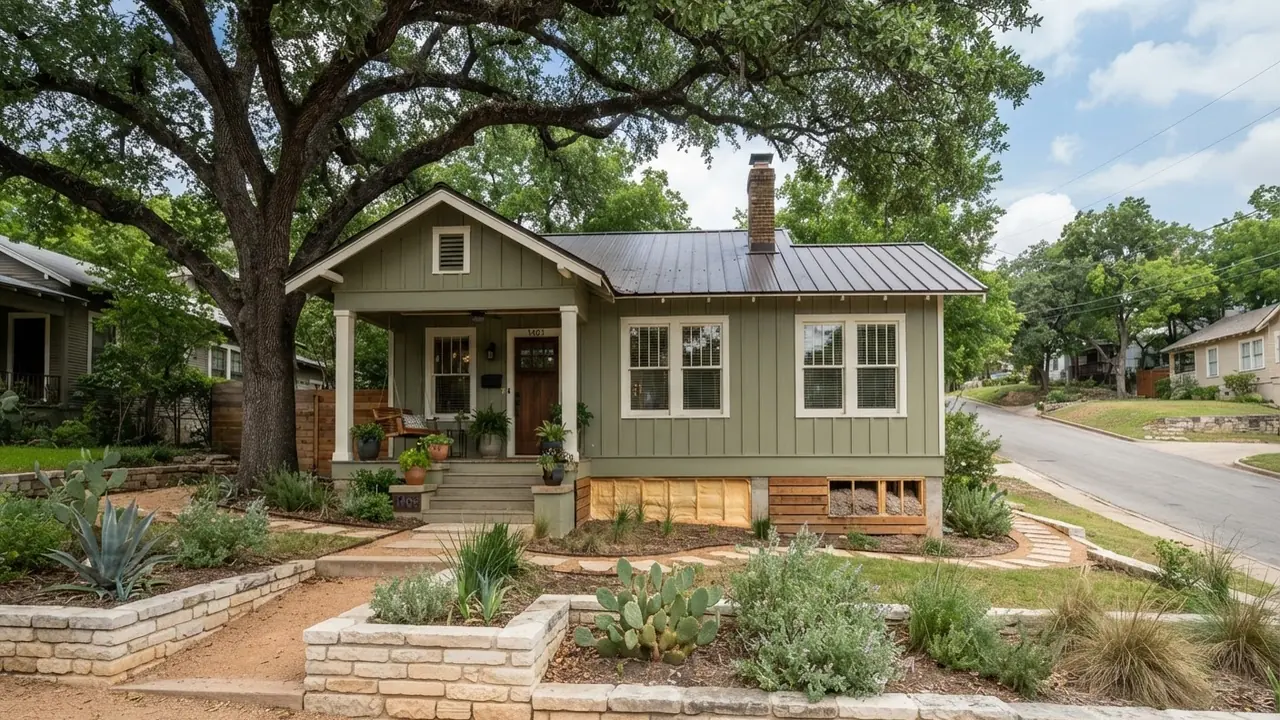
South Congress sits on gently rolling terrain underlain by expansive clay over limestone, which causes frequent minor foundation shifting that cracks drywall joints and pulls attic seal points apart.
When humid subtropical summers push temperatures toward 100°F, unconditioned attics across 78704 regularly exceed 140°F, radiating radiant heat downward through ceilings. Additionally, sudden winter freezes demand robust thermal protection around ceiling joists and attic piping to prevent burst pipes—a vulnerability exacerbated by drafts in historic pier-and-beam cottages.
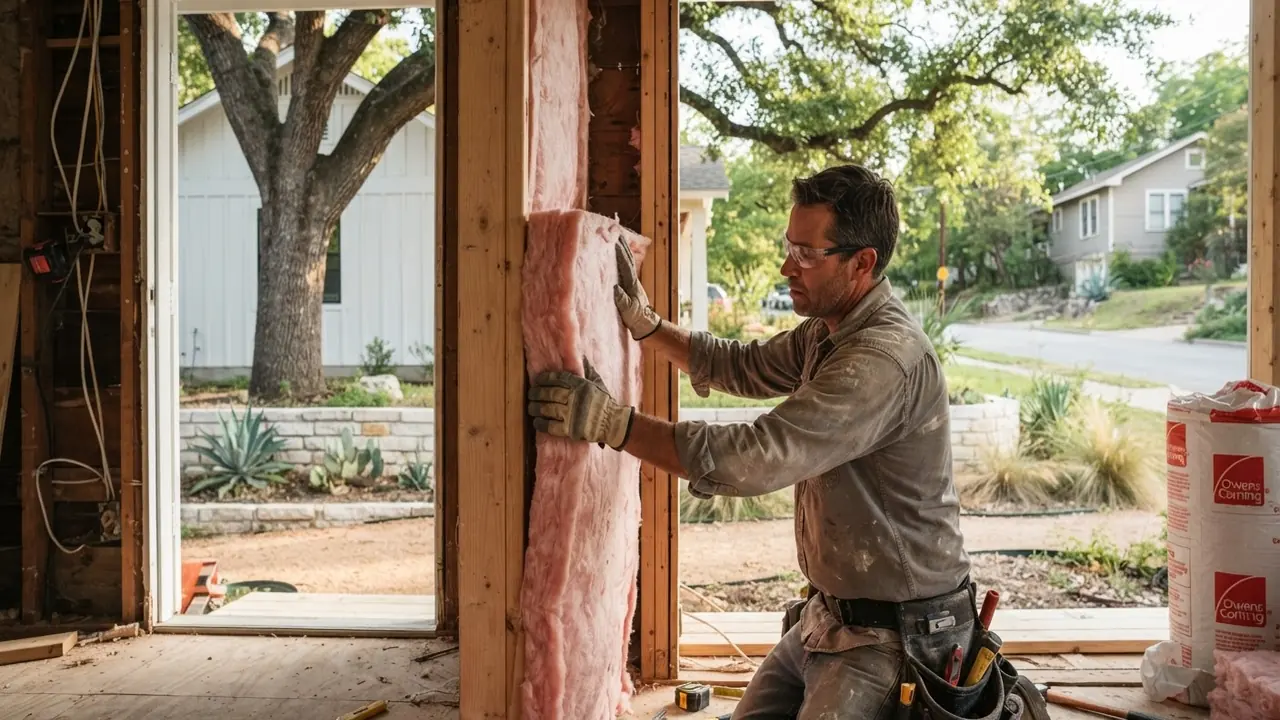
Typical for topping off existing insulation to Austin's recommended R-38 standard in standard-pitch attics.
Common in older South Congress renovations where batts have degraded or suffered pest intrusion.
Converts vented attics to conditioned spaces, popular for modern flat-roof or low-pitch 78704 designs.
Varies with ground clearance under vintage 1930s-1950s homes and perimeter skirt ventilation.
Typical market ranges for the Greater Austin area — not a quote or guarantee. Your actual price depends on scope; compare free quotes from local pros.
Comprehensive pre-installation attic thermal audit and air-leak identification
Safe removal and vacuum disposal of deteriorated, rodent-compromised, or contaminated insulation
Complete air-sealing of attic floor penetrations, can lights, and chase openings using expanding foam
Installation of depth markers, eave ventilation baffles (soffit baffles), and protective chimney collars
Precision installation of spray foam along roof decking or blown-in insulation to target R-values (R-38 to R-49)
ContractorPro.Leads is a matching service and doesn't do the work itself. We pass your South Congress request to a few local companies that take this kind of job, and you decide whether to hire any of them.
From the historic avenues just blocks off the vibrant SoCo District to quiet residential streets tucked between Zilker Park and Lady Bird Lake, South Congress features a distinct mix of 1940s craftsman homes, expanded ranch houses, and multi-story modern builds. Homes closer to the lake basin often deal with higher ambient humidity, while properties along rolling south-central ridges take the full brunt of western sun exposure, making targeted thermal barriers essential for comfort and mechanical longevity.
Get connected with dependable, independent insulation contractors in South Congress today for customized estimates on spray foam, blown-in, and attic air sealing.
Routine retrofits like blowing loose-fill into an existing attic floor generally do not require a standalone permit. However, if your project involves converting your attic into an unvented conditioned envelope using spray foam, or is part of a larger structural remodel, the City of Austin Development Services Dept. (DSD) requires plan reviews and energy code inspections under Austin Energy Code standards.
Yes. Austin Energy offers comprehensive home performance rebates for qualifying attic insulation upgrades (typically raising insulation levels to R-38 or higher). Participating independent contractors can evaluate your home's eligibility and assist with the required pre- and post-upgrade paperwork.
Blown-in cellulose or fiberglass is highly cost-effective for traditional vented attics with ample headroom. Spray foam along the roofline is ideal for South Congress homes with HVAC ductwork located in the attic, vaulted ceiling architecture, or limited attic floor space, as it seals the thermal envelope at the roof deck and keeps mechanicals out of intense summer heat.
Summer humidity from the nearby Lady Bird Lake basin and Gulf air masses can cause moisture to condense on uninsulated or improperly sealed surfaces. Contractors in the area must ensure proper vapor permeability and attic ventilation to avoid trapped moisture, mold development, and degraded R-values.
Late autumn through early spring (October through March) is optimal. Attic temperatures can easily exceed 140°F between May and September, making installation dangerous and potentially extending project times. Upgrading before summer helps ensure maximum cooling savings during peak electric rate tiers.
