Battling triple-digit summer heat and unpredictable winter cold snaps in Kyle requires a properly sealed thermal envelope. Whether you live in an established neighborhood or a newer build, upgrading your attic or wall insulation keeps your home comfortable year-round while taking pressure off your HVAC system. We connect Kyle homeowners with experienced, independent insulation contractors who understand Central Texas building performance.
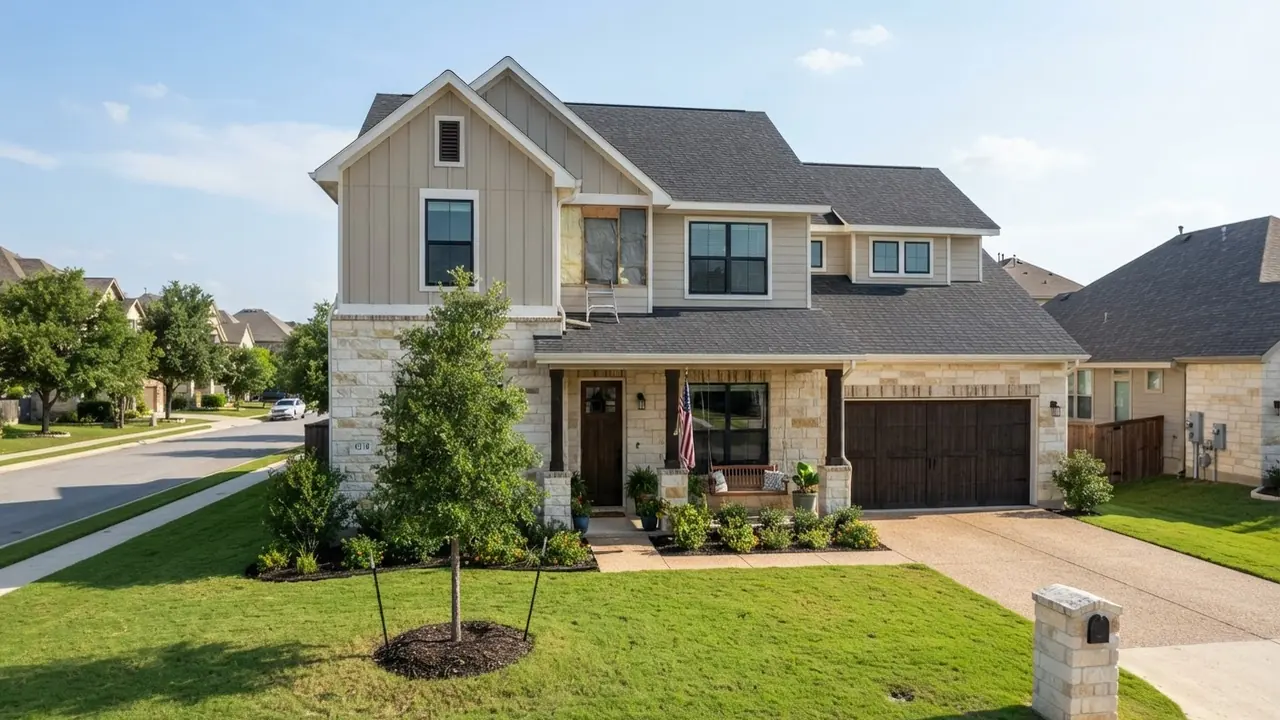
Kyle's location on expansive Blackland clay creates ongoing structural settling, which frequently causes subtle shifts in framing that open up hidden air leaks around ceiling bypasses, top plates, and ductwork.
Combined with sustained summer temperatures exceeding 100°F and intense radiant heat absorption on roof decks, under-insulated attics quickly turn into thermal ovens that drive up cooling costs. In the winter, sudden hard freezes expose uninsulated attic spaces and pipes to rapid heat loss, making comprehensive air sealing and high-performance insulation essential for homes across Hays County.
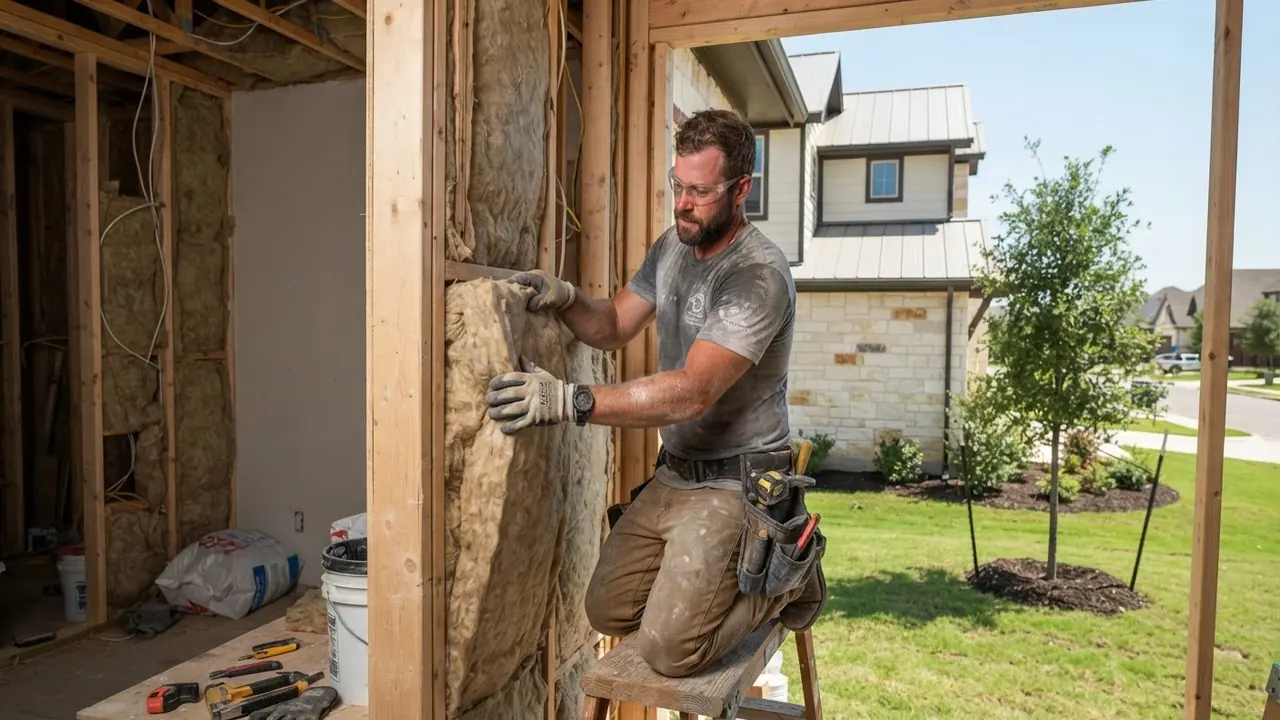
Cost varies based on desired R-value (typically R-38 to R-49 for Kyle's climate zone) and attic accessibility.
Commonly applied to roof decks in newer Kyle subdivisions to bring the attic into the semi-conditioned thermal boundary.
Offers maximum R-value per inch and moisture barrier protection; ideal for specific exterior wall and crawlspace applications.
Recommended when old insulation has settled, suffered rodent contamination, or when performing a full conversion to spray foam.
Typical market ranges for the Greater Austin area — not a quote or guarantee. Your actual price depends on scope; compare free quotes from local pros.
Initial thermal and depth assessment of existing attic insulation
Removal and disposal of contaminated, pest-damaged, or compressed material if required
Air sealing of all attic penetrations, top plates, recessed lights, and wire drops
Installation of rafter baffles to maintain proper soffit-to-ridge ventilation
Even application of blown-in fiberglass, cellulose, or spray foam to target R-value (R-38 to R-49)
ContractorPro.Leads is a matching service and doesn't do the work itself. We pass your Kyle request to a few local companies that take this kind of job, and you decide whether to hire any of them.
From classic craftsman-style homes in Plum Creek to newer developments near Lake Kyle and established properties around Gregg-Clarke Park, Kyle features a diverse mix of rooflines and architectural styles. Local contractors work across the entire 78640 area along the I-35 corridor, tailoring insulation solutions to match both older retrofits and modern suburban builds.
Connect with insulation professionals in Kyle, TX to get your free, no-obligation project estimate today.
Under the energy codes adopted in Hays County and the Greater Austin region (IECC Climate Zone 2), the standard recommendation for attic insulation is between R-38 and R-49. This equates to approximately 12 to 16 inches of blown-in fiberglass or cellulose.
Routine insulation top-offs and direct replacements generally do not require a separate permit from the City of Kyle Planning & Development. However, extensive structural modifications, conversions to unvented spray-foam attics involving mechanical alterations, or major additions may trigger plan reviews and code compliance checks.
Blown-in insulation is a cost-effective, high-performing choice for standard vented attics, effectively blocking heat transfer at the ceiling line. Spray foam applied directly to the underside of the roof deck seals the entire attic, keeping ductwork in a semi-conditioned space, which is especially advantageous during Kyle's 100°F+ summer stretches.
Depending on your specific electric provider in Kyle (such as Pedernales Electric Cooperative or local municipal programs), homeowners may qualify for residential energy efficiency rebates when upgrading attic insulation to current energy-saving standards.
While insulation can be installed year-round, local contractors recommend scheduling major attic work in the cooler months between October and April. Summer attic temperatures can reach extreme levels, which can extend installation times and require specialized safety protocols for the crew.
