Universal City homeowners know that triple-digit South Texas summers and sudden winter freezes put intense strain on residential HVAC systems. Whether you own an established mid-century brick ranch near Randolph AFB or a newer build off Pat Booker Road, maintaining an effective thermal barrier is critical for indoor comfort. We connect you with independent insulation specialists in the 78148 area ready to handle attic blow-ins, spray foam conversions, and complete insulation replacements.
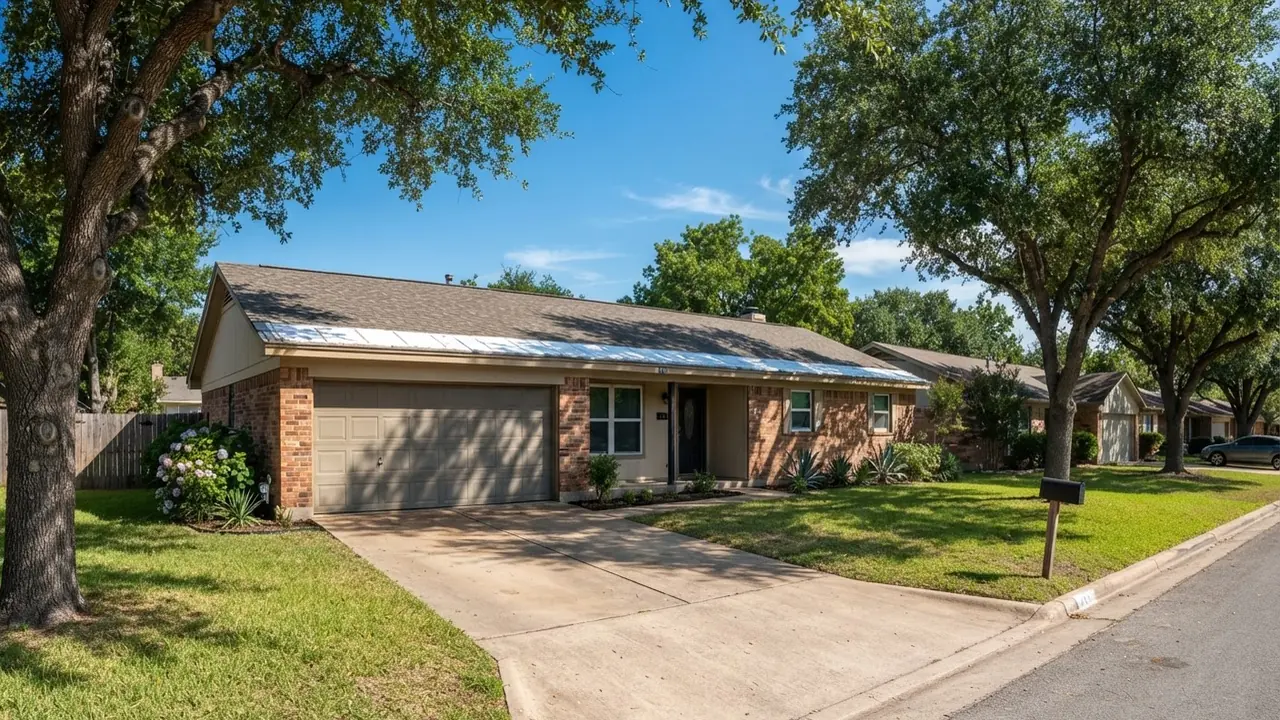
In Universal City's flat northeast suburban corridor, expansive clay soil frequently causes subtle foundation settling that cracks top plates and drywall seams, allowing conditioned air to escape into the attic.
During humid subtropical summers when roof deck temperatures regularly exceed 140°F, degraded or settled blown-in insulation allows extreme radiant heat to overwhelm living spaces below. Upgrading your thermal envelope and sealing air pathways protects against both summer heat infiltration and the freeze risks brought on by rapid winter cold snaps.
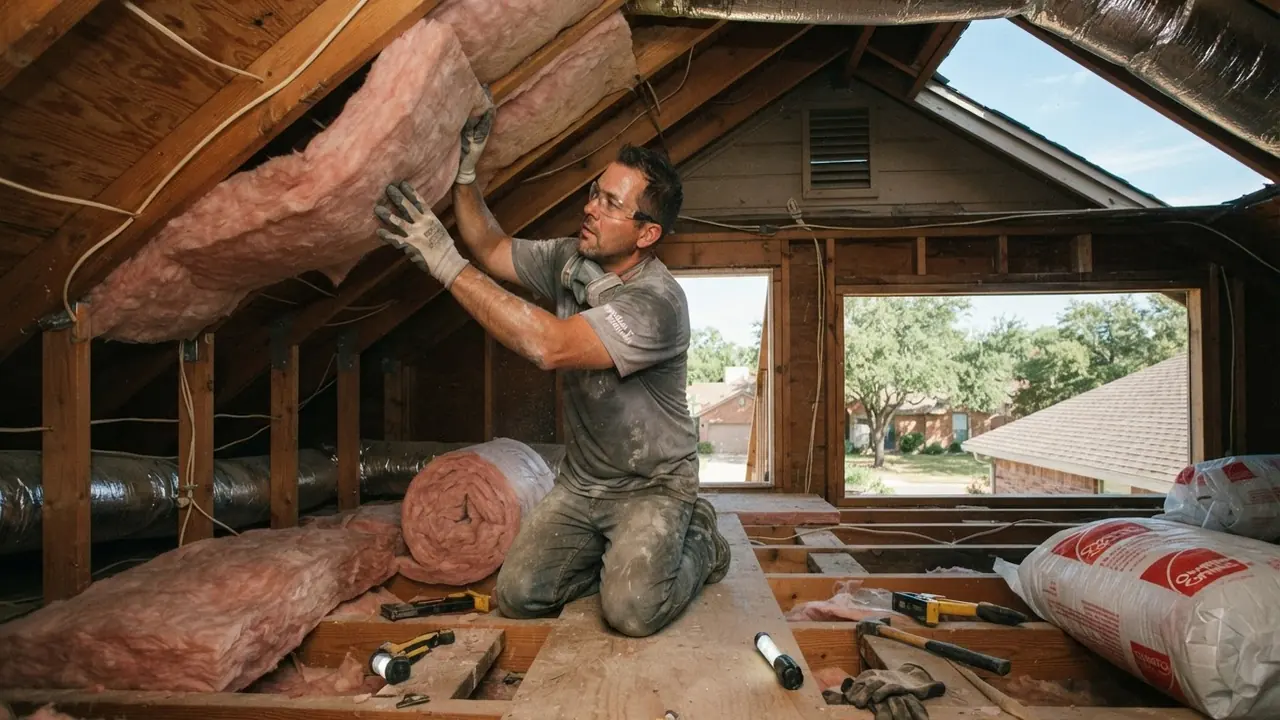
A popular, cost-effective choice for older ranches along Pat Booker Rd needing to bring settled 4-inch fiberglass up to modern standards.
Creates a sealed, semi-conditioned attic space that dramatically cuts ductwork heat gain in intense 78148 summer heat.
Offers a built-in vapor barrier and rigid structural strength, ideal for shallow roof slopes or external wall retrofits.
Recommended when existing material has been contaminated by pests, compressed by age, or damaged by past roof leaks.
Typical market ranges for the Greater San Antonio area — not a quote or guarantee. Your actual price depends on scope; compare free quotes from local pros.
Initial thermal assessment and measurement of existing R-value depth
Comprehensive air-sealing of ceiling penetrations, chases, and top plates
Installation of soffit baffles and proper ventilation dams at the eaves
Clearance staging around chimney flues, recessed lights, and exhaust vents
Even distribution of blown-in fiberglass, cellulose, or spray foam application
ContractorPro.Leads is a matching service and doesn't do the work itself. We pass your Universal City request to a few local companies that take this kind of job, and you decide whether to hire any of them.
Covering neighborhoods between Pat Booker Road and Kitty Hawk, to vibrant retail hubs near The Forum at Olympia Parkway, Universal City features a blend of 1960s-to-1980s ranch homes and modern subdivisions. Local contractors understand the distinct attic geometries, framing styles, and soffit ventilation patterns common throughout 78148 residential properties.
Take control of your indoor comfort and reduce monthly cooling costs. Connect with local insulation professionals in Universal City, TX for your free project estimate today.
Standard blown-in attic top-offs generally do not require a building permit. However, if your project involves converting to an unvented attic assembly using spray foam or altering electrical/structural components, plan approval from the City of Universal City Building Dept. may be required. Independent contractors in our network can advise on local permitting rules.
Clay soil expands and contracts with rainfall cycles, causing minor framing movement that can open seams between drywall and ceiling joists. This allows attic air to draft into the living areas unless the attic floor is thoroughly air-sealed prior to adding new insulation.
Blown-in cellulose or fiberglass is budget-friendly and performs exceptionally well on flat attic floors. Spray foam applied to the roof deck is ideal if your air handler and ductwork are located in the attic, as it keeps mechanical systems in a cooler, conditioned zone during peak 100°F afternoons.
Depending on your specific electric utility provider in the Universal City area (such as CPS Energy or local retail providers), rebates are frequently available for boosting attic insulation to R-38 or higher. Your local pro can supply required invoices and post-install documentation.
High humidity combined with triple-digit heat causes condensation when hot attic air meets cool air ducts. Proper insulation thickness and vapor barrier management prevent moisture accumulation, protecting framing from rot and preventing insulation matting.
