Located along the busy IH-35 corridor where Bexar, Comal, and Guadalupe counties meet, Selma homes face brutal triple-digit summers and sudden winter cold snaps. Whether you own an established property near Retama Park or a newer build near The Forum, quality insulation is vital for maintaining steady indoor comfort. We connect Selma homeowners with independent insulation professionals who understand local home construction and climate demands.
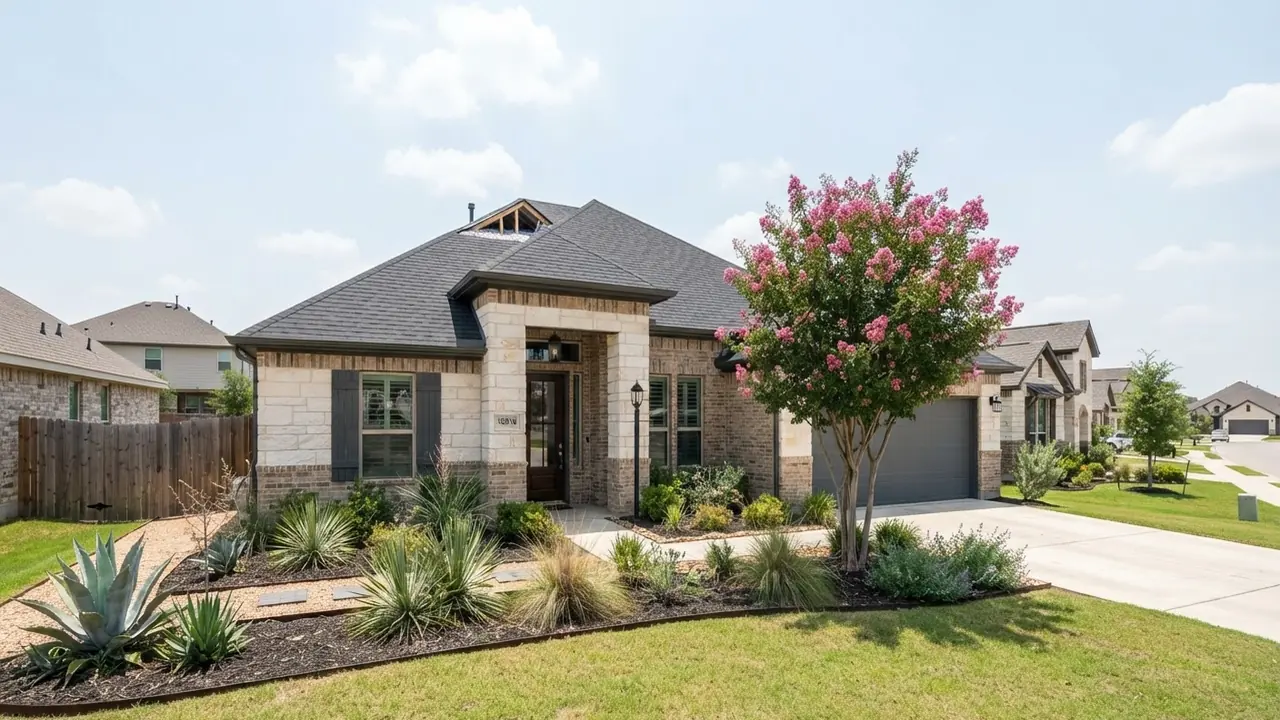
Selma rests on flat terrain underlain by highly expansive Blackland clay that expands and contracts with South Texas drought-and-rain cycles.
This persistent ground movement causes subtle structural settling, opening micro-gaps around ceiling drywall seams, top plates, and light fixtures where hot attic air infiltrates the living space. When humid outdoor temperatures hover near 100°F, unsealed attics superheat to over 140°F, overworking air conditioning units and driving up utility bills unless robust thermal barriers and precision air sealing are put in place.
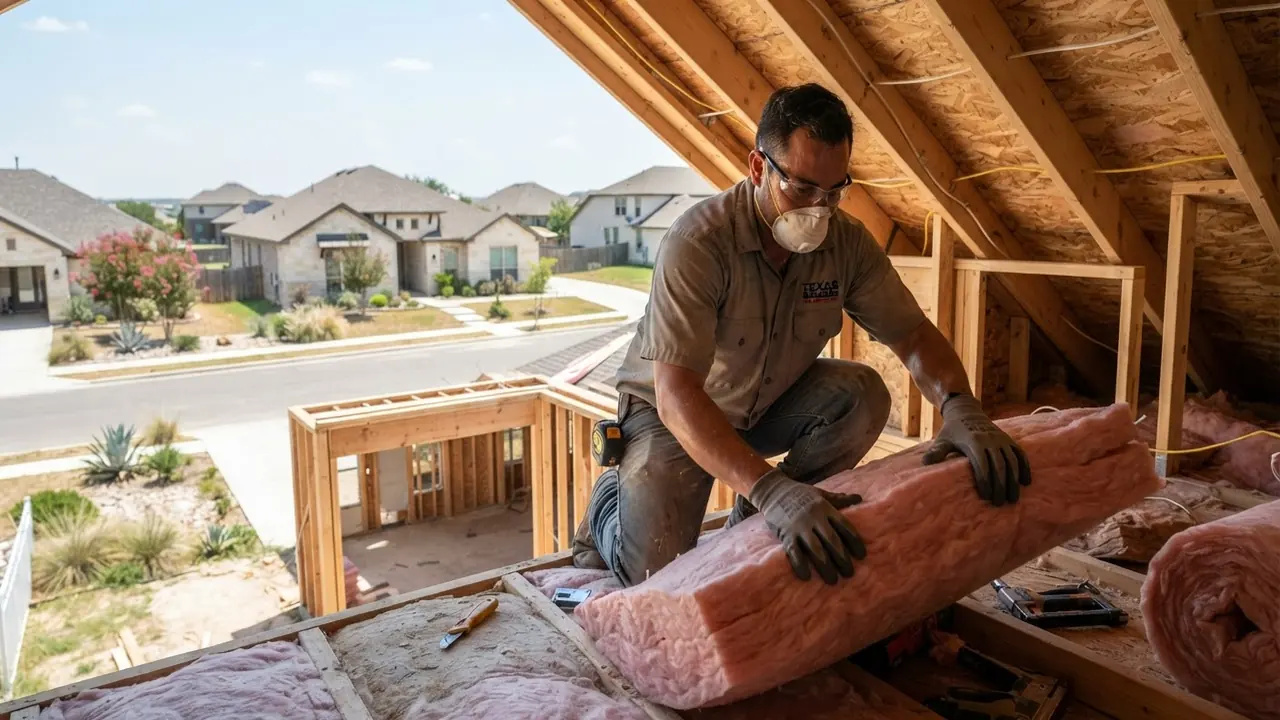
Typical for standard Selma homes (1,500–2,500 sq ft) topping off existing levels to achieve recommended R-38 or R-49 ratings.
Cost depends on open-cell vs. closed-cell application and total square footage of the roof deck rafters.
Recommended when existing batting is matted, moisture-damaged, or compromised by pests before fresh material is added.
Covers sealing gaps around ceiling light fixtures, wiring runs, and top plates common in clay-soil foundation shifts.
Typical market ranges for the Greater San Antonio area — not a quote or guarantee. Your actual price depends on scope; compare free quotes from local pros.
Complete thermal assessment of attic, knee walls, and crawlspaces
Safe removal and disposal of degraded, compressed, or contaminated insulation
Targeted air-sealing of ceiling electrical penetrations and duct junctions
Installation of soffit baffles to maintain proper roof deck ventilation
Uniform application of blown-in fiberglass, cellulose, or spray foam to target R-38+ depth
Installation of an insulated, weather-stripped attic access hatch cover
ContractorPro.Leads is a matching service and doesn't do the work itself. We pass your Selma request to a few local companies that take this kind of job, and you decide whether to hire any of them.
Spanning the 78154 ZIP code between universal retail centers like The Forum and the open recreational grounds of Retama Park, Selma features a mix of early-2000s brick ranches and contemporary subdivisions. Because many neighborhoods sit on wide, open prairie with young tree canopies, residential rooftops absorb direct solar radiation throughout the day, making high-efficiency attic insulation one of the most impactful energy upgrades for local homeowners.
Connect with experienced insulation contractors in Selma today and get free estimates to lower your energy costs and protect your home.
Selma is located in Climate Zone 2. Building scientists and energy codes recommend an attic insulation depth providing R-38 to R-60. In older Selma subdivisions where original fiberglass has settled to R-19 or below, bringing levels up to R-38 significantly cuts summer heat transfer.
Standard blown-in insulation top-offs generally do not require permits. However, major structural alterations, HVAC rerouting, or unvented roof-deck spray foam installations may require plans and permits through the City of Selma Building Dept. Contractors in your area can advise on specific project triggers.
Both have distinct advantages. Blown-in fiberglass or cellulose is cost-effective and covers the attic floor to prevent ceiling heat transfer. Spray foam applied directly to the roof rafters creates a sealed, semi-conditioned attic, which protects HVAC ductwork located in the attic from 140°F summer air.
Yes, depending on your specific utility provider (such as CPS Energy or GVEC), qualifying homeowners who increase attic insulation from low R-values to at least R-38 may be eligible for cash-back rebates per square foot.
Selma's expansive clay creates foundation settling that cracks ceiling drywall seams over time, allowing conditioned air to escape. Combined with summer temperatures near 100°F and heavy winter humidity swings, air leaks compromise your thermal barrier unless air-sealing is performed alongside insulation.
