Living in Cibolo means managing blazing Texas summer heat and sudden winter freezes that push your HVAC system to its limit. Whether you are in a newer subdivision along Green Valley or an established property near FM-78, upgrading your home's thermal barrier makes an immediate difference. We connect you with local insulation pros who specialize in attic top-ups, air sealing, and high-performance spray foam solutions tailored to Guadalupe County homes.
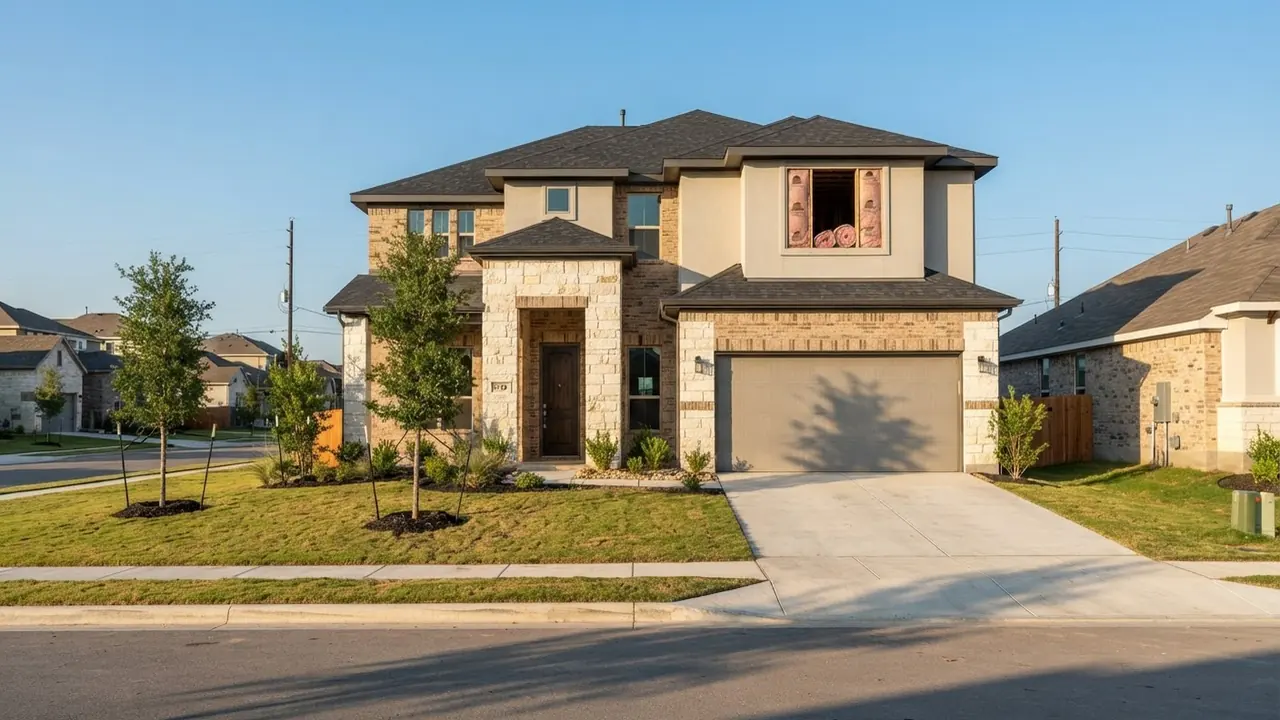
Cibolo sits on open, flat prairie land along Cibolo Creek, leaving residential roofs fully exposed to relentless 100°F summer sun with minimal tree canopy shade.
Under these conditions, unconditioned attics regularly soar past 140°F, radiating heat downward into living spaces. Compounding this, the area's shifting Blackland clay soil causes micro-settling over time, creating hairline gaps around top plates, drywall seams, and duct chases where conditioned air escapes and humid outdoor air infiltrates.
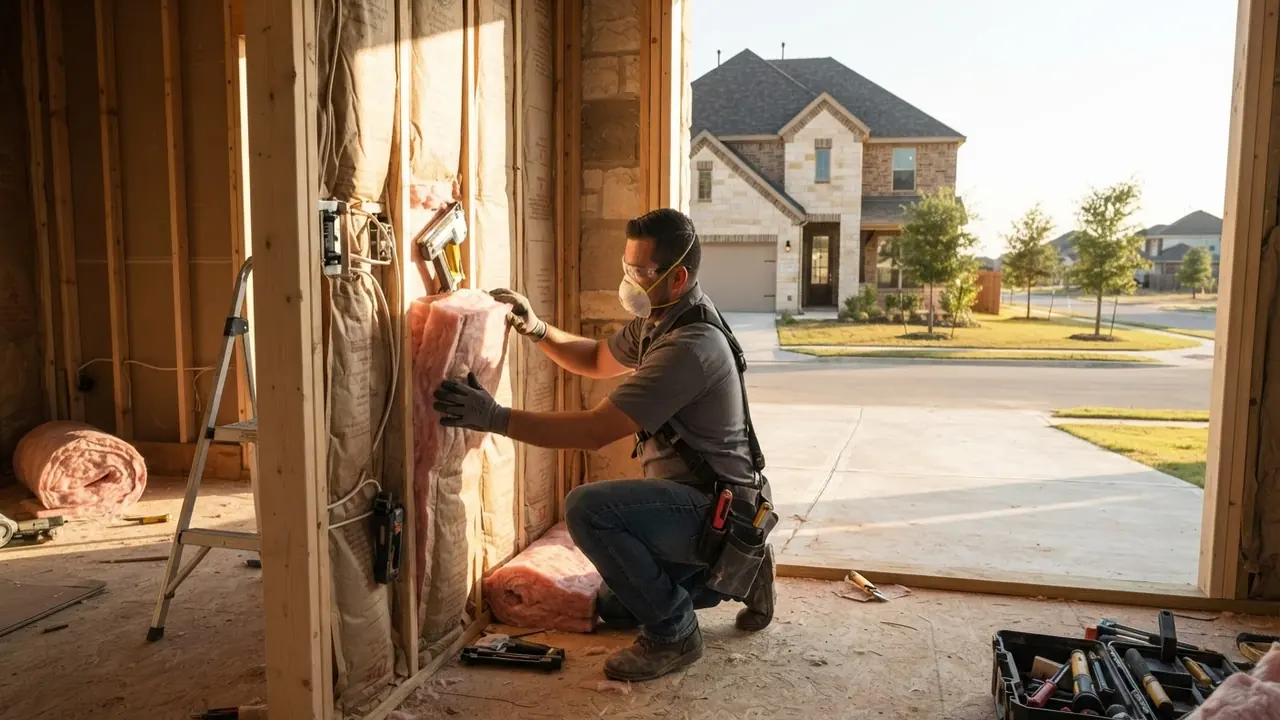
Ideal for topping up existing attics to reach recommended R-38 to R-49 levels in typical Cibolo prairie homes.
Popular for sealing roof decks and creating semi-conditioned attic spaces that protect ductwork from extreme heat.
Provides maximum R-value per inch and serves as a vapor barrier, often used in specialty areas or metal buildings.
Covers HEPA-vacuum extraction of contaminated or compressed batts and sealing all top-plate penetrations.
Typical market ranges for the Greater San Antonio area — not a quote or guarantee. Your actual price depends on scope; compare free quotes from local pros.
Comprehensive thermal inspection and attic depth measurement
Removal or sanitization of pest-damaged or moisture-degraded existing insulation
Blowing/sealing of can lights, plumbing vents, and electrical penetrations
Installation of soffit baffles to maintain proper roof-deck ventilation channels
Even distribution of blown-in fiberglass/cellulose or precise application of spray foam
ContractorPro.Leads is a matching service and doesn't do the work itself. We pass your Cibolo request to a few local companies that take this kind of job, and you decide whether to hire any of them.
From the busy FM-78 corridor to the growing master-planned communities off Green Valley Road and the rural-edge acreage bordering Cibolo Creek, housing in 78108 ranges from brand-new construction to ranch-style builds with aging, compressed insulation. Local pros understand the architectural nuances across these neighborhoods, delivering custom solutions that keep homes efficient year-round.
Ready to lower your summer electric bills and keep your home comfortable year-round? Tell us about your project to get connected with insulation professionals serving Cibolo, TX today.
In Cibolo's humid subtropical climate (Zone 2/3 boundary), building standards recommend an attic thermal resistance of R-38 to R-49. This equates to roughly 13 to 16 inches of blown-in fiberglass or 11 to 14 inches of blown-in cellulose. Many builder-grade homes along FM-78 settle over time to R-19 or R-30, creating significant cooling loss.
Simple blown-in top-ups and standard retrofits generally do not require a permit. However, converting an attic to an unvented conditioned space with spray foam on the roof deck, or making structural/electrical modifications during the project, may require permitting and inspection through the City of Cibolo Development Services Dept. Independent local contractors can help verify permit needs.
Both have distinct advantages. Blown-in fiberglass or cellulose is cost-effective and highly efficient for standard vented attics. Spray foam applied to the underside of the roof deck creates a sealed building envelope, which is especially beneficial if your HVAC air handler and ductwork are located in the attic and exposed to summer heat.
Depending on your exact address in 78108, electric service is provided by utilities such as GVEC or CPS Energy. Many regional providers offer cash-back incentives or rebates for upgrading attic insulation to current R-value standards. Local contractors can provide the necessary documentation to submit for these programs.
Expansive Blackland clay causes seasonal ground movement that creates structural vibration and minor drywall shifts, loosening older fiberglass batts and opening ceiling air leaks. Additionally, high summer humidity can degrade improperly ventilated materials, making professional air sealing and moisture checks critical.
