Beat triple-digit South Texas summers and protect your home during sudden winter freezes with upgraded thermal protection. We connect homeowners across Live Oak, TX (78233) with independent insulation professionals who specialize in attic insulation, blown-in cellulose, and high-performance spray foam. Get matched with local pros who know how to seal and insulate homes built for the northeast San Antonio climate.
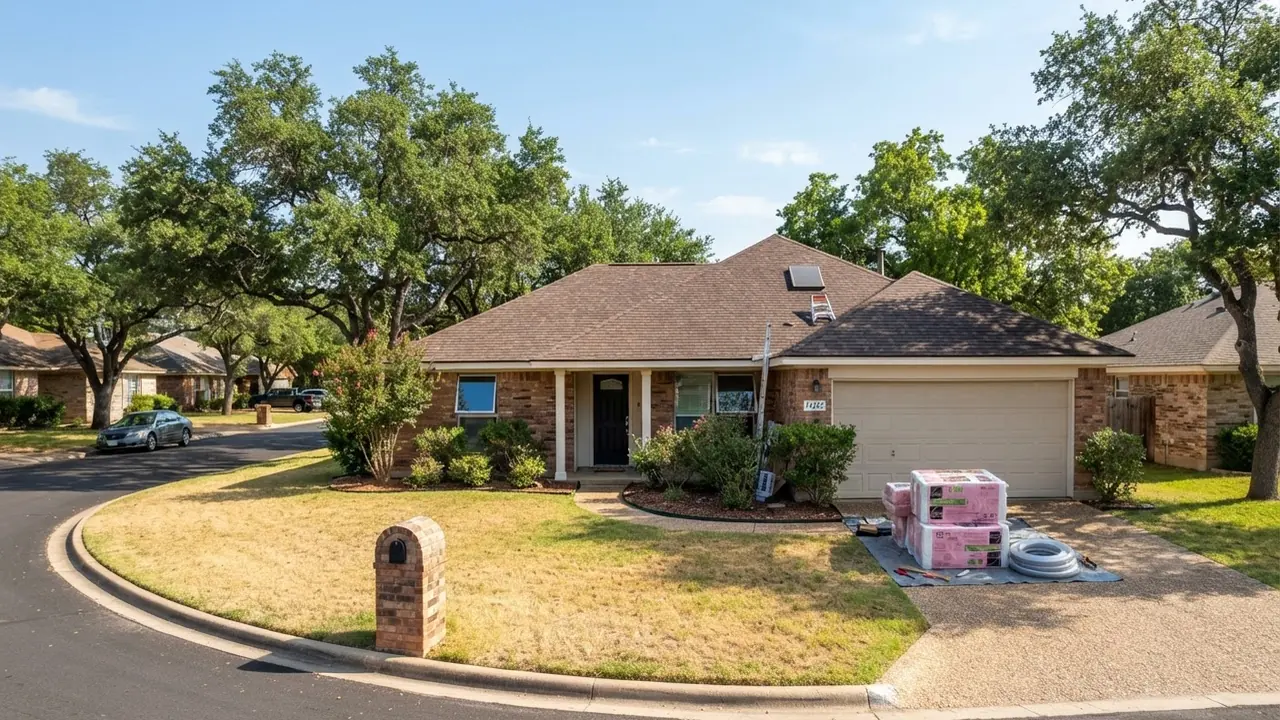
Live Oak's flat terrain rests on dense, expansive clay soil that swells during spring rains and shrinks during severe summer droughts, causing subtle foundation settling and framing movement that breaks air seals around ceiling fixtures and top plates.
When combined with humid subtropical summers where attic temperatures regularly exceed 140°F, poorly insulated or settled attics allow radiant heat to bleed directly into your living spaces. Upgrading to properly sealed blown-in insulation or spray foam stops convective heat loss and air infiltration, stabilizing your indoor temperatures through scorching summers and sudden hard winter freezes.
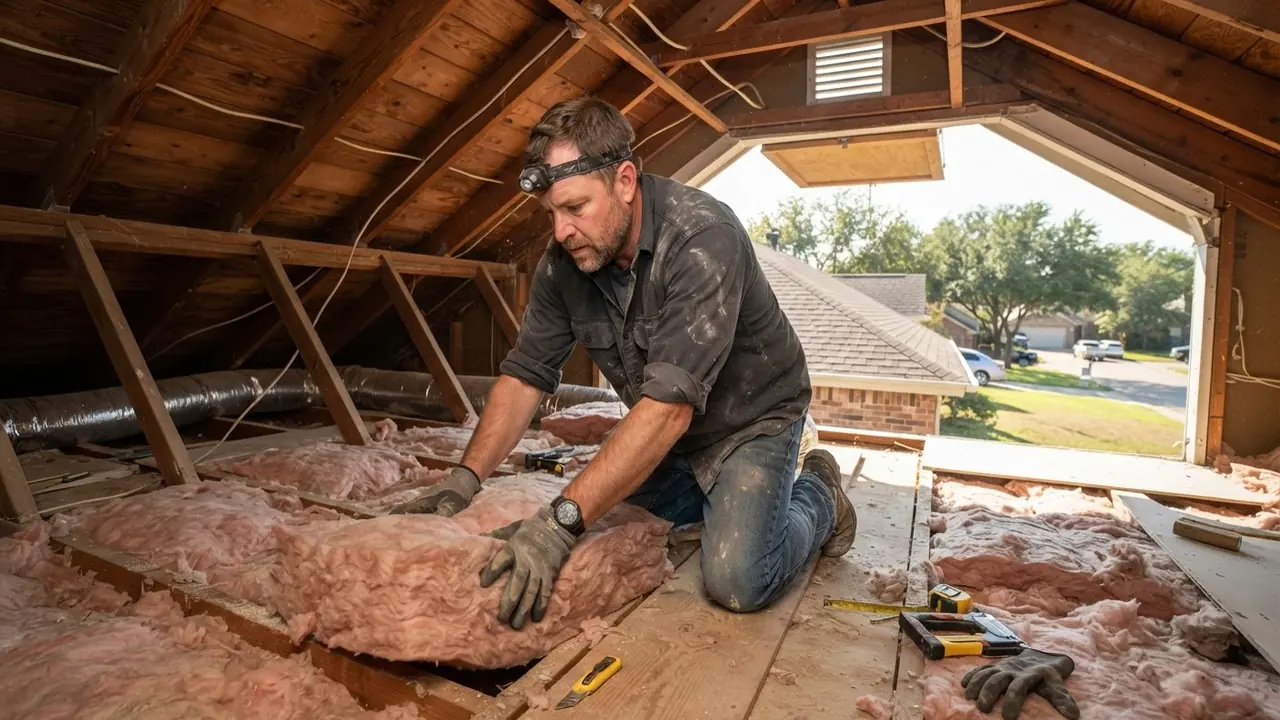
Typical range for topping up an existing 1,400 to 2,200 sq ft Live Oak attic with blown fiberglass or cellulose.
Recommended when old insulation has suffered severe compression, rodent contamination, or moisture damage.
Applied directly to the underside of the roof decking to create an unvented, conditioned attic space.
Sealing thermal bypasses and top plates to prevent clay-soil shift air leaks from undermining your insulation.
Typical market ranges for the Greater San Antonio area — not a quote or guarantee. Your actual price depends on scope; compare free quotes from local pros.
Comprehensive attic inspection to measure current R-value and spot pest or moisture issues
Removal and disposal of old, compressed, or contaminated insulation if required
Air sealing of wire chases, can lights, plumbing vents, and top plates
Installation of rafter baffles (soffit vent chutes) and insulated attic hatch covers
Uniform installation of blown-in fiberglass, cellulose, or spray foam to target depth
Final R-value certification card placed in attic and complete job-site cleanup
ContractorPro.Leads is a matching service and doesn't do the work itself. We pass your Live Oak request to a few local companies that take this kind of job, and you decide whether to hire any of them.
Whether your home is an established 1970s brick ranch near Live Oak Park, a traditional two-story off Shin Oak Drive, or located closer to the retail corridors near The Forum at Olympia Parkway and IH-35, local homes face intense solar exposure throughout the year. Additionally, with flight paths from nearby Randolph AFB overhead, modern attic insulation serves a dual purpose by delivering essential thermal barrier performance while noticeably dampening exterior aircraft and highway noise.
Connect with independent insulation contractors in Live Oak, TX today and get your free, no-obligation attic upgrade estimates.
Standard retrofit projects that add blown-in insulation over existing ceilings typically do not require a permit. However, if you are installing spray foam that alters roof ventilation systems, creating a conditioned attic space, or completing structural work, check with the City of Live Oak Building Dept. to confirm compliance with local codes.
Blown-in cellulose or fiberglass is the most economical way to achieve the recommended R-38+ level on attic floors. Spray foam applied to the roof deck costs more upfront but keeps HVAC ductwork within a conditioned boundary, which provides massive energy savings during Live Oak's 100°F summers and blocks acoustic noise from IH-35 and Randolph AFB.
Yes. Depending on your service territory (such as CPS Energy), homeowners who improve their attic insulation levels can often qualify for significant cash-back rebates. Independent contractors in our network can supply the necessary pre- and post-installation documentation required for rebate filing.
Clay soil expands when wet and contracts when dry, causing minor shifts in the home's foundation and framing. These subtle movements create micro-gaps around light fixtures, wall plates, and ceiling drywall joints. Professional air sealing before adding insulation is critical to stop conditioned air from leaking into your attic.
Late autumn, winter, and early spring are the best times to schedule insulation work. Attic temperatures during Live Oak summers can exceed 140°F, making installations challenging and contractor schedules tight. Doing the work before May ensures your home is ready for extreme summer cooling demands.
