Keeping your Windcrest home comfortable through brutal South Texas summers and sudden winter freezes starts in the attic. Whether you live in a classic mid-century ranch off Midcrown Drive or a renovated property near IH-35, upgrading your home's thermal barrier drastically lowers energy consumption. We connect you with independent insulation professionals serving the entire 78239 community.
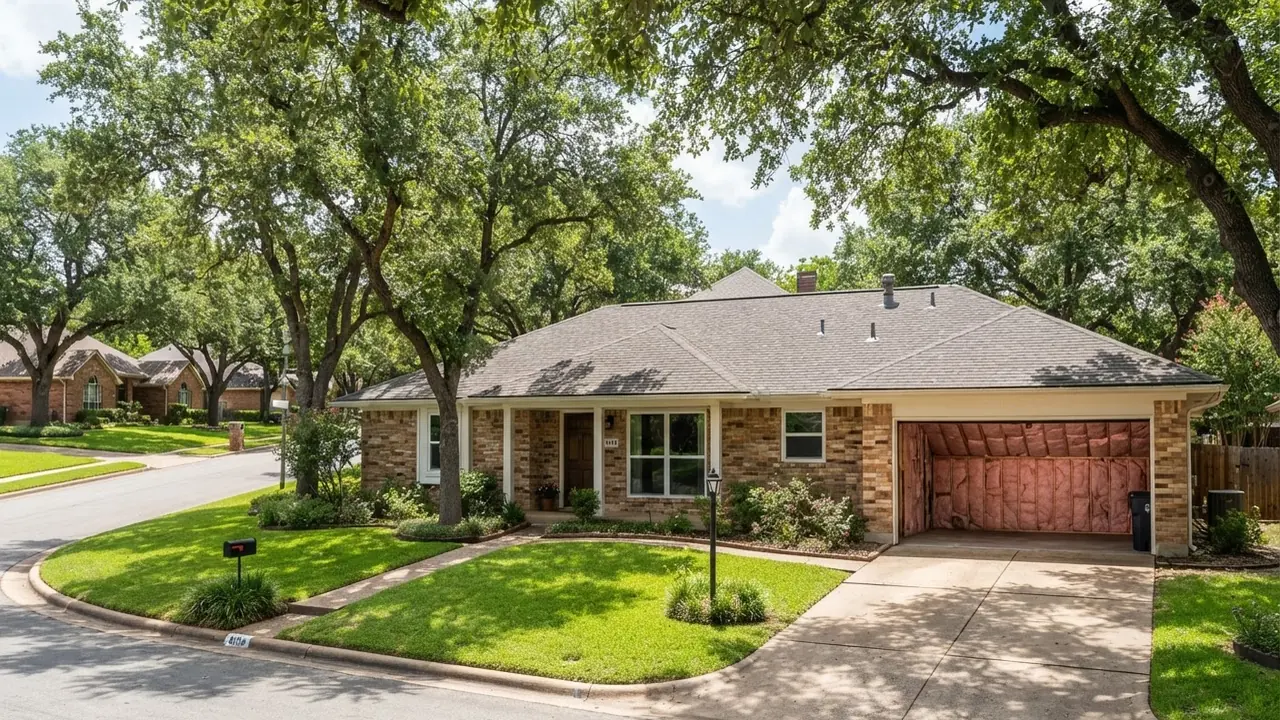
Windcrest's humid subtropical climate routinely pushes attic temperatures past 140°F in July and August, driving heat directly downward into living areas.
At the same time, the northeast suburb's expansive clay soils cause subtle seasonal foundation movement, which frequently breaks air seals around top plates, drywall seams, and recessed lighting. Without modern air sealing and adequate R-38 to R-49 blown-in or spray foam insulation, older fiberglass batts fail to stop thermal bridging, leading to overworked air conditioning units and high humidity indoors.
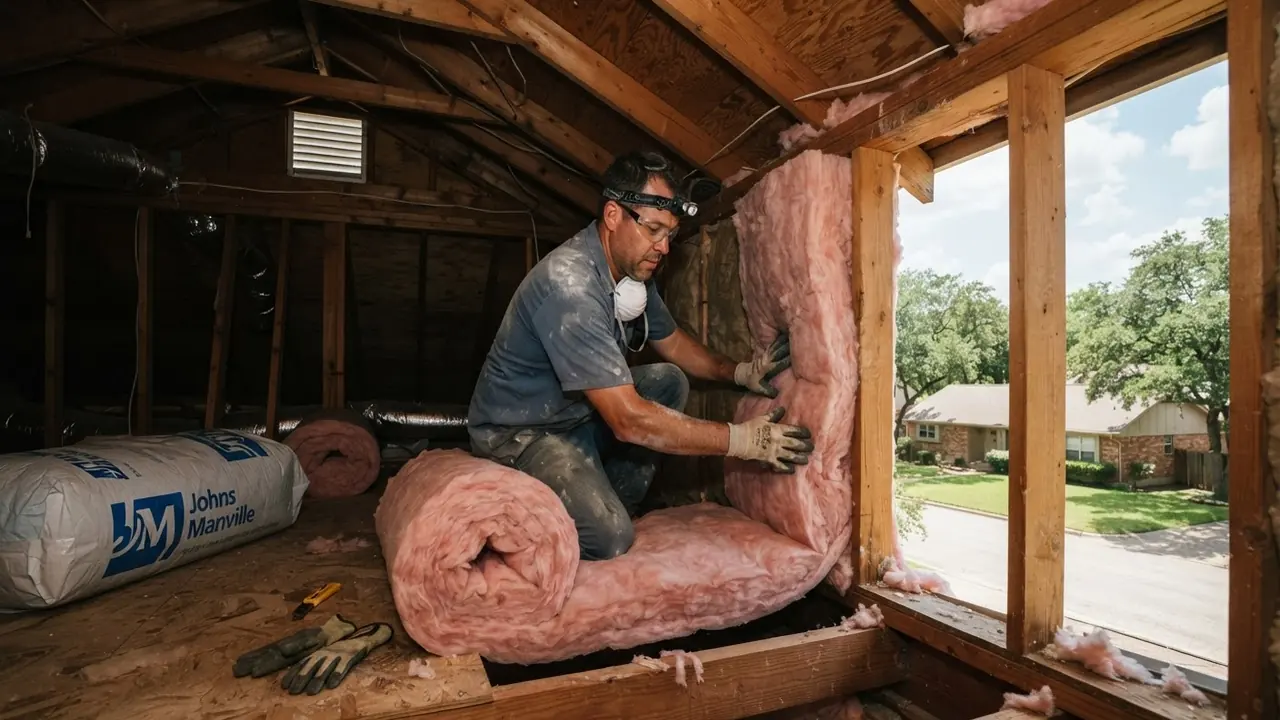
Ideal for Windcrest ranches with existing clean insulation that just needs an R-value boost to meet current energy standards.
Necessary when vintage batts are compressed, contaminated by rodents, or damaged by past roof leaks.
Applied directly to the underside of the roof deck, creating a conditioned attic space for homes with ductwork in the attic.
Provides maximum R-value per inch and serves as a moisture vapor barrier, popular for specialized additions and exterior wall retrofits.
Seals major thermal leak points before new insulation is installed, critical for settling foundations in clay soil.
Typical market ranges for the Greater San Antonio area — not a quote or guarantee. Your actual price depends on scope; compare free quotes from local pros.
Comprehensive attic inspection to measure current R-value and locate air leaks
Identification and removal of old, contaminated, or pest-damaged insulation materials
Precision air sealing of top plates, chase ways, can lights, and duct boots
Installation of ventilation baffles (rafter vents) at every soffit intake
Even application of blown-in fiberglass, cellulose, or spray foam to target R-values
ContractorPro.Leads is a matching service and doesn't do the work itself. We pass your Windcrest request to a few local companies that take this kind of job, and you decide whether to hire any of them.
Situated just off IH-35 and minutes from Randolph AFB and Rolling Oaks Mall, Windcrest is celebrated for its lush tree canopy and established single-story brick homes. Most residential construction dates from the 1960s through the 1980s, an era when building codes required minimal attic insulation. Local contractors understand the distinct framing, low-pitch rooflines, and duct layouts typical of 78239 homes, providing targeted upgrades that enhance year-round comfort.
Connect with insulation contractors in Windcrest today for a no-obligation attic evaluation and free project estimate.
For our San Antonio-area climate zone (Zone 2), the Department of Energy recommends an attic thermal resistance of R-38 to R-60. In Windcrest's older ranch homes, this generally equates to 12 to 18 inches of loose-fill cellulose or fiberglass insulation, or 5 to 7 inches of open-cell spray foam on the roof deck.
Routine retrofits and blown-in top-ups typically do not require permits. However, major structural alterations, converting an attic to conditioned living space, or altering combustion appliance venting fall under the oversight of the City of Windcrest Building Dept. Local pros can verify current local code requirements before work begins.
Yes, homeowners in Windcrest serviced by CPS Energy are often eligible for attic insulation rebates when upgrading from low R-values up to R-38 or higher. Independent contractors can provide the documentation and invoice details needed to submit your rebate application.
Both have distinct advantages. Blown-in insulation on the attic floor is cost-effective and highly efficient for standard attic setups. Spray foam applied to the roof deck brings your HVAC ductwork into conditioned space, which can dramatically lower cooling strain in homes where ductwork runs through a blistering attic.
As Windcrest's clay soils shrink in summer and swell with spring rains, subtle structural shifts pull drywall away from ceiling framing and open gaps around electrical penetrations. This allows attic heat to bypass your insulation. A thorough air-sealing process prior to adding insulation is essential to lock out these drafts.
