Keeping a home comfortable along the rolling hills of Bee Cave requires serious thermal protection against triple-digit Texas summers and sudden winter cold snaps. Whether you need high-performance spray foam for a custom build or fresh blown-in fiberglass to top off settled attic insulation, we connect you with experienced 78738 insulation specialists. Lower your seasonal energy consumption and protect your living space with local pros who understand Hill Country architecture.
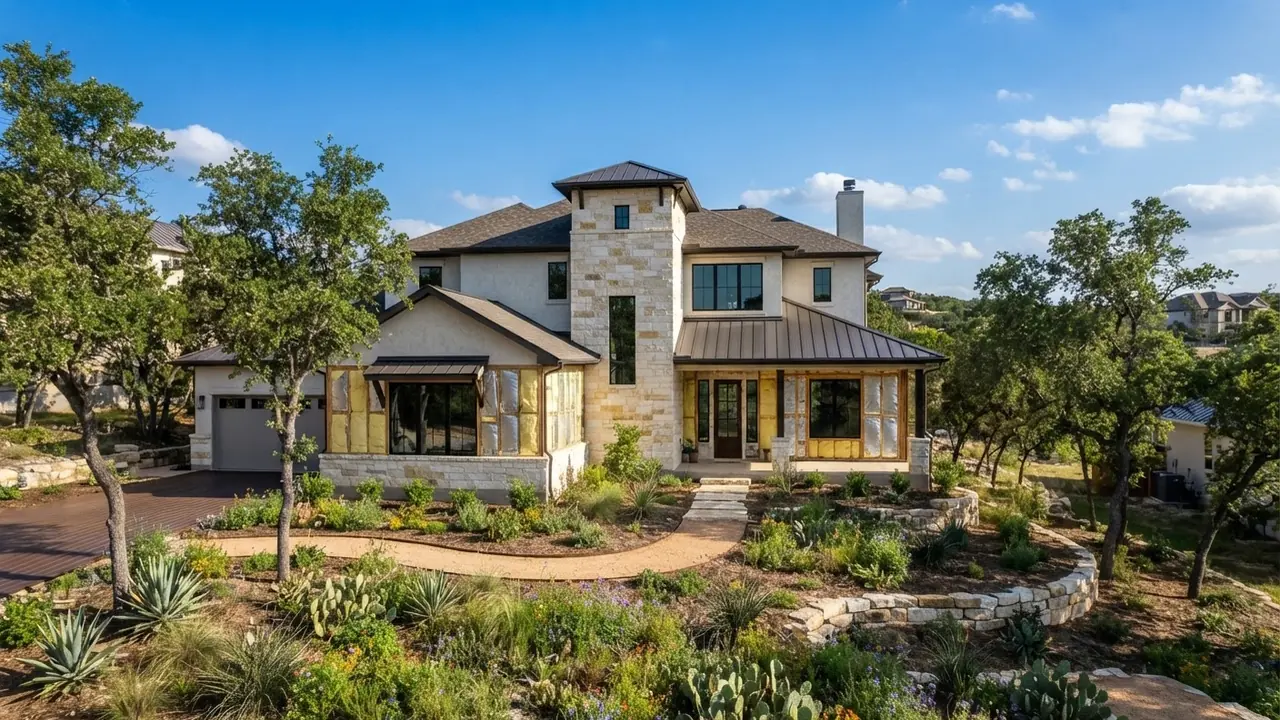
Bee Cave homes sit atop thin, rocky soil over Edwards limestone, where intense summer solar radiation reflects off the terrain and turns unshaded attics into 140°F heat traps.
Sprawling floor plans, high cathedral ceilings, and complex rooflines common throughout western Travis County often suffer from thermal bridging and leaky duct chases. Upgrading your building envelope prevents overstressed air conditioning systems from running constantly during peak summer heatwaves while guarding vulnerable attic water lines against sudden Hill Country hard freezes.
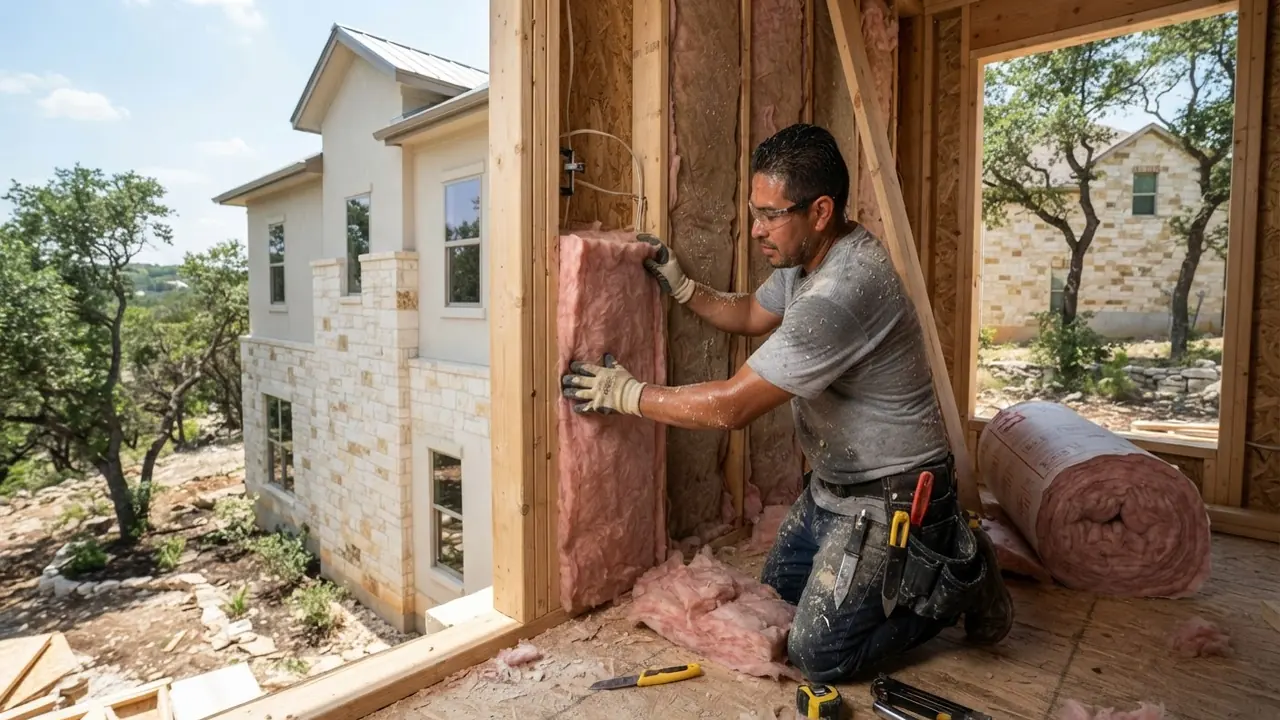
Covers bringing existing R-19 or R-30 levels up to modern R-38/R-49 standards in standard 78738 ranch or two-story homes.
Required when existing insulation is contaminated by pests, mold, or damaged by past roof leaks.
Pricing varies based on roofline pitch, total square footage, and complexity of framing in custom Hill Country homes.
Provides maximum R-value per inch and an integrated moisture barrier for specialized crawl spaces or exterior walls.
Typical market ranges for the Greater Austin area — not a quote or guarantee. Your actual price depends on scope; compare free quotes from local pros.
Complete an on-site thermal assessment and depth inspection of existing attic insulation
Identify and seal all air bypasses, wire penetrations, and recessed lighting fixtures
Install baffles and soffit vent guards to preserve critical attic airflow
Safely vacuum out damaged, rodent-compromised, or degraded material if needed
Evenly install blown-in insulation to target R-38/R-49 or apply precision spray foam
Verify proper hatch insulation and weatherstripping on all attic access entries
ContractorPro.Leads is a matching service and doesn't do the work itself. We pass your Bee Cave request to a few local companies that take this kind of job, and you decide whether to hire any of them.
From established communities near the Hill Country Galleria and Falconhead to custom estates tucked along SH-71 and the hills toward Lake Travis, Bee Cave properties feature diverse architectural envelopes. Local contractors are familiar with both retrofitting older 1990s attic spaces and insulating modern Hill Country contemporary construction.
Connect with Bee Cave insulation specialists today to get competitive quotes on spray foam, blown-in attic insulation, and energy-saving home upgrades.
For climate zone 2 in Central Texas, local building codes and energy guidelines recommend an attic thermal resistance between R-38 and R-49. This typically equates to roughly 12 to 16 inches of blown-in fiberglass or cellulose.
A standard insulation top-off or direct replacement in an existing home generally does not require a permit. However, if you are altering roof ventilation, converting an attic to conditioned living space, or doing work as part of a permitted remodel, City of Bee Cave Development Services will require plans and inspections.
Blown-in insulation sits on the attic floor, keeping living areas cool but leaving your attic space hot. Spray foam is applied directly to the underside of the roof deck, sealing the attic and bringing HVAC equipment and ductwork inside the home's conditioned thermal envelope, which significantly reduces duct strain in 100°F summers.
Depending on your specific electric provider (such as Pedernales Electric Cooperative or Austin Energy in fringe areas), homeowners may qualify for energy-efficiency rebates when upgrading attic insulation to current recommended standards.
Most residential blown-in attic installations take between 4 to 8 hours. Full insulation removals combined with spray foam retrofits on complex multi-story layouts typically require 1 to 2 full workdays.
