Perched on the rolling Hill Country peninsula between Lake Austin and Lake Travis, Steiner Ranch homes face intense summer heat that can easily drive attic temperatures past 140°F. We connect you with local insulation contractors who understand how to properly air seal and insulate 78732 homes for year-round comfort and energy savings. Get matched with independent specialists ready to assess your attic, crawlspace, or whole-home insulation needs.
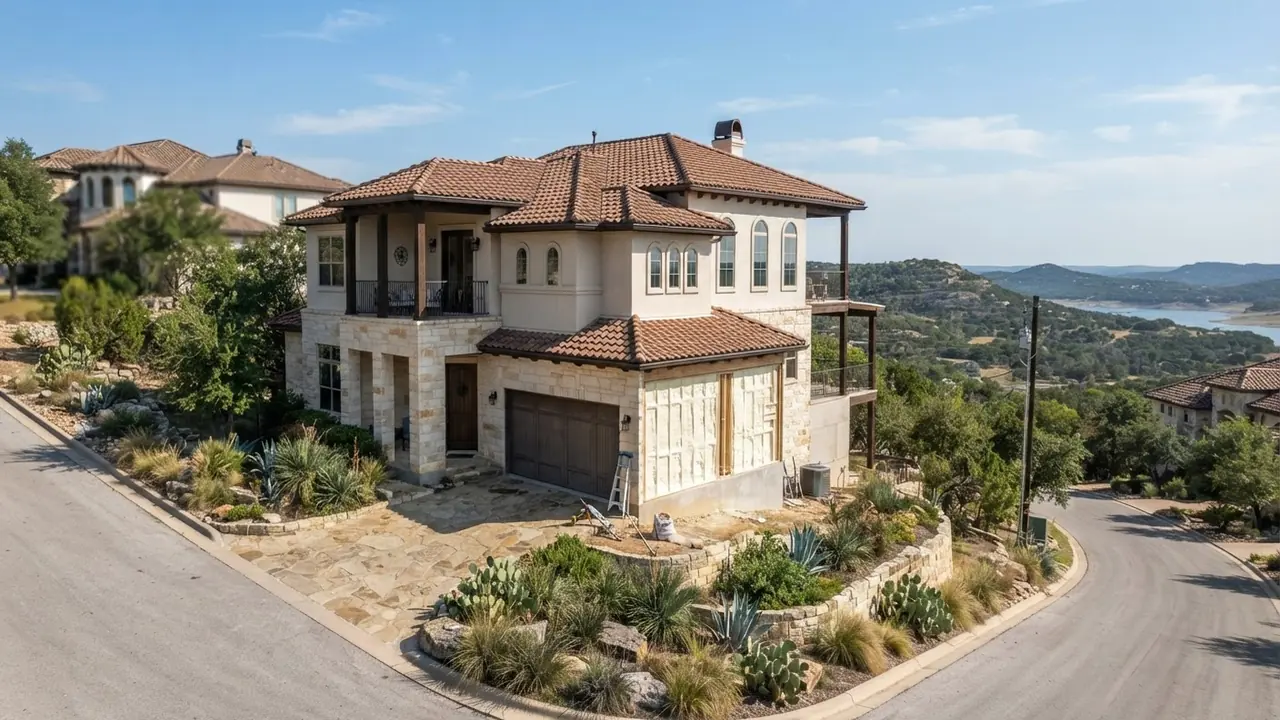
Steiner Ranch's elevated terrain over Edwards limestone exposes rooftops to relentless solar radiation and sudden seasonal weather shifts, from triple-digit summer heatwaves to sharp winter freezes.
Many custom and semi-custom homes in the area feature complex rooflines, vaulted ceilings, and attic-mounted HVAC ducts that suffer extreme thermal gain when builder-grade insulation settles or degrades. Because Steiner Ranch is in unincorporated Travis County, standalone insulation retrofits bypass standard municipal residential permitting, making it even more vital to work with experienced pros who adhere to strict building science standards to manage heat transfer and lake-area humidity.
Typical for standard 2,500 to 4,000 sq ft Steiner Ranch homes needing additional loose-fill fiberglass or cellulose over existing insulation.
Recommended if prior material has suffered rodent intrusion, water damage from roof leaks, or severe compression.
Varies by roof deck square footage; ideal for complex architectural roofs to bring attic HVAC ducts into conditioned space.
Seals top plates, plumbing penetrations, and recessed lighting fixtures prior to blowing in new material.
Typical market ranges for the Greater Austin area — not a quote or guarantee. Your actual price depends on scope; compare free quotes from local pros.
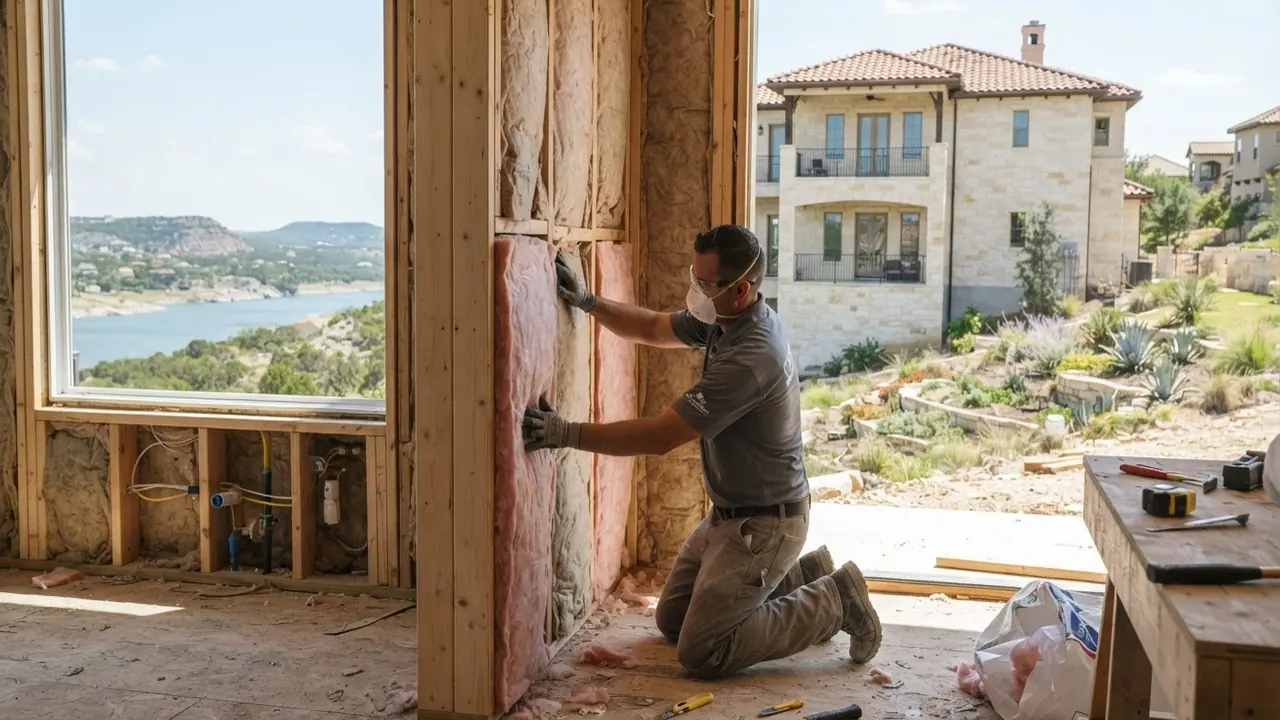
In-depth inspection of current insulation depth, material condition, and thermal bypasses
Evaluation of attic ventilation, including soffit baffles, ridge vents, and gable exhaust
Thorough air sealing of mechanical chases, can lights, and electrical penetrations
Optional extraction of old, settled, or pest-damaged fiberglass batting or loose fill
Precision installation of new blown-in cellulose, fiberglass, or spray foam to target R-values
Final inspection of attic access hatch weatherstripping and thermal barrier continuity
ContractorPro.Leads is a matching service and doesn't do the work itself. We pass your Steiner Ranch request to a few local companies that take this kind of job, and you decide whether to hire any of them.
From the sprawling homes along the UT Golf Club fairways to canyon-side properties near Lake Travis and Bull Creek, Steiner Ranch residences require specialized thermal envelope management. Local pros understand how high lake-effect humidity and Hill Country winds interact with your home's attic ventilation.
Connect with insulation professionals in Steiner Ranch today for a free attic evaluation and customized quote!
Because Steiner Ranch is located in unincorporated Travis County, there is no residential building permit required for routine insulation additions, removals, or spray foam retrofits. However, quality contractors will still perform installations according to current Texas energy code guidelines.
For Central Texas (Climate Zone 2), building efficiency experts recommend an attic insulation level of R-38 to R-60, which typically equals 12 to 18 inches of loose-fill blown insulation. This level shields living areas from extreme 100°F+ Hill Country summer temperatures.
Steiner Ranch is primarily served by Pedernales Electric Cooperative (PEC). Homeowners should check PEC's commercial and residential rebate programs for weatherization incentives. You may also qualify for federal Energy Efficient Home Improvement Credits (Section 25C) covering up to 30% of material costs.
Blown-in cellulose or fiberglass is the most economical solution for standard vented attics. Spray foam applied along the roofline is popular for Steiner Ranch custom homes with HVAC units and ductwork located in the attic, as it brings the equipment into a semi-conditioned space and lowers cooling strain.
High humidity near the lakes can seep into poorly sealed attics, causing condensation on cold HVAC ducts and reducing the thermal efficiency of loose insulation. Professional air sealing and proper baffle installation prevent moisture accumulation and protect against mold development.
