Your request goes to up to four local pros serving San Fernando. Before any of them can receive it, we check their license where the work requires one, their business address.
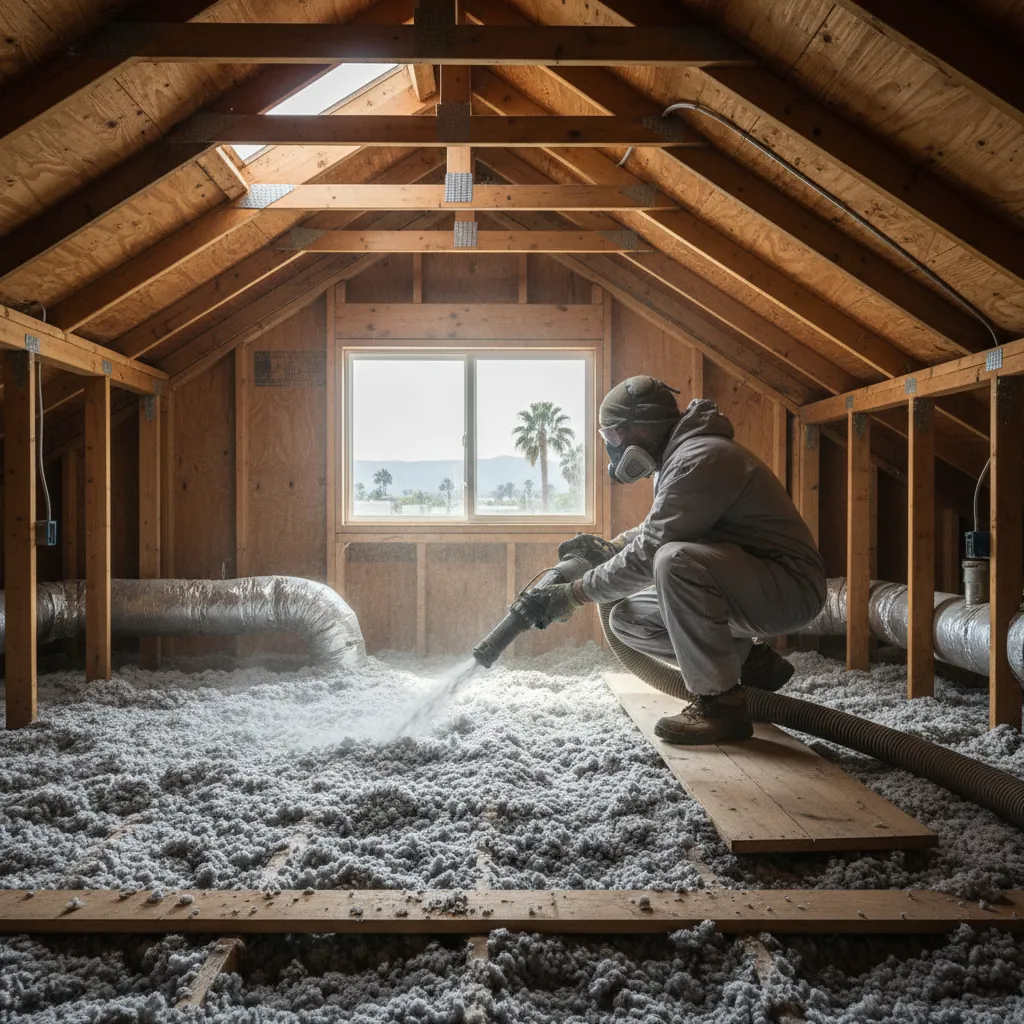
Keeping a home comfortable on the flat, sun-drenched grid of San Fernando requires more than just running the air conditioning. With our intense Valley summers, many of the classic mid-century homes in this close-knit independent city struggle to retain cool air, leading to soaring utility bills. We connect you with independent local insulation contractors who are licensed (CSLB) and insured, with license and insurance checked on file, to help you restore year-round efficiency to your property.
Situated on the flat northeast Valley floor, San Fernando homes sit on alluvial fan soils with clay pockets that can cause subtle foundation settling over decades, often creating hidden gaps in framing and crawlspaces. Combined with dry, triple-digit summer heat, these structural shifts allow blazing attic heat to seep directly into your living spaces. Upgrading to high-performance thermal barriers is essential here to keep Southern California Edison bills manageable during peak summer months.
| Project | Typical range | What affects it locally |
|---|---|---|
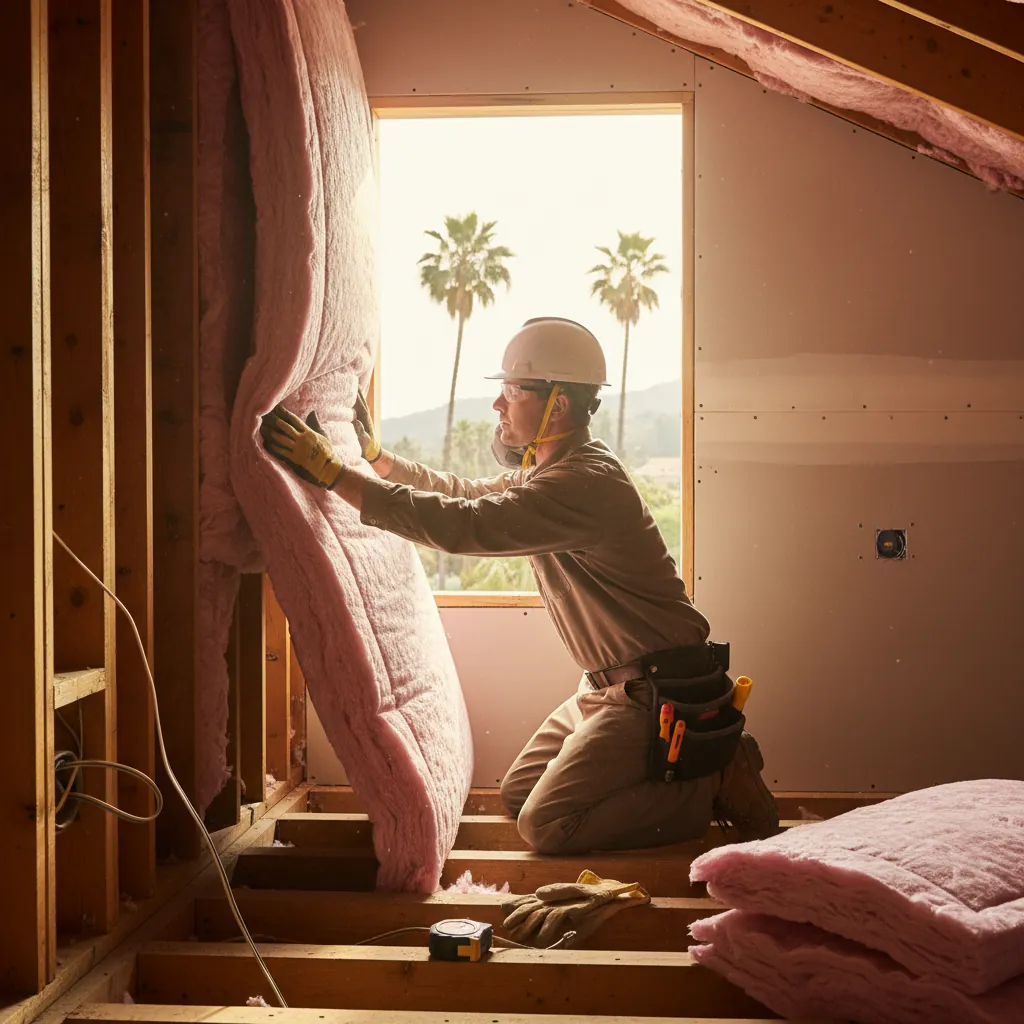
| Blown-In Attic Insulation (Fiberglass or Cellulose) | $1,800 - $3,500 | Typical for a 1,200 to 1,800 sq ft classic San Fernando home, depending on target R-value (typically aiming for R-38 or R-49 for Valley heat). |
| Attic Air Sealing | $600 - $1,500 | Often performed alongside insulation upgrades to block hot air leaks from the living space into the attic. |
| Old Insulation Removal | $1,000 - $2,200 | Necessary if existing materials are water-damaged, contaminated by pests, or compacted past their useful lifespan. |
| Crawlspace/Underfloor Insulation | $1,500 - $3,000 | Highly recommended for homes with raised foundations to prevent draftiness and ground moisture rising from clay-heavy soil. |
Typical market ranges for the Greater Los Angeles area, not a quote or a guarantee. The price of your job depends on its scope, so ask each pro for a written estimate before you decide.
ContractorPro.Leads doesn't do the work itself. We match San Fernando homeowners with local companies, and a company has to pass these checks before it can receive any request.
These checks show the records as they stood when we reviewed them. Before you sign anything, look up the license yourself at cslb.ca.gov and ask the company for a current insurance certificate.
Whether you own a classic bungalow near Las Palmas Park, a ranch-style home off Brand Blvd, or a property closer to the bustling corridor of San Fernando Rd, local architectural styles vary but all share the same vulnerability to extreme Valley heat. Local insulation pros operate directly within the 91340 ZIP code, ensuring prompt service that respects the tight grid of our modest residential lots.
All home services in San Fernando
ZIP code we cover in San Fernando: 91340 See every neighborhood we serve
Tell us what you have in mind. We'll pass it to up to four checked local pros, and they'll contact you to talk it through.
Tell us about your projectMinor insulation replacements or top-offs typically do not require a permit. However, for extensive structural sealing or if you are integrating it into a larger remodel, you should verify requirements with the City of San Fernando Community Development Department, Building & Safety.
Yes. Because San Fernando residents receive electricity from Southern California Edison (SCE), you may qualify for smart thermostat, heat pump, or whole-house energy efficiency rebates when upgrading your insulation through participating contractors.
To combat the intense, dry Valley summers, the Department of Energy recommends insulating attics to R-38 or even R-49. This thick thermal barrier prevents heat radiating from your roof tiles from warming your ceiling.
Many homes in San Fernando feature raised wood-floor foundations over alluvial clay soils. If yours is one of them, insulating the underside of your floorboards with vapor-permeable batts helps keep floors warm in winter while managing ground moisture.
Late winter or early spring is ideal. Scheduling your installation before the intense triple-digit summer heat hits Brand Blvd ensures your home is fully protected before peak SCE electricity rates go into effect.
Yes. Sound dampening is a significant secondary benefit of high-quality insulation. Installing dense cellulose in attic spaces and exterior walls can noticeably reduce traffic noise from busy local corridors.
