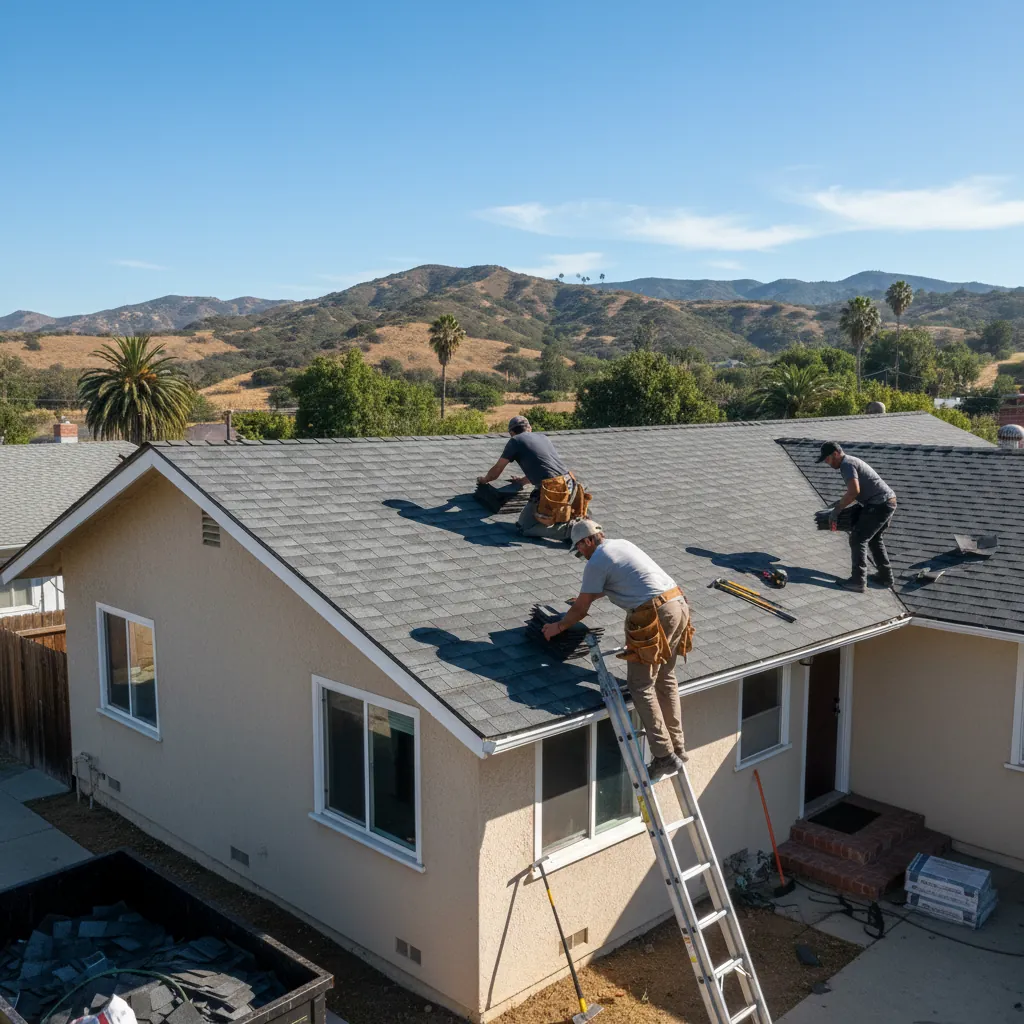
Typical San Fernando costs, permit steps and timelines are below. When you are ready, describe your project and up to four local roofers serving San Fernando will contact you. You compare and decide.
Maintaining a resilient roof in the City of San Fernando requires materials that can withstand the intense, dry heat of the northeast San Fernando Valley. Our platform connects you with experienced local roofing contractors who understand the unique structural needs of the area's classic mid-century and bungalow homes. These independent specialists provide detailed assessments to keep your home comfortable and protected year-round.
San Fernando's flat Valley floor layout exposes roofs to relentless, direct UV radiation, which rapidly degrades standard asphalt shingles and causes thermal shock.
Furthermore, the surrounding alluvial fan soils with clay pockets can lead to minor structural settling over decades, shifting framing slightly and putting stress on older roof joints. Navigating these climate and structural realities requires a contractor who knows how to choose high-reflectivity materials that comply with Southern California's strict Title 24 cool roof requirements.
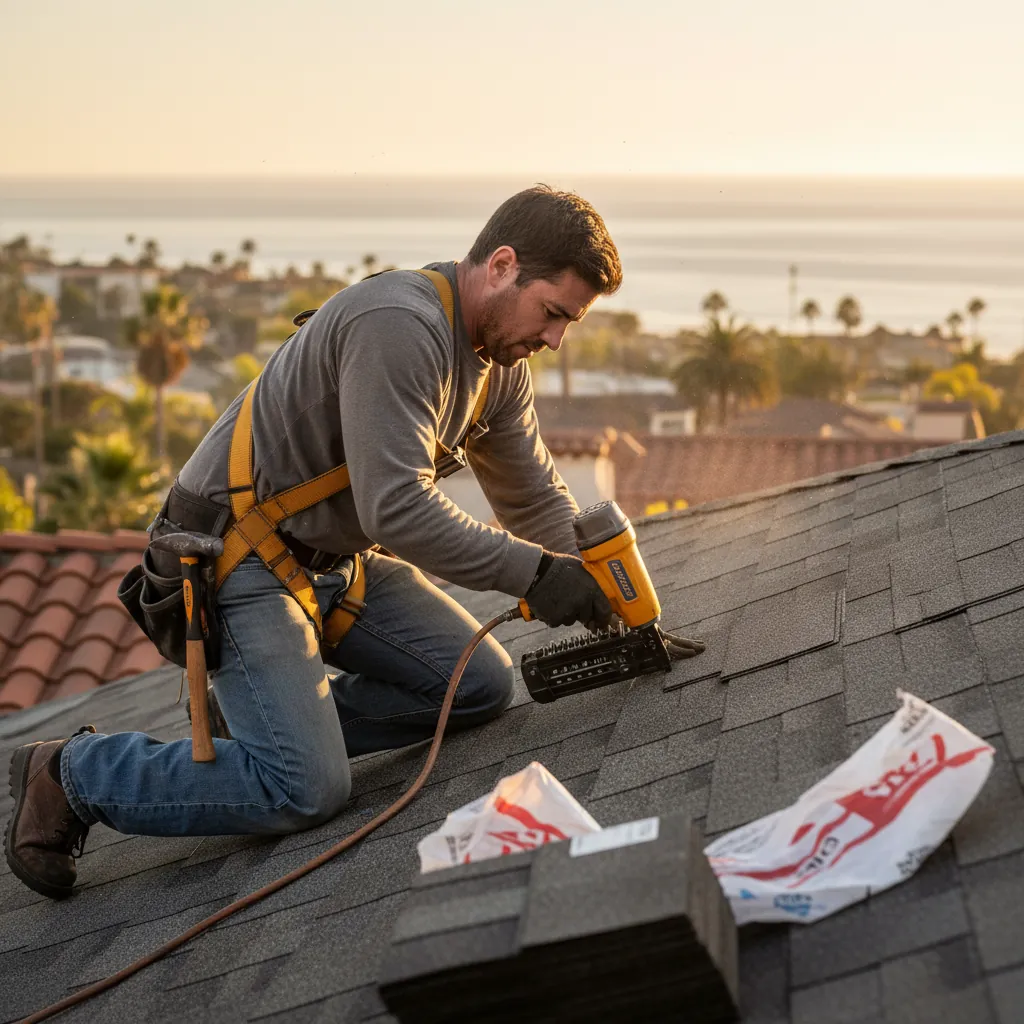
Reflects standard modest-sized single-story homes typical of San Fernando's flat residential grid, utilizing Title 24 compliant reflective shingles.
Often driven by dried-out flashing or cracked valley seals damaged by persistent dry heat and minor clay soil settling.
Highly recommended in San Fernando to prevent extreme attic heat buildup from putting extra strain on Southern California Edison AC systems.
Typical market ranges for the Greater Los Angeles area, not a quote or a guarantee. The price of your job depends on its scope, so ask each pro for a written estimate before you decide. Bars share one scale, so you can compare project sizes.
Initial roof inspection to assess UV damage, decking integrity, and structural settling
Securing required building permits from the City of San Fernando Building & Safety division
Careful tear-off of old materials and inspection of the underlying wooden deck
Installation of high-grade underlayment and heavy-duty drip edges
Laying of cool-roof rated shingles or tiles, ensuring proper ventilation alignment
Final clean-up and a thorough inspection to verify compliance with local building codes
ContractorPro.Leads doesn't do the work itself. We pass your San Fernando project to up to four local roofers who take this kind of job, and you decide whether to hire any of them.
From the quiet residential blocks near Las Palmas Park to the historic properties closer to Brand Blvd and the bustling commercial stretch along San Fernando Rd, the homes in this independent, flat grid have distinct architectural characters. Roofers working in these tight grids manage compact lot setups with care, ensuring staging and material delivery don't disrupt the narrow streets and close-knit neighborhood layout.
Tell us what you have in mind. We'll pass it to up to four local pros, and they'll contact you to talk it through.
Yes, the City of San Fernando Community Development Department, Building & Safety division requires a building permit for all reroofing projects to ensure structural safety and compliance with California's energy codes.
Yes. Under California Title 24 energy standards, residential reroofing projects in this climate zone must use solar-reflective 'cool roof' materials to help lower energy consumption.
Permits are typically issued quickly at the City Hall counter for standard reroofs, but scheduling the final physical inspection with San Fernando Building & Safety can take a few business days depending on their current caseload.
Intense heat and constant sun exposure can cause standard asphalt shingles to blister, dry out, and crack prematurely. Choosing high-quality, UV-resistant materials is critical for longevity in the northeast Valley.
While the city's water utility focuses on water conservation, installing a certified cool roof reduces your home's heat absorption, which directly lowers your Southern California Edison electricity bill by reducing air conditioning demand.
