Typical Pacific Palisades costs, permit steps and timelines are below. When you are ready, describe your project and up to four local HVAC contractors serving Pacific Palisades will contact you. You compare and decide.
Living between the Santa Monica Mountains and the Pacific Ocean requires home heating and cooling systems that can seamlessly handle both damp morning marine layers and dry canyon winds. We connect you with local HVAC contractors who understand the unique indoor air quality and climate control needs of Pacific Palisades properties.
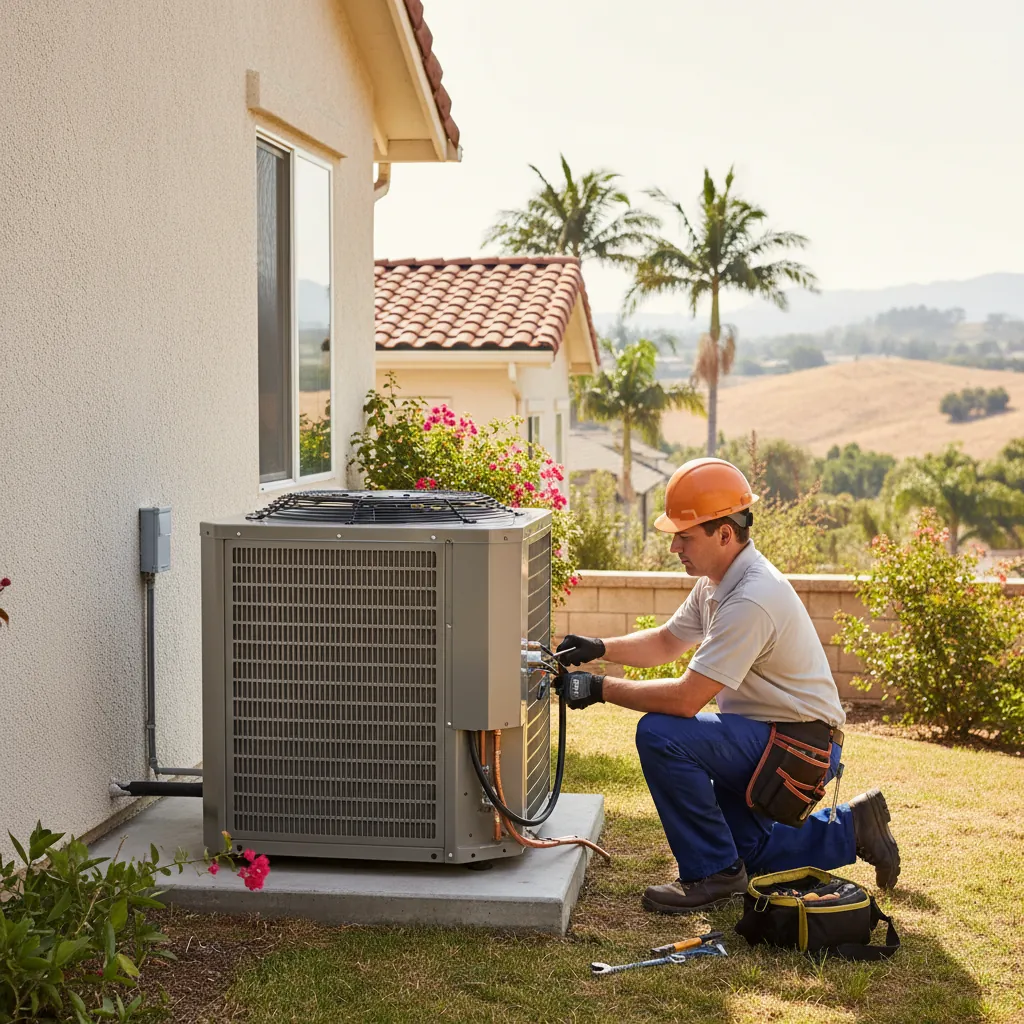
In Pacific Palisades, HVAC installation requires accounting for coastal salt-air corrosion on outdoor condenser units and strict fire safety regulations in Very High Fire Hazard Severity Zones.
Heavy outdoor equipment must be carefully positioned and anchored on stable ground, avoiding unstable bluff soils and canyon slopes prone to movement. Furthermore, indoor air filtration is critical here to safeguard your home against canyon wildfire smoke, high seasonal pollen, and coastal humidity.
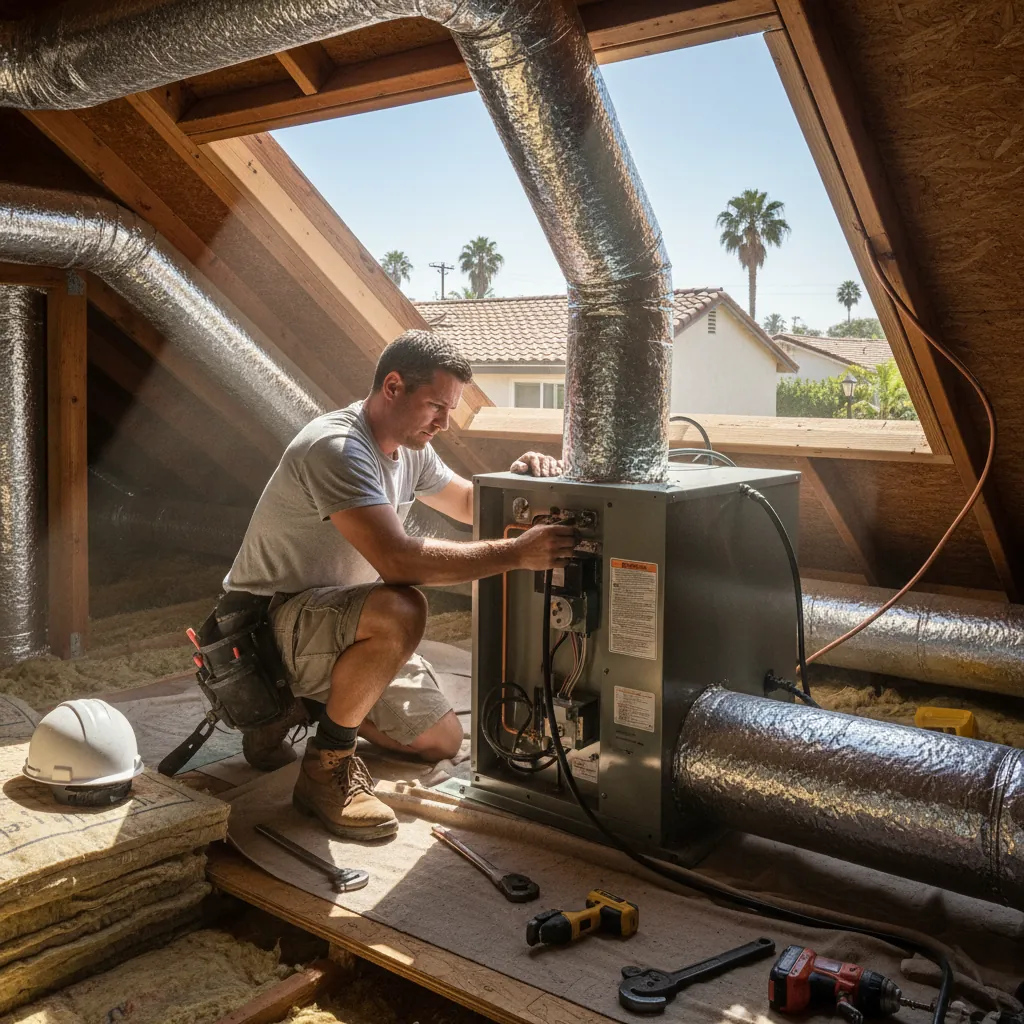
Varies based on system capacity, zoning requirements for multi-level canyon homes, and integration with existing ductwork.
Includes specialized coastal-grade coatings to protect copper coils from salt spray and humidity near the bluffs.
Installation of HEPA or high-MERV media filters to safeguard against seasonal wildfire smoke and coastal pollen.
Essential for older properties near Sunset Blvd to improve efficiency and maintain balanced air pressure.
Typical market ranges for the Greater Los Angeles area, not a quote or a guarantee. The price of your job depends on its scope, so ask each pro for a written estimate before you decide. Bars share one scale, so you can compare project sizes.
Conduct a comprehensive Manual J load calculation to size the system correctly for your home's microclimate.
Assess outdoor unit placement to ensure compliance with local hillside setback rules and wildfire clearance codes.
Inspect and seal existing ductwork to prevent energy loss and block canyon dust or pollen from entering the airflow.
Install the new energy-efficient HVAC system, utilizing marine-grade brackets and corrosion-resistant materials.
Verify electrical connections and set up smart thermostats for precise zone control.
File the necessary LADBS permit paperwork and coordinate the required third-party HERS duct testing.
ContractorPro.Leads doesn't do the work itself. We pass your Pacific Palisades project to up to four local HVAC contractors who take this kind of job, and you decide whether to hire any of them.
Whether you own a mid-century architectural home near Temescal Canyon or a modern estate just steps from the bustling Palisades Village, local climate patterns vary significantly from the beach up to the ridges. Homes closer to Sunset Blvd often experience distinct microclimates, requiring multi-zone HVAC setups or heat pumps that can adapt to rapid temperature shifts as the ocean fog rolls in.
Tell us what you have in mind. We'll pass it to up to four local pros, and they'll contact you to talk it through.
Yes. The Los Angeles Department of Building and Safety (LADBS) requires permits for all new heating and air conditioning installations or major replacements in the City of Los Angeles to ensure compliance with structural, electrical, and energy codes.
Express permits for standard HVAC replacements can often be issued quickly online, but final inspections typically require scheduling 1 to 2 weeks post-installation. If your home is on a landslide-prone bluff or a steep hillside, additional structural reviews for outdoor equipment placement may apply.
Yes, the Los Angeles Department of Water and Power (LADWP) offers attractive rebates for qualifying high-efficiency central air conditioners and heat pumps. Local contractors can help you select qualified equipment and guide you through the application process.
The high humidity and salt content from the ocean air accelerate rust and corrosion on standard outdoor units. Investing in coastal-grade systems with coated coils and stainless-steel hardware is highly recommended to prevent premature system failure along the bluffs.
Homes situated in areas like Temescal Canyon are exposed to concentrated canyon winds, high pollen counts, and increased wildfire risks. Upgrading to a MERV 13 or HEPA filtration system helps trap microparticles and smoke, keeping your indoor air clean and healthy.
