Your request goes to up to four local pros serving Pacific Palisades. Before any of them can receive it, we check their license where the work requires one, their business address.
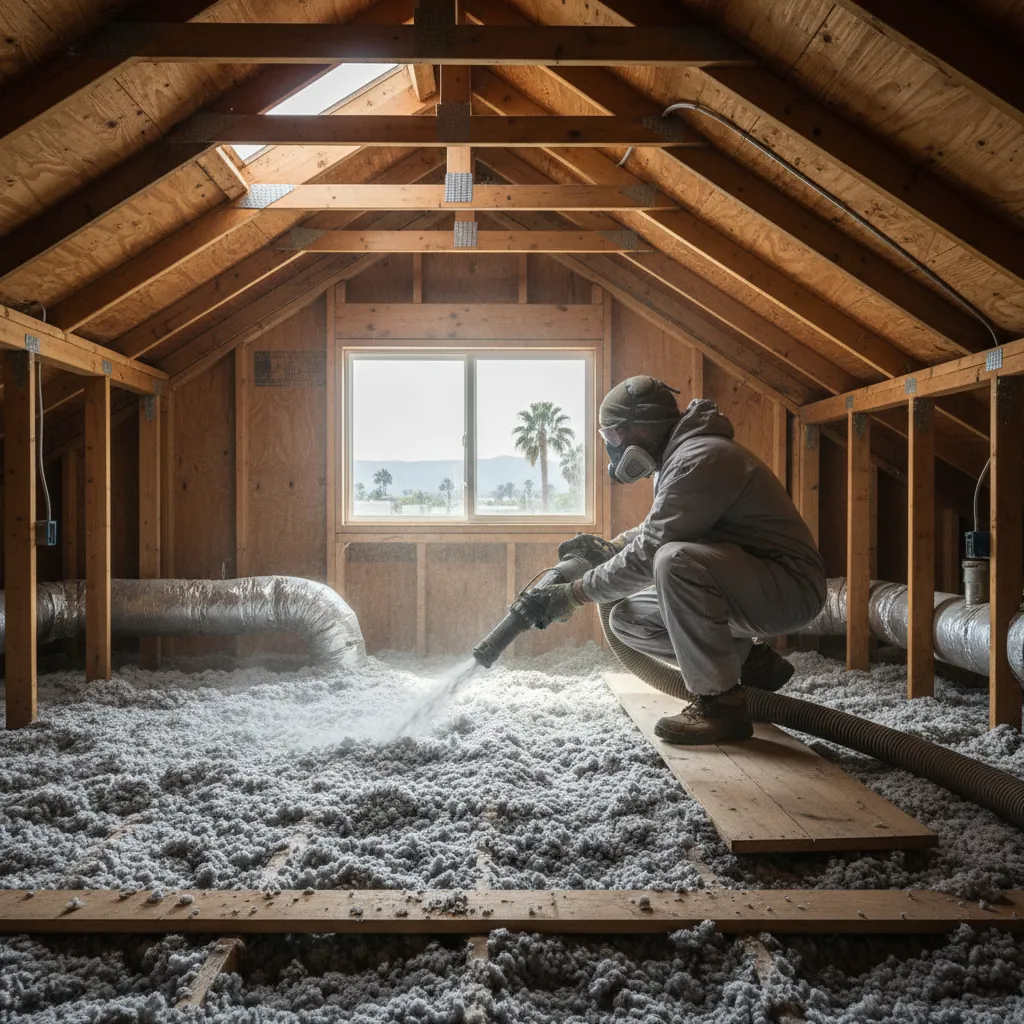
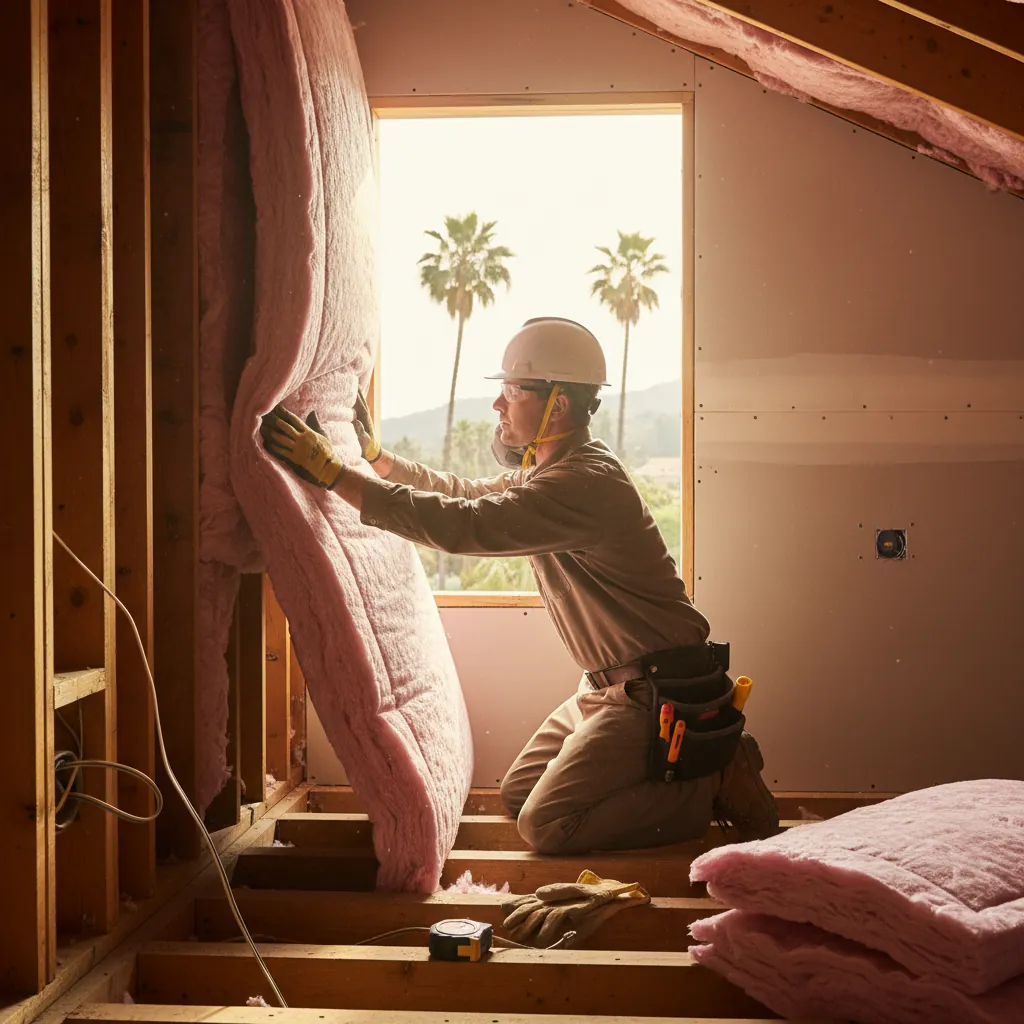
Nestled between the Santa Monica Mountains and the Pacific, homes in Pacific Palisades experience a unique mix of ocean breezes, canyon humidity, and seasonal temperature swings. Managing indoor climate while safeguarding your property requires specialized insulation strategies tailored to our local topography. We connect you with qualified local contractors who understand how to optimize your home's thermal boundary for comfort, energy savings, and safety.
Because much of Pacific Palisades lies within a designated Very High Fire Hazard Severity Zone, choosing the right insulation material is a matter of home survival, not just energy efficiency. Homes perched along the coastal bluffs or tucked into Temescal Canyon also face high subfloor humidity and marine layer moisture, which can lead to mold if crawl spaces aren't properly insulated and sealed. Additionally, any major insulation retrofit must align with the strict energy efficiency and fire safety mandates enforced by the Los Angeles Department of Building and Safety (LADBS).
| Project | Typical range | What affects it locally |
|---|---|---|
| Attic Air Sealing & Cellulose Top-off | $2,200 - $4,500 | Typical for a standard-sized home near Sunset Blvd; addresses common drafts and optimizes existing insulation layers. |
| Fire-Resistant Mineral Wool Wall/Attic Install | $3,500 - $7,000 | Recommended for homes in the canyon fire hazard zones; costs vary based on accessibility and total square footage. |
| Crawl Space Vapor Barrier & Insulation | $1,800 - $3,800 | Crucial for bluff-side homes to combat marine layer humidity and prevent rising dampness from canyon soils. |
Typical market ranges for the Greater Los Angeles area, not a quote or a guarantee. The price of your job depends on its scope, so ask each pro for a written estimate before you decide.
ContractorPro.Leads doesn't do the work itself. We match Pacific Palisades homeowners with local companies, and a company has to pass these checks before it can receive any request.
These checks show the records as they stood when we reviewed them. Before you sign anything, look up the license yourself at cslb.ca.gov and ask the company for a current insurance certificate.
From the architecturally diverse mid-century homes lining the winding streets near Sunset Blvd to the newer coastal estates surrounding Palisades Village, the neighborhood's microclimates vary. A home situated high on a mesa faces intense afternoon sun, while a property nestled deeper in Temescal Canyon deals with damp, shaded mornings. Local insulation professionals design custom solutions—ranging from non-combustible rockwool in fire-prone canyon boundaries to specialized vapor barriers in bluff-side crawl spaces—to address these highly specific microclimates.
All home services in Pacific Palisades
ZIP code we cover in Pacific Palisades: 90272 See every neighborhood we serve
Tell us what you have in mind. We'll pass it to up to four checked local pros, and they'll contact you to talk it through.
Tell us about your projectFor simple retrofits and topping off existing insulation, a formal permit is often not required. However, if you are doing a major remodel, replacing wall sheathing, or converting an attic space, the Los Angeles Department of Building and Safety (LADBS) requires permits and inspections to ensure compliance with California Title 24 energy standards.
Yes, the Los Angeles Department of Water and Power (LADWP) periodically offers rebates for qualifying attic insulation upgrades. To secure these savings, the insulation must meet specific R-value improvements and be installed by a licensed contractor.
Mineral wool is highly recommended for Pacific Palisades homes. Made from volcanic rock and slag, it is naturally non-combustible, tolerates temperatures over 2,000 degrees Fahrenheit, and acts as an effective fire barrier, unlike some foam products.
The marine layer brings high humidity to the Palisades, especially in canyon pockets. Moisture can degrade traditional fiberglass batts and lead to mold. Installing a vapor retarder alongside moisture-resistant insulation in crawl spaces and walls is vital to prevent structural decay.
Most residential insulation jobs, such as attic air sealing and blowing in new cellulose, are completed in one to two days. Larger homes on the mesas or those requiring extensive old insulation removal can take three to four days to complete safely.
