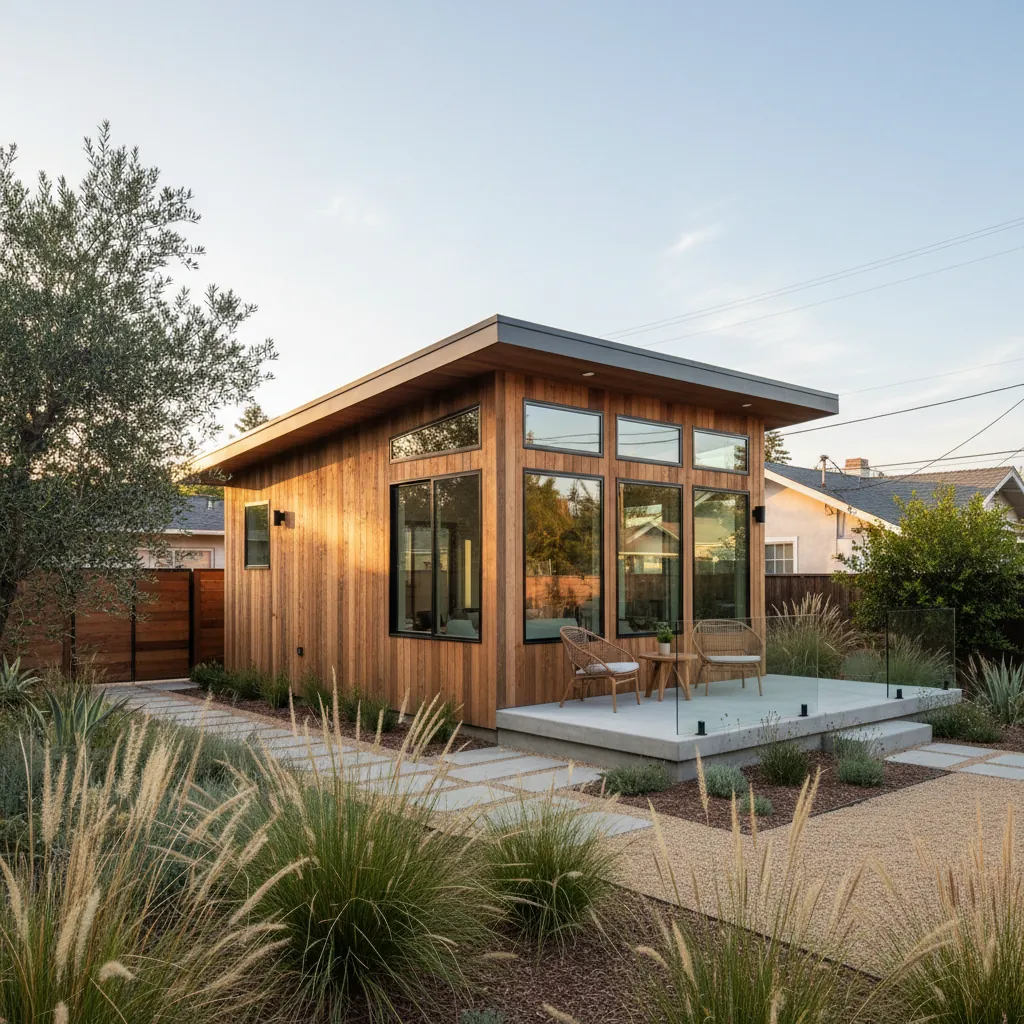
Typical La Crescenta-Montrose costs, permit steps and timelines are below. When you are ready, describe your project and up to four local ADU builders serving La Crescenta-Montrose will contact you. You compare and decide.
Conduct a property survey to map slope gradients, property lines, and existing utilities.
Draft architectural plans complying with LA County's accessory dwelling unit ordinances.
Submit structural and grading plans to the LA County Public Works, Building and Safety Division.
Obtain necessary approvals and meter checks from the Crescenta Valley Water District.
Execute site preparation, including rocky soil excavation and engineered foundation pouring.
Complete fire-resilient framing, utility hookups, interior finishing, and final county inspection.
Reflects typical Southern California labor and material costs; higher-end pricing is common due to engineering requirements for sloping lots and rocky alluvial soil excavation.
Utilizing existing structural envelopes reduces foundation work, though retrofitting for current energy standards and fire-resistant materials is still required.
Specific to sloping parcels in La Crescenta; structural engineering and specialized concrete footings are necessary to secure structures against slope movement.
Typical market ranges for the Greater Los Angeles area, not a quote or a guarantee. The price of your job depends on its scope, so ask each pro for a written estimate before you decide. Bars share one scale, so you can compare project sizes.
Nestled in the scenic valley between the San Gabriel Mountains and the Verdugo Hills, La Crescenta-Montrose offers a unique foothill lifestyle where multi-generational living is highly valued. Adding an accessory dwelling unit (ADU) is an excellent way to maximize your property's footprint, whether you are hosting family or seeking rental income. We connect you with local contractors who understand how to design and build stunning, functional secondary homes tailored to our specific foothill terrain.
Building in La Crescenta-Montrose means navigating the sloping alluvial fan terrain at the base of the mountains, which often requires specialized retaining walls and structural engineering.
The rocky, fast-draining alluvial-fan soils demand rigorous foundation design, while the region's High Fire Hazard Severity Zone classification requires strict adherence to wildfire-resilient construction materials. Additionally, navigating the permitting process with the Unincorporated Los Angeles County — LA County Public Works, Building and Safety Division requires precise planning to meet hillside design guidelines.
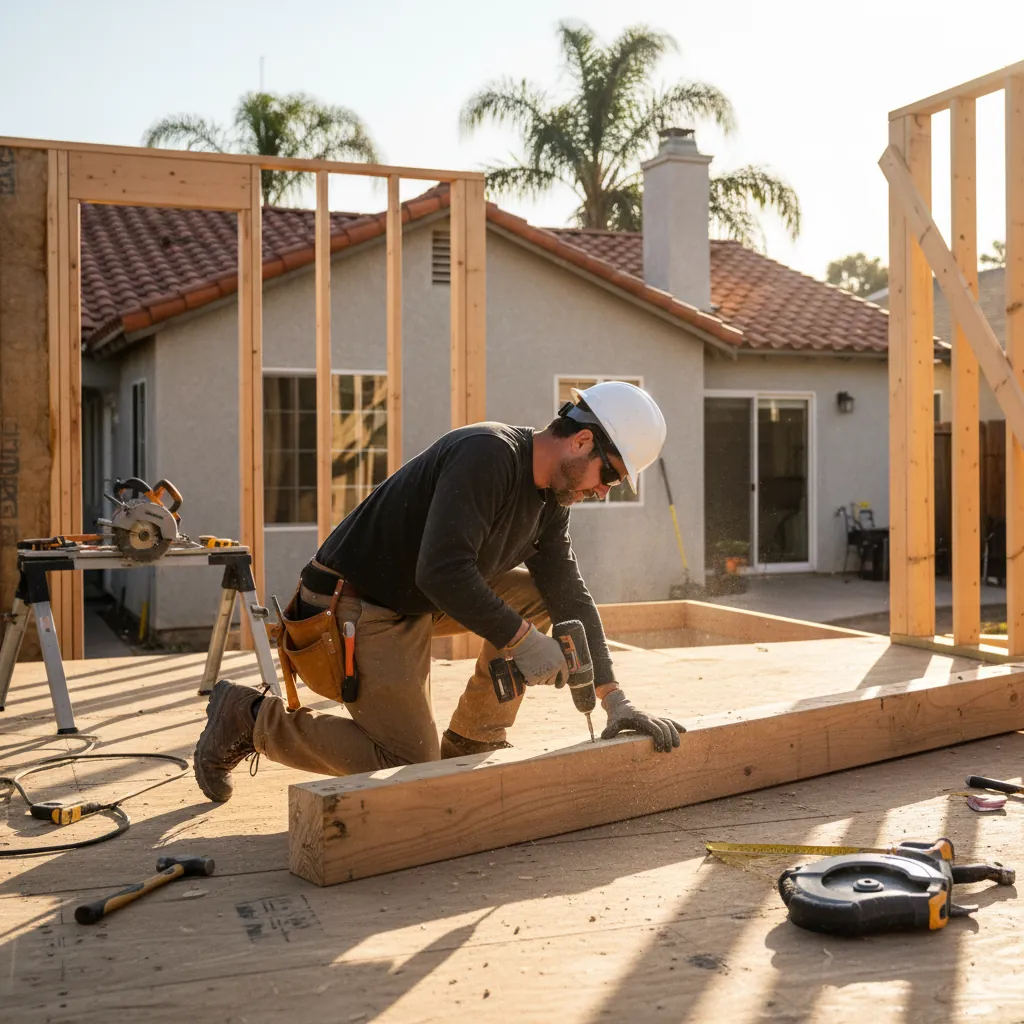
ContractorPro.Leads doesn't do the work itself. We pass your La Crescenta-Montrose project to up to four local ADU builders who take this kind of job, and you decide whether to hire any of them.
Whether your home is tucked away in the foothills near Crescenta Valley Park or situated closer to the bustling shops along Honolulu Avenue and Foothill Boulevard, local building projects require a keen understanding of the neighborhood's layout. Properties here transition quickly from gentle slopes to steep inclines, meaning an ADU built near the main corridors will face vastly different structural requirements than one nestled higher up near the Angeles National Forest boundary.
Tell us what you have in mind. We'll pass it to up to four local pros, and they'll contact you to talk it through.
For properties in unincorporated La Crescenta-Montrose, plans must be submitted to the Unincorporated Los Angeles County — LA County Public Works, Building and Safety Division. The plan check process typically takes 3 to 6 months, depending on the complexity of your hillside design and the completeness of the initial submittals.
Yes. Because La Crescenta lies near the San Gabriel Mountains, much of the area is designated as a High Fire Hazard Severity Zone. ADUs built here must comply with strict Chapter 7A California Building Code requirements, utilizing ignition-resistant materials, specialized venting, and fire-rated windows.
Building on an alluvial slope requires robust foundation engineering. Contractors often need to excavate rocky soil, install retaining walls, or use deepened concrete footings to ensure stability, which can add $15,000 to $45,000 to the initial site preparation costs compared to flat lots.
Your ADU must comply with Crescenta Valley Water District's conservation rules. This includes installing low-flow fixtures, drought-tolerant landscaping for any new outdoor areas, and potentially upgrading your main meter if your total fixture count exceeds existing capacity.
ContractorPro.Leads doesn't check licenses or insurance, so take a few minutes before you sign. Look up the company's license at cslb.ca.gov and confirm it is active and covers this type of work. Ask for current certificates of general liability insurance and, if the company has employees, workers' compensation. Then get a written contract that says who pulls the LA County Public Works, Building and Safety Division permits.
Under LA County zoning ordinances, two-story ADUs are permitted under specific conditions, subject to height limits—typically up to 18-20 feet depending on local state-law overrides and setbacks. Your designer will need to ensure the upper story respects neighbor privacy and complies with local hillside zoning guidelines.
