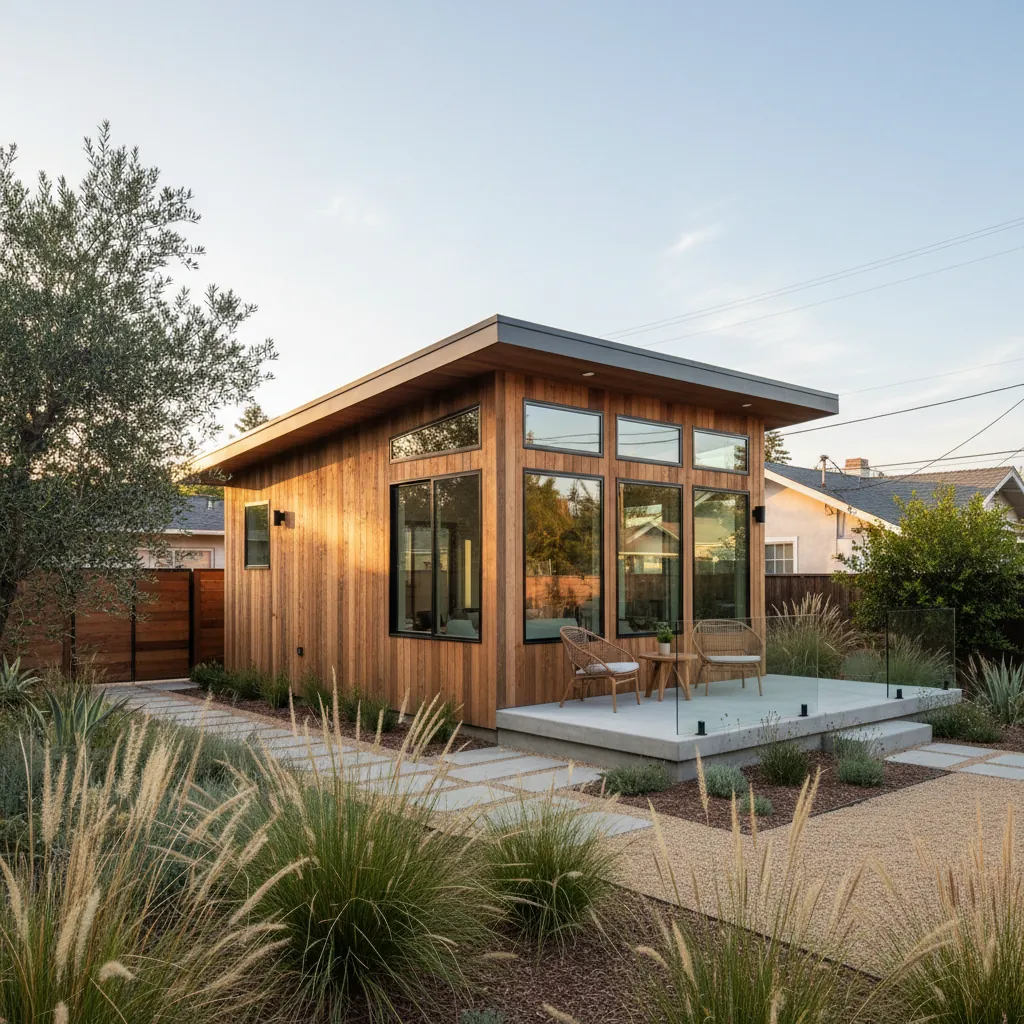
Typical La Cañada Flintridge costs, permit steps and timelines are below. When you are ready, describe your project and up to four local ADU builders serving La Cañada Flintridge will contact you. You compare and decide.
Site assessment and boundary survey to identify hillside slope angles and native tree protection zones.
Geotechnical soil investigation to determine foundation engineering requirements for rocky alluvial soil.
Architectural drafting and structural design tailored to Wildland-Urban Interface (WUI) fire-safety standards.
Plan check submission and permit processing through the City of La Cañada Flintridge Building & Safety department.
Site preparation, grading, and utility connection coordination with local water and power districts.
Framing, fire-safe exterior installation, interior finishing, and final municipal inspections.
Steep slopes and rocky alluvial soils near the mountains require specialized engineering, retaining walls, or caissons.
Reflects local labor rates and the cost of premium, fire-resistant materials required for WUI zones.
Lower entry cost, though utility trenching and retrofitting for structural shear walls in hillside areas can affect the final price.
Includes City of La Cañada Flintridge Building & Safety fees, environmental reviews, and school district developer fees.
Typical market ranges for the Greater Los Angeles area, not a quote or a guarantee. The price of your job depends on its scope, so ask each pro for a written estimate before you decide. Bars share one scale, so you can compare project sizes.
Adding an accessory dwelling unit to your property in La Cañada Flintridge requires a careful balance of architectural design and environmental stewardship. Whether you are planning a hillside guest cottage or converting an existing structure near Foothill Blvd, our platform connects you with experienced local builders who understand the unique demands of our community.
Building an ADU in our foothill terrain below the San Gabriel Mountains means addressing complex hillside soils and rocky alluvial deposits, which often require engineered foundations or deep caissons.
Additionally, properties bordering the Angeles Crest Hwy corridor must strictly adhere to Wildland-Urban Interface (WUI) building codes to mitigate high wildfire risks. Navigating these specialized structural and fire-safety requirements is critical to securing approvals from the City of La Cañada Flintridge Building & Safety department.
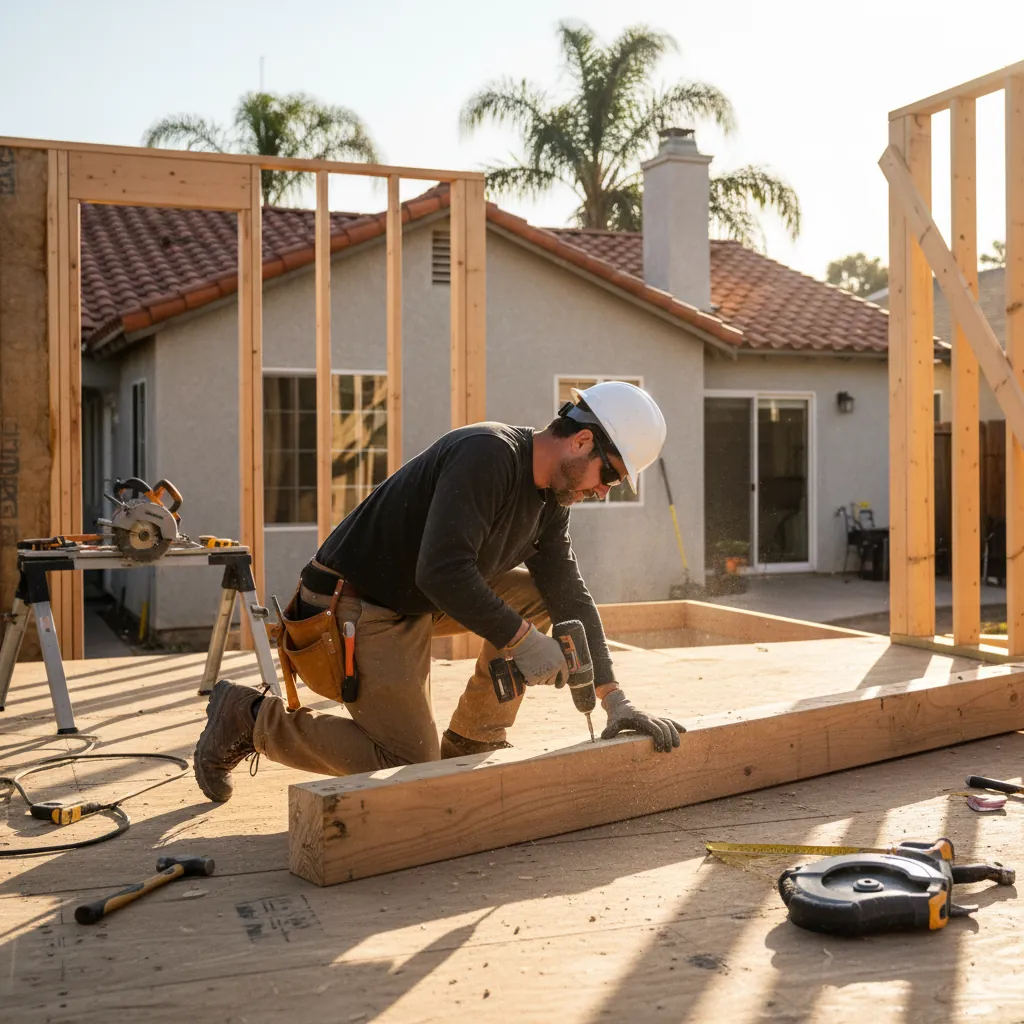
ContractorPro.Leads doesn't do the work itself. We pass your La Cañada Flintridge project to up to four local ADU builders who take this kind of job, and you decide whether to hire any of them.
Our neighborhood's unique geography, stretching from the lush, shaded properties near Descanso Gardens to the steep slopes rising toward the Angeles Crest Highway, shapes every construction project. Along the Foothill Blvd corridor, properties transition from expansive oak-canopied flatlands to challenging hillside parcels. Local ADU projects must blend seamlessly with this natural beauty while respecting strict local water conservation rules and native tree protection ordinances.
Tell us what you have in mind. We'll pass it to up to four local pros, and they'll contact you to talk it through.
The City of La Cañada Flintridge Building & Safety department typically reviews initial ADU plan submittals within 60 days. However, complex hillside properties or those requiring native tree reviews may require additional correction cycles, bringing total permitting to 4 to 6 months.
Yes. Properties near the Angeles Crest Highway and foothill zones are often classified as High Fire Hazard Severity Zones. ADUs here must comply with Chapter 7A of the California Building Code, which mandates dual-paned tempered glass, non-combustible siding, and fire-rated roofing.
The Foothill Municipal Water District and Valley Water Company enforce strict conservation standards. Your ADU will need ultra-low-flow plumbing fixtures, and any new landscaping must comply with local water-efficient landscape ordinances, prioritizing drought-tolerant plants.
La Cañada Flintridge heavily protects native oak and sycamore trees. ADU footprints must respect the tree canopy and root zones, often requiring an arborist's report and protective fencing during construction to secure city approval.
No, but it does require specialized engineering. Contractors in our area are experienced with the foothill terrain and will design stepped foundations, retaining walls, or deep-drilled caissons to anchor the structure safely into the hillside.
