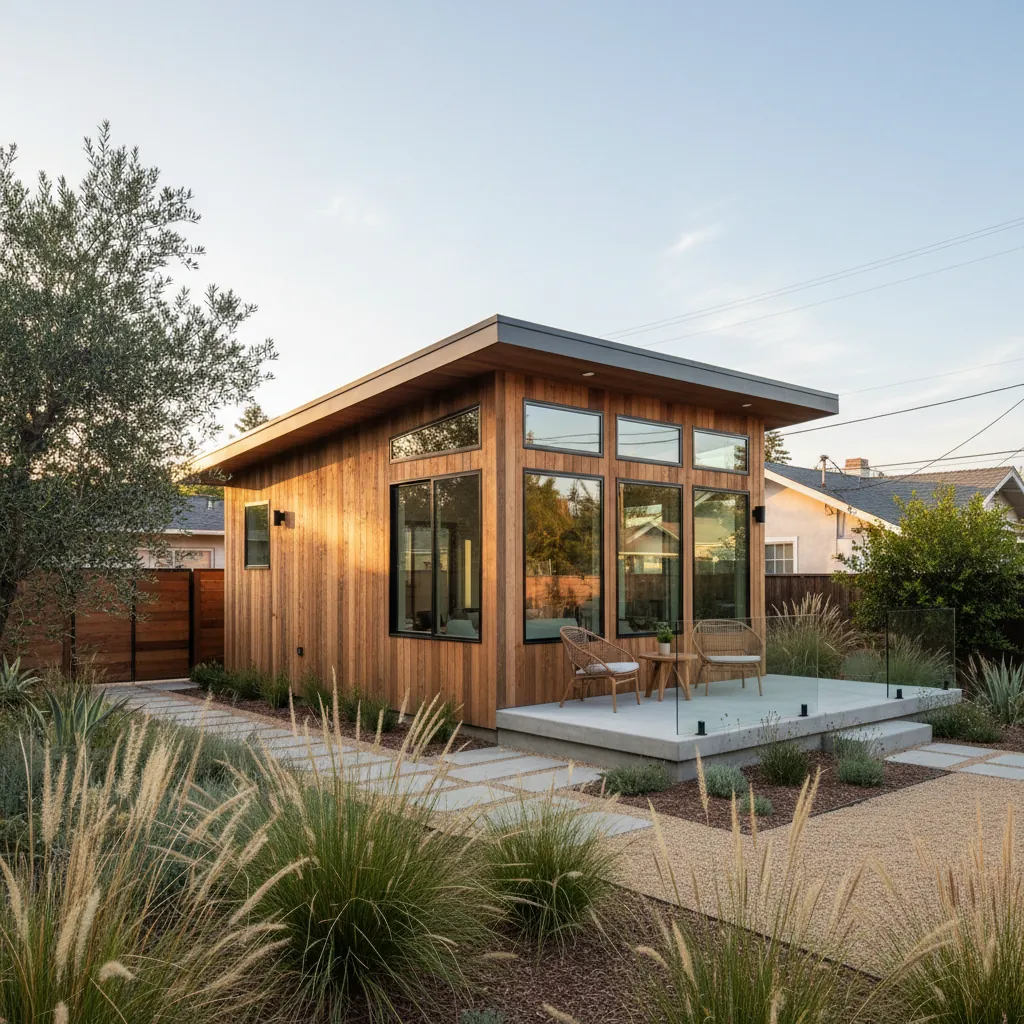
Typical Altadena costs, permit steps and timelines are below. When you are ready, describe your project and up to four local ADU builders serving Altadena will contact you. You compare and decide.
Conduct a professional land survey to map slopes, utility easements, and exact property boundaries.
Submit architectural plans to the LA County Public Works, Building and Safety Division for plan check.
Obtain approvals from your specific local mutual water company and sanitation district.
Prepare the site with specialized rocky-soil excavation and engineered grading if sloped.
Construct the foundation and framing using fire-rated materials compliant with Chapter 7A codes.
Complete final inspections with LA County inspectors to secure your Certificate of Occupancy.
Costs vary based on the slope of your Altadena lot and the extent of foundation engineering required for alluvial soils.
Existing structures must be retrofitted to meet current seismic and Title 24 energy standards, which can vary depending on age.
Highly dependent on the slope of the lot near the San Gabriel foothills and the presence of subterranean granite boulders.
Typical market ranges for the Greater Los Angeles area, not a quote or a guarantee. The price of your job depends on its scope, so ask each pro for a written estimate before you decide. Bars share one scale, so you can compare project sizes.
Nestled right against the San Gabriel Mountains, Altadena properties offer generous lot sizes but unique building conditions. Whether you are planning a backyard cottage for multi-generational living or a rental unit to offset living costs, navigating local foothill requirements is essential.
Building an ADU on Altadena's sloping alluvial fan requires addressing rocky, highly permeable soils that complicate excavation and foundation design.
Because much of the area sits within a High Fire Hazard Severity Zone, structures must comply with strict Chapter 7A wildland-urban interface (WUI) fire-safe building standards, including ignition-resistant materials and specialized eave venting to withstand intense downslope winds.
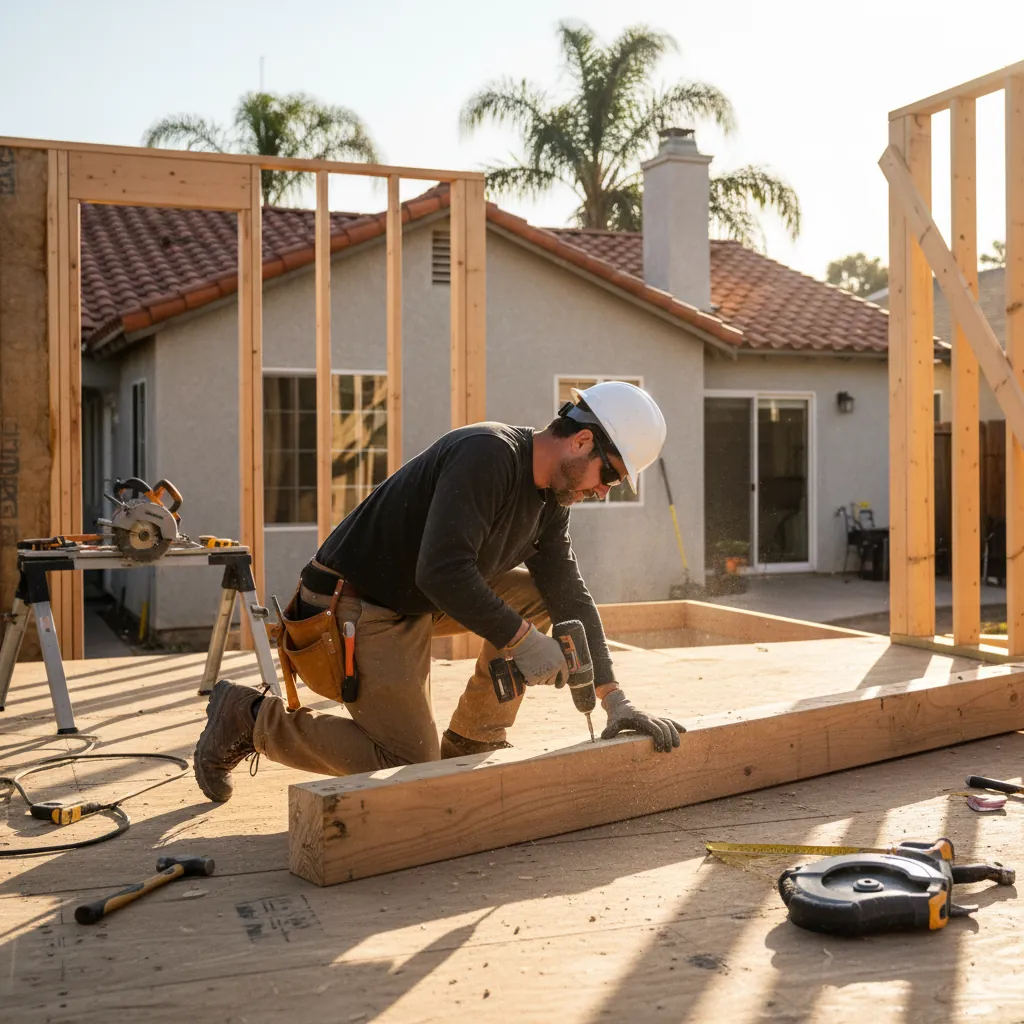
ContractorPro.Leads doesn't do the work itself. We pass your Altadena project to up to four local ADU builders who take this kind of job, and you decide whether to hire any of them.
From the historic properties near Christmas Tree Lane to the larger hillside lots extending past Altadena Dr and Lake Ave, each pocket of Altadena has its own set of setbacks and easement realities. Many homes here rely on local mutual water companies rather than a single municipal provider, meaning ADU planning must account for specific local water district flow requirements and conservation-focused landscaping rules.
Tell us what you have in mind. We'll pass it to up to four local pros, and they'll contact you to talk it through.
Because Altadena is an unincorporated area, permitting is handled by the Los Angeles County Public Works, Building and Safety Division, rather than a municipal city hall.
Plan check and permitting through LA County Public Works generally takes 4 to 8 months, depending on the complexity of your site's grading plans and any environmental or oak tree preservation reviews.
Yes. Much of Altadena is designated as a Very High Fire Hazard Severity Zone (VHFHSZ). ADUs here must feature ignition-resistant siding, tempered dual-pane windows, and enclosed eaves to prevent ember intrusion during downslope wind events.
Altadena is served by multiple mutual water companies (like Rubio Cañon or Las Flores) rather than a single municipal utility. You must obtain a sign-off showing your ADU complies with their specific flow-test and conservation standards.
Yes, but it requires specialized structural engineering. Local builders design stepped footings or retaining walls to anchor the ADU securely into the alluvial-fan slope of the San Gabriel foothills.
