Typical Monrovia costs, permit steps and timelines are below. When you are ready, describe your project and up to four local patio cover builders serving Monrovia will contact you. You compare and decide.
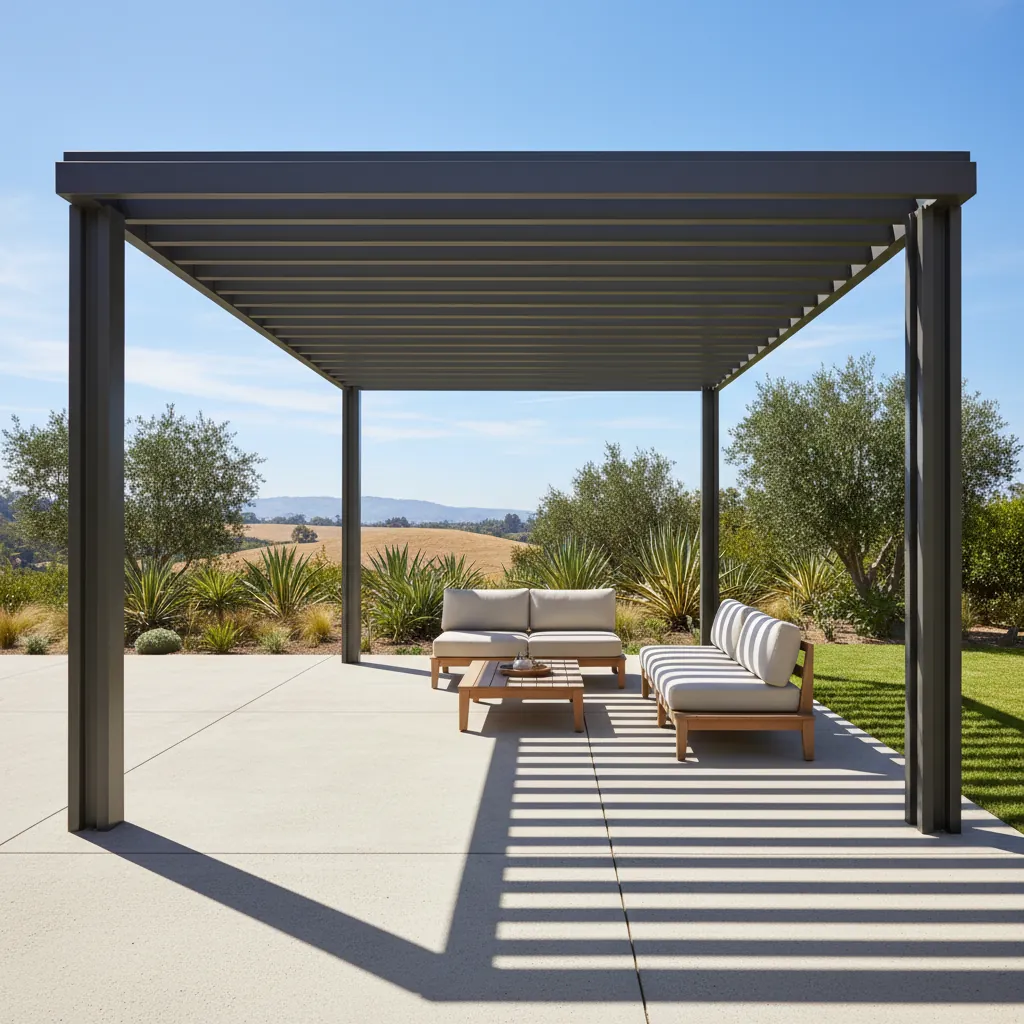
A Monrovia patio can sit in full sun for much of a summer afternoon. We connect 91016 homeowners with local contractors who build solid and lattice patio covers, pergolas and shade structures.
Attached covers have to tie into the house properly, which can be tricky on older Craftsman and Victorian homes with original rafters or low eaves.
In northern foothill areas within fire hazard zones, noncombustible or ember-resistant materials such as aluminum are worth considering. Most attached covers need a permit through the City of Monrovia Building Division, and historic homes may need design review for visible additions.
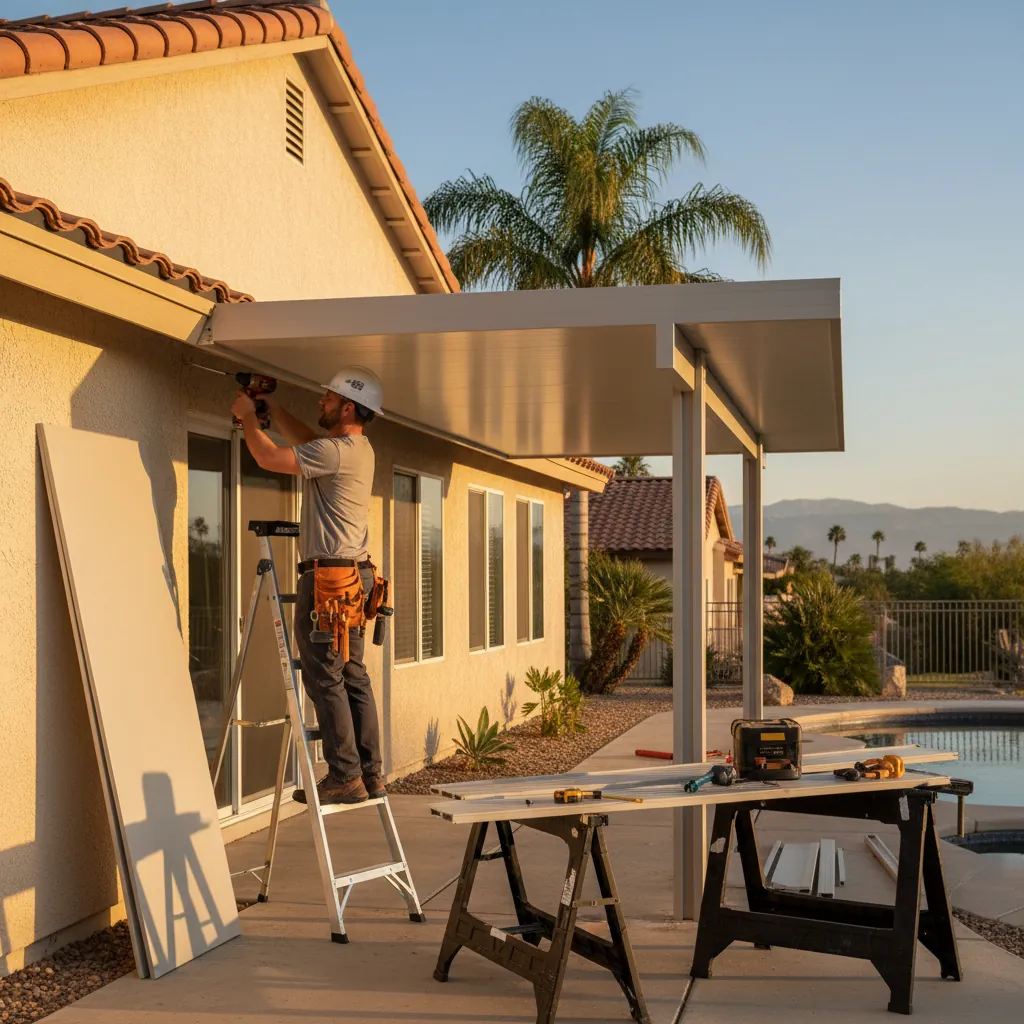
Engineered footings are required.
Blocks the most heat.
Adjustable shade and rain protection.
Requires an electrical permit.
Typical market ranges for the Greater Los Angeles area, not a quote or a guarantee. The price of your job depends on its scope, so ask each pro for a written estimate before you decide. Bars share one scale, so you can compare project sizes.
Site visit and design.
Engineering for footings and attachment.
Permit from City of Monrovia Building Division.
Footings and inspection.
Cover installation and electrical work.
Final inspection.
ContractorPro.Leads doesn't do the work itself. We pass your Monrovia project to up to four local patio cover builders who take this kind of job, and you decide whether to hire any of them.
Builders install covers on homes from the bungalow streets around Myrtle Avenue to houses along Foothill Boulevard with views of the San Gabriel Mountains.
Tell us what you have in mind. We'll pass it to up to four local pros, and they'll contact you to talk it through.
Attached and larger freestanding covers usually do; the City of Monrovia Building Division can confirm what your project needs.
Solid covers block more heat and rain, while lattice gives filtered light; many homeowners combine both.
Aluminum and other noncombustible materials are often preferred in fire hazard areas, so ask installers about options.
