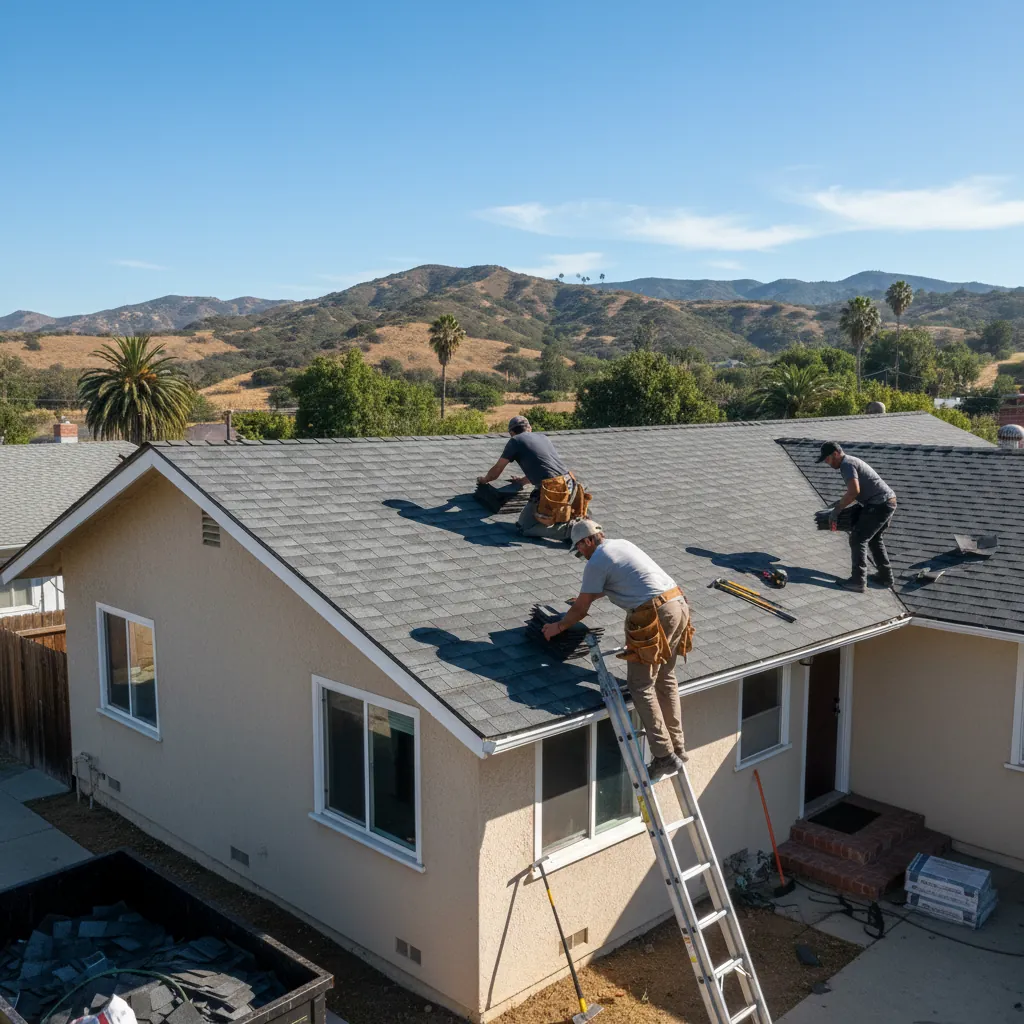
Typical Valley Glen costs, permit steps and timelines are below. When you are ready, describe your project and up to four local roofers serving Valley Glen will contact you. You compare and decide.
Homeowners in Valley Glen enjoy a peaceful residential haven, but the intense San Fernando Valley sun can take a heavy toll on residential roofs. Whether you live near Los Angeles Valley College or closer to the Burbank Boulevard corridor, maintaining a durable, heat-resistant roof is essential for keeping your indoor cooling costs manageable. We connect you with qualified local roofing contractors who understand the unique structural and climatic demands of homes in the 91405 ZIP code.
Located on the flat central Valley floor along the Tujunga Wash, Valley Glen homes sit on alluvial wash soils that range from sandy to clay-rich, which can shift and cause subtle foundation settling that impacts roof framing over time.
Additionally, the extreme heat and intense UV exposure of San Fernando Valley summers cause rapid thermal expansion and contraction of roofing materials. This intense thermal cycling requires highly specific underlayment, proper ventilation, and high-reflectivity materials to prevent premature cracking, leaks, and warping.
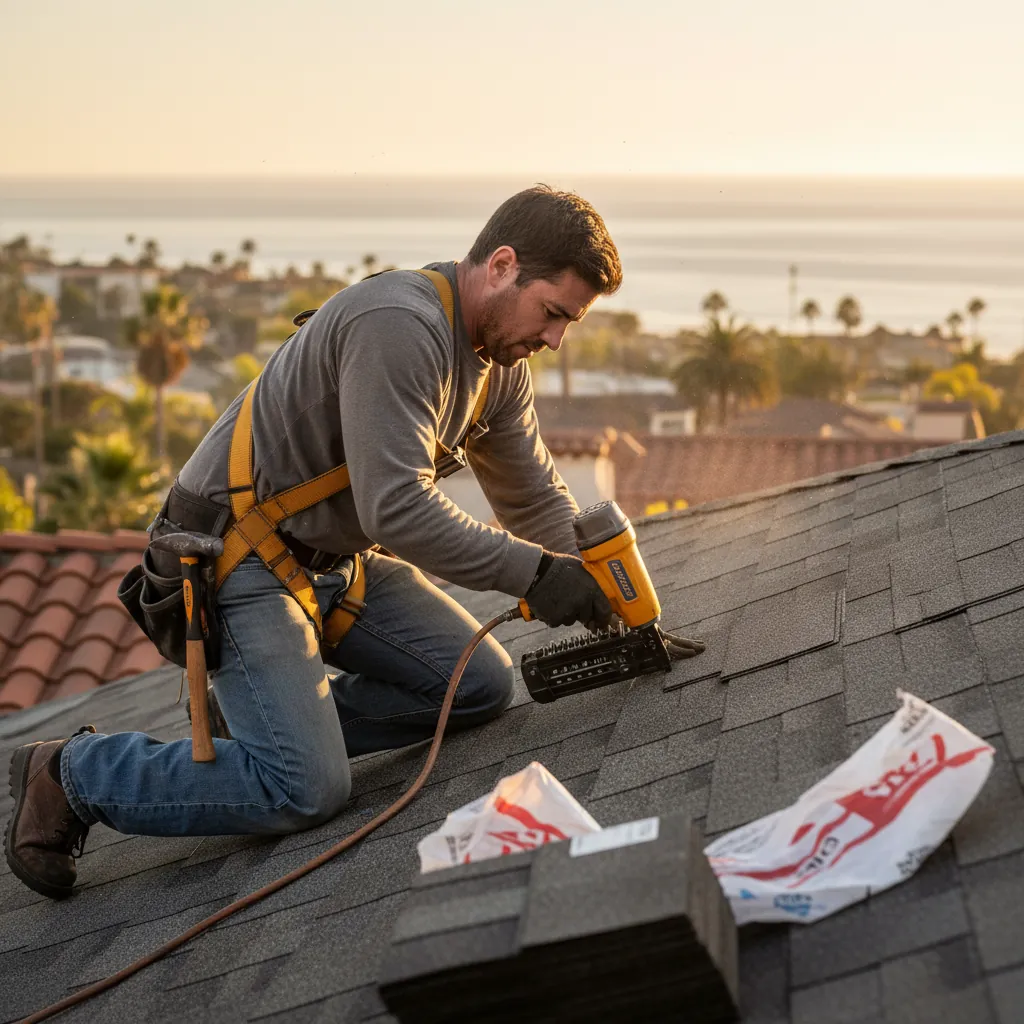
Typical cost for standard 1,500 sq ft Valley Glen ranch homes using reflective shingles that comply with California Title 24 energy standards.
Heavily dependent on structural reinforcement needs, which must be evaluated due to the alluvial soil settling common near the Tujunga Wash.
Often involves replacing flashing or damaged shingles around attic vents degraded by intense UV rays along the Burbank Blvd corridor.
Typical market ranges for the Greater Los Angeles area, not a quote or a guarantee. The price of your job depends on its scope, so ask each pro for a written estimate before you decide. Bars share one scale, so you can compare project sizes.
Conduct a thorough roof inspection, focusing on thermal wear, attic ventilation, and valley flashings.
Select Title 24-compliant reflective materials to maximize energy efficiency and qualify for LADWP rebates.
Obtain and post the required LADBS permit for the Valley Glen property.
Tear off old materials down to the wood deck to inspect for dry rot or structural sagging.
Install high-grade synthetic underlayment, drip edges, and optimized attic ventilation vents.
Lay down new shingles or tiles and coordinate the final inspection with the LADBS inspector.
ContractorPro.Leads doesn't do the work itself. We pass your Valley Glen project to up to four local roofers who take this kind of job, and you decide whether to hire any of them.
From the quiet, tree-lined streets near the Tujunga Wash Greenway to the busy avenues surrounding Burbank Blvd, Valley Glen features a distinct mix of mid-century ranch homes and newer residential properties. The flat terrain of the central Valley floor means roofs here receive direct, unfiltered sunlight for most of the day, making heat mitigation and energy efficiency primary concerns for local property owners.
Tell us what you have in mind. We'll pass it to up to four local pros, and they'll contact you to talk it through.
Roof replacement permits in Los Angeles are typically issued 'express' or over-the-counter by the Los Angeles Department of Building and Safety (LADBS). When you connect with a local contractor, they will handle the paperwork, usually obtaining the permit quickly through the Van Nuys or downtown LADBS offices.
Yes, Valley Glen residents can take advantage of LADWP (Los Angeles Department of Water and Power) rebates for certified Cool Roof installations. These reflective products absorb less heat, which helps lower your air conditioning costs during hot San Fernando Valley summers.
Cool roof-rated asphalt shingles or clay/concrete tiles are ideal. The extreme summer temperatures in the San Fernando Valley demand materials with high solar reflectance to prevent thermal degradation and keep indoor living spaces comfortable.
The flat terrain and alluvial soils around the Tujunga Wash can cause minor, gradual soil movement. This can lead to subtle settling in your home’s framing. A qualified roofing contractor will inspect your roof deck for structural integrity and ensure the underlayment has enough flexibility to handle minor shifts.
While LADBS codes may permit a second layer in some cases, local professionals generally advise a complete tear-off. Valley Glen’s high summer temperatures can cause heat to trap between layers, leading to rapid deterioration of the shingles and potentially overloading the roof structure.
