Typical North Hills costs, permit steps and timelines are below. When you are ready, describe your project and up to four local patio cover builders serving North Hills will contact you. You compare and decide.
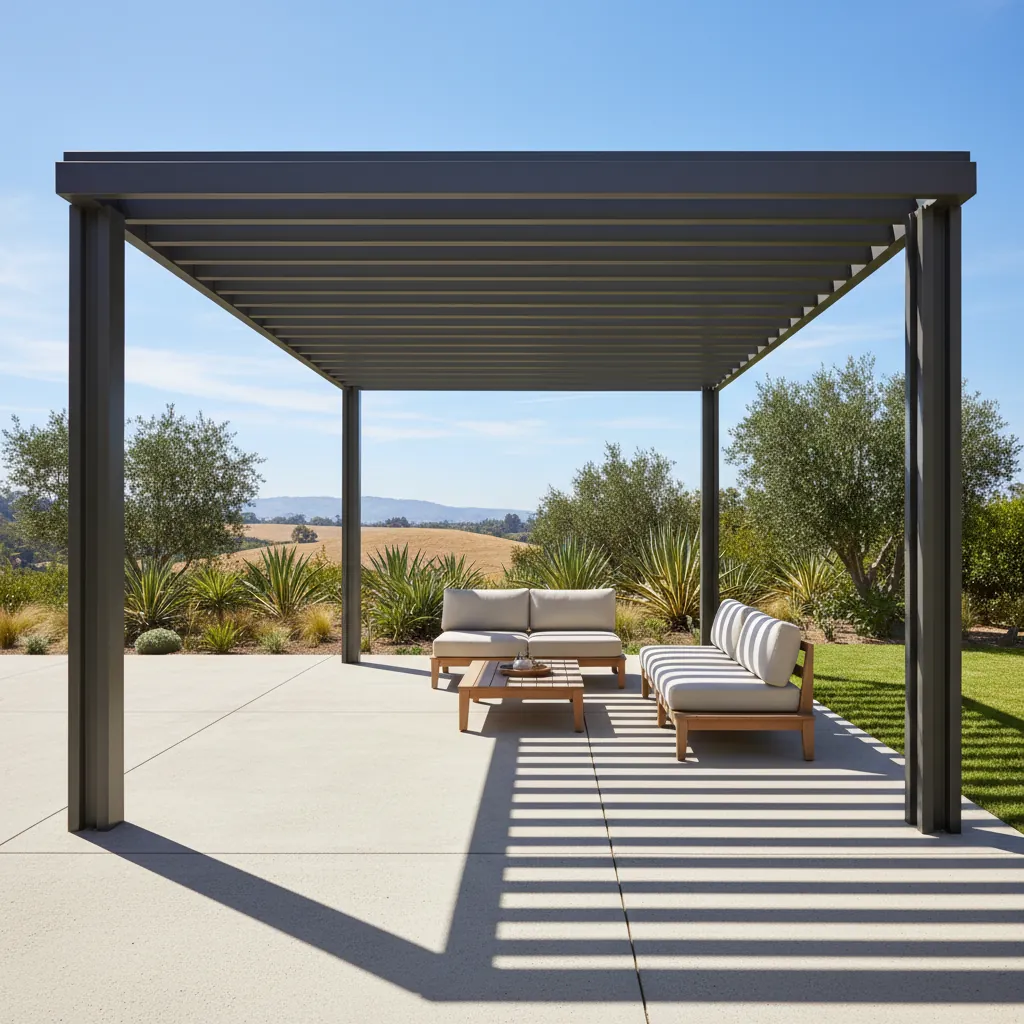
Life in North Hills offers beautiful sunny days, but the intense summer heat on the flat northern Valley floor can make your backyard virtually unusable without proper shade. Installing a durable patio cover transforms your outdoor space into a comfortable, year-round extension of your home. We connect you with local contractors who understand how to design and build structures that withstand the demanding San Fernando Valley climate.
The flat terrain of North Hills sits on alluvial Valley soils mixed with pockets of expansive clay, which swell and shrink during seasonal moisture shifts.
This makes properly engineered, deep-set footings absolutely critical for any permanent patio cover to prevent sinking or tilting over time. Additionally, with summer temperatures routinely exceeding 100°F and strict LADBS permitting codes, structures must be structurally calculated to handle both high thermal expansion and seasonal wind loads near the I-405 corridor.
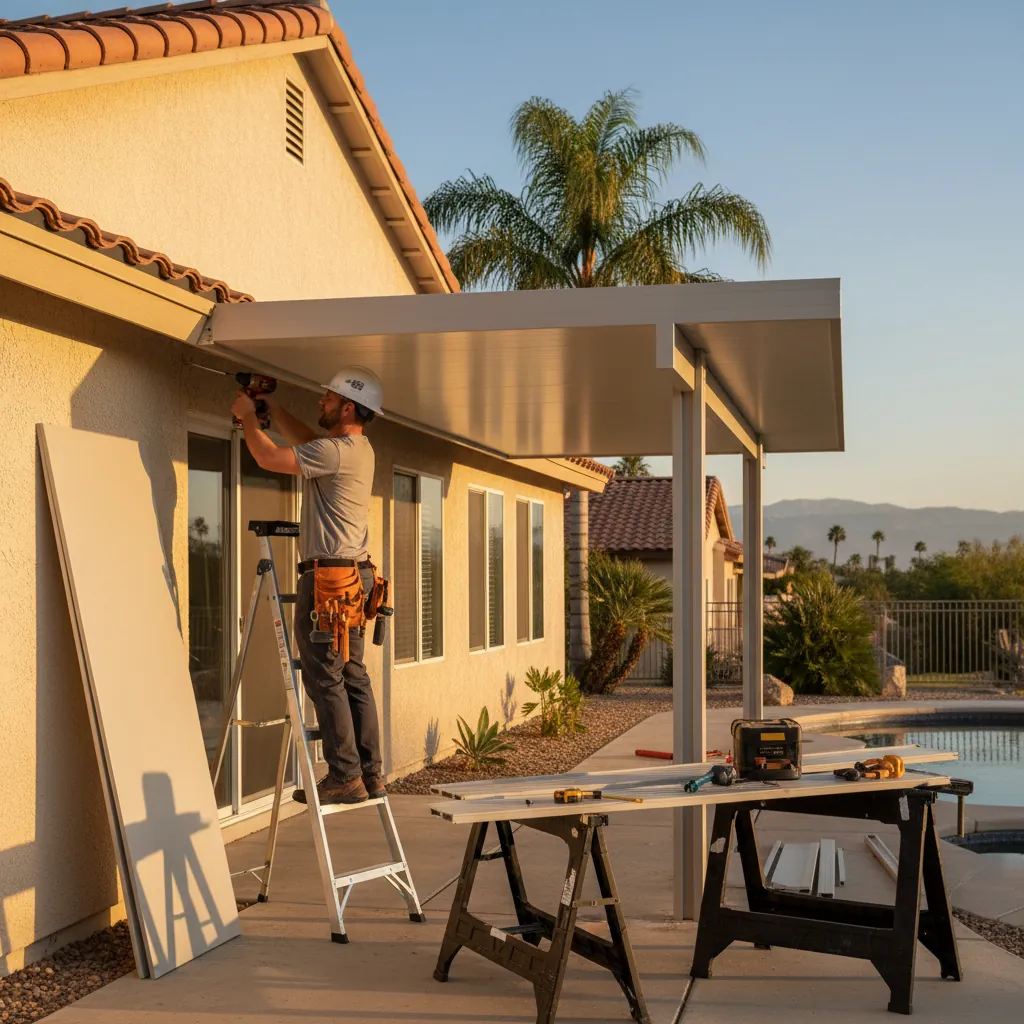
Very popular in North Hills for its zero-maintenance profile and high heat-reflective properties.
Requires premium treated lumber and UV-resistant stains to prevent splitting and warping in dry Valley heat.
Allows adjustable shade levels, requiring professional electrical integration and robust wind-load engineering.
Typical market ranges for the Greater Los Angeles area, not a quote or a guarantee. The price of your job depends on its scope, so ask each pro for a written estimate before you decide. Bars share one scale, so you can compare project sizes.
On-site consultation to evaluate backyard layout, sun angles, and soil conditions
Engineering and drafting of patio cover plans matching LADBS building codes
Securing necessary building permits from the City of Los Angeles
Excavating footings past the expansive clay layer into stable subsoil
Pouring concrete footings and erecting heavy-duty structural posts
Installing the roof panels or louvers and applying weather-resistant finishes
ContractorPro.Leads doesn't do the work itself. We pass your North Hills project to up to four local patio cover builders who take this kind of job, and you decide whether to hire any of them.
Whether you live in a classic mid-century ranch home near Devonshire Street or a newer development closer to Plummer Street, a quality patio cover adds immense functional value to your property. From quiet residential pockets just east of Sepulveda Boulevard to homes closer to the I-405 corridor, local properties benefit from shading solutions that lower indoor cooling costs by blocking direct sunlight from baking rear-facing windows.
Tell us what you have in mind. We'll pass it to up to four local pros, and they'll contact you to talk it through.
Yes, most attached patio covers and larger freestanding structures require a permit from the Los Angeles Department of Building and Safety (LADBS). Local pros handle the submission of engineered plans to ensure compliance with LA City seismic and wind load codes.
Plan check and permit issuance through LADBS can take anywhere from 2 to 6 weeks, depending on whether the design qualifies for 'Counter Plan Check' or requires full structural review due to complex attachments or soil concerns.
Aluminum (such as Alumawood) is highly recommended for the San Fernando Valley. Unlike traditional wood, it won't warp, crack, or require frequent repainting under the intense summer sun, and it resists termite damage.
Expansive clay swells when wet and shrinks when dry. Local contractors must excavate deeper footings and use reinforced concrete to anchor the patio cover posts, ensuring the structure remains level and stable through seasonal soil shifts.
While LADWP does not offer direct rebates for the patio structure itself, installing a patio cover that shades west- or south-facing windows can significantly lower your home's energy usage, aligning with LADWP's conservation goals. Additionally, you can integrate rain gutter systems to direct water into drought-tolerant landscaping.
