Battling sweltering Hill Country summers and unpredictable winter freezes starts right above your ceiling. We connect homeowners across Georgetown with experienced local insulation contractors who understand regional building envelopes. Whether you need an attic insulation top-up or full removal and replacement, find pros serving 78626 and 78628.
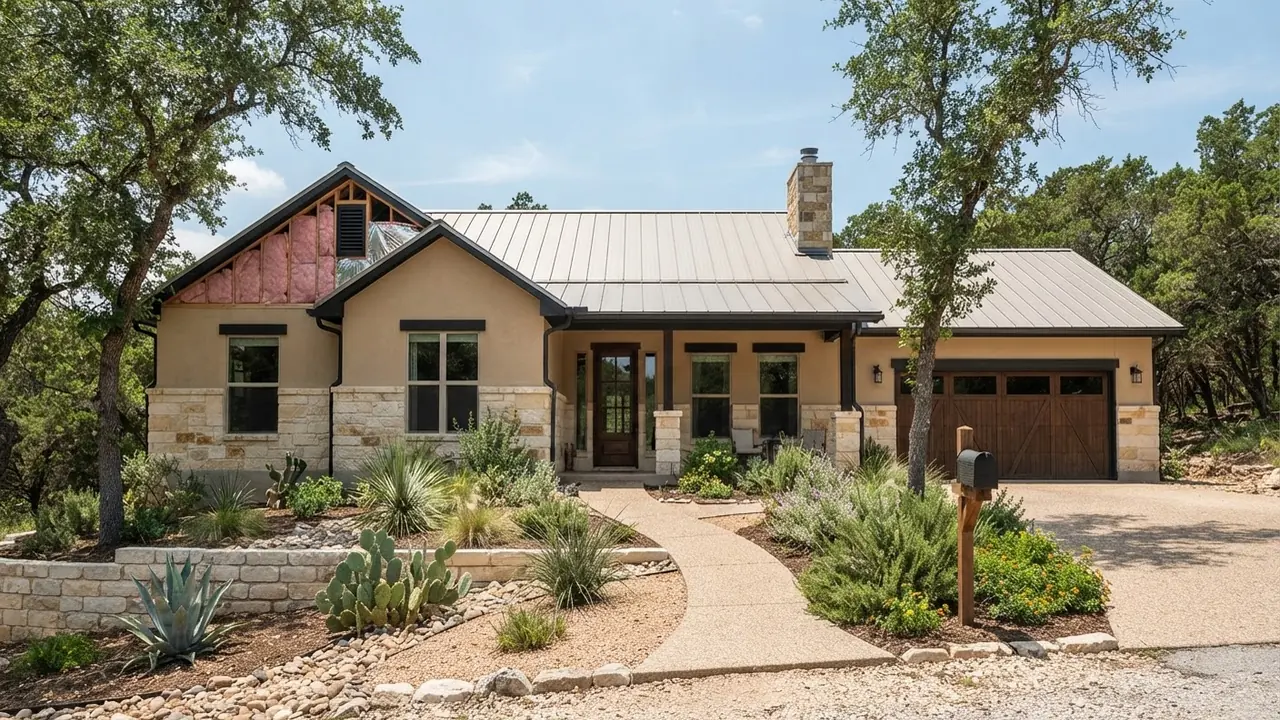
Georgetown’s terrain shifts from dense limestone ledges along the San Gabriel River to expansive Blackland clay to the east, causing subtle structural settling that opens hidden gaps around attic bypasses, chases, and top plates.
During 100°F summer stretches, radiant roof heat drives attic temperatures past 140°F, forcing thermal energy straight into your living spaces. When winter hard freezes hit Williamson County, homes lacking adequate thermal boundaries and air sealing face overworked heat pumps and vulnerable overhead plumbing lines.
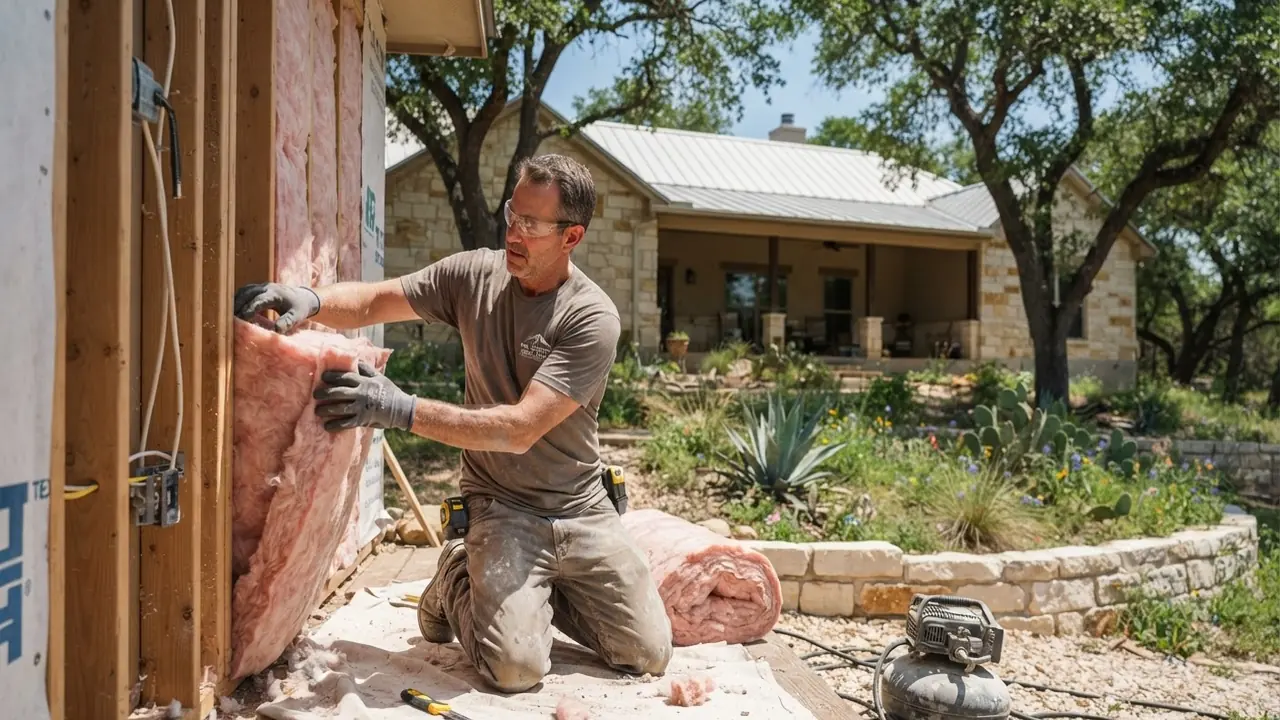
Depends on the desired target depth (R-38 vs. R-49) and accessibility across large single-story footprints common in Georgetown.
Driven by attic pitch, contamination levels, and disposal requirements for degraded batting or vermiculite.
Creates an unvented conditioned attic envelope, ideal for bringing ductwork inside the home's thermal boundary.
Covers sealing ceiling penetrations and installing rafter vent baffles to maintain proper airflow along soffits.
Typical market ranges for the Greater Austin area — not a quote or guarantee. Your actual price depends on scope; compare free quotes from local pros.
Comprehensive attic inspection to measure current R-value and check for thermal bypasses
Assessment of roof decking, roof-deck ventilation, and attic moisture levels
Safe vacuum removal and disposal of old, contaminated, or pest-damaged insulation if needed
Precision air sealing of electrical chases, plumbing stacks, top plates, and ceiling fixtures
Installation of blown-in fiberglass, cellulose, or spray foam to targeted regional R-values
ContractorPro.Leads is a matching service and doesn't do the work itself. We pass your Georgetown request to a few local companies that take this kind of job, and you decide whether to hire any of them.
Georgetown features a unique blend of architecture that requires targeted insulation approaches. Historic Victorian and Craftsman residences near the Historic Downtown Square often suffer from settled, degraded cellulose or non-existent air barriers. Meanwhile, sprawling single-story layouts in master-planned communities like Sun City feature massive attic footprints that absorb immense radiant heat from the Texas sun, requiring robust blown-in coverage to stabilize room-to-room temperatures.
Connect with attic insulation contractors in Georgetown today to request your free, no-obligation project estimates.
Standalone retrofit insulation projects that do not alter the home's structural framing, electrical circuits, or mechanical systems generally do not require a permit from the City of Georgetown Planning & Development department. However, if your project involves converting an attic into conditioned living space or rerouting HVAC runs, contractors must pull mechanical or building permits.
Depending on your specific address, homes powered by Georgetown Texas Electric Utility or Pedernales Electric Cooperative (PEC) often qualify for seasonal energy-efficiency rebates when upgrading from low existing levels to R-38 or higher. Many local pros can assist with documenting pre- and post-upgrade R-values for rebate submissions.
Under building energy codes for Williamson County (Climate Zone 2), local contractors recommend bringing attic flat ceilings to a minimum of R-38, though R-49 offers the best defense against extended 100°F summer runs and sub-freezing polar vortex events.
The transition between limestone shelves and expansive Blackland clay causes minor seasonal home movement. This shifting cracks the drywall seams and dislodges builder-grade insulation around ceiling joints, allowing hot attic air to leak into the living space unless thoroughly air-sealed.
Blown-in fiberglass or cellulose is the most cost-effective solution for standard vented attics, especially in sprawling Sun City ranches. Spray foam applied directly to the underside of the roof deck is superior if your HVAC air handler and ductwork reside in the attic, keeping equipment within a semi-conditioned space.
