Keeping your Elgin home comfortable across sizzling 100-degree summers and sudden winter freezes requires a properly sealed thermal envelope. Whether you own a historic property near downtown or a newer build off US-290 East, we connect you with experienced local insulation specialists. Get competitive estimates for attic insulation, spray foam, and retrofits tailored to Bastrop County's climate.
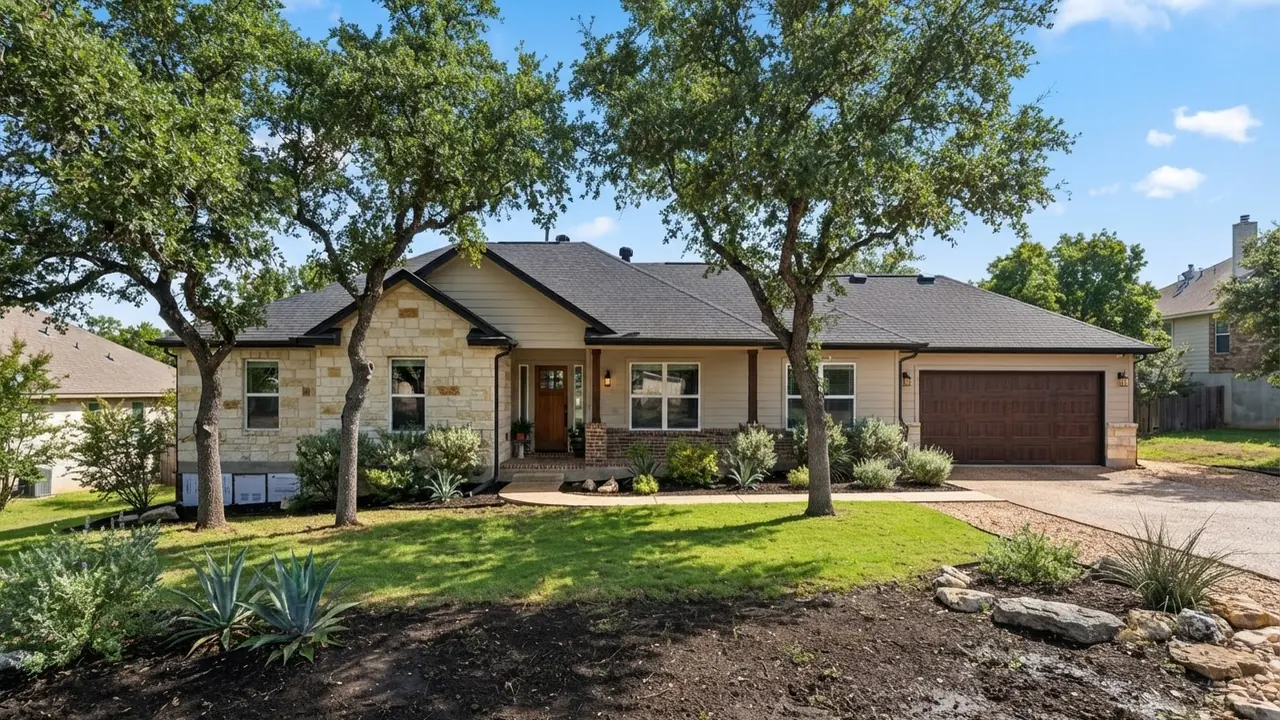
Elgin sits on the rolling Blackland prairie, where heavy clay soils expand and contract throughout the seasons, subtly shifting home framing and opening up tiny air leaks around top plates and attic penetrations.
Combined with intense summer radiant heat loads that push attic temperatures past 140°F and high ambient humidity, under-insulated attics quickly overload HVAC systems and drive up cooling bills. Proper air sealing and high-performance blown-in or spray foam insulation prevent moisture buildup and thermal bridging across our extreme seasonal temperature swings.
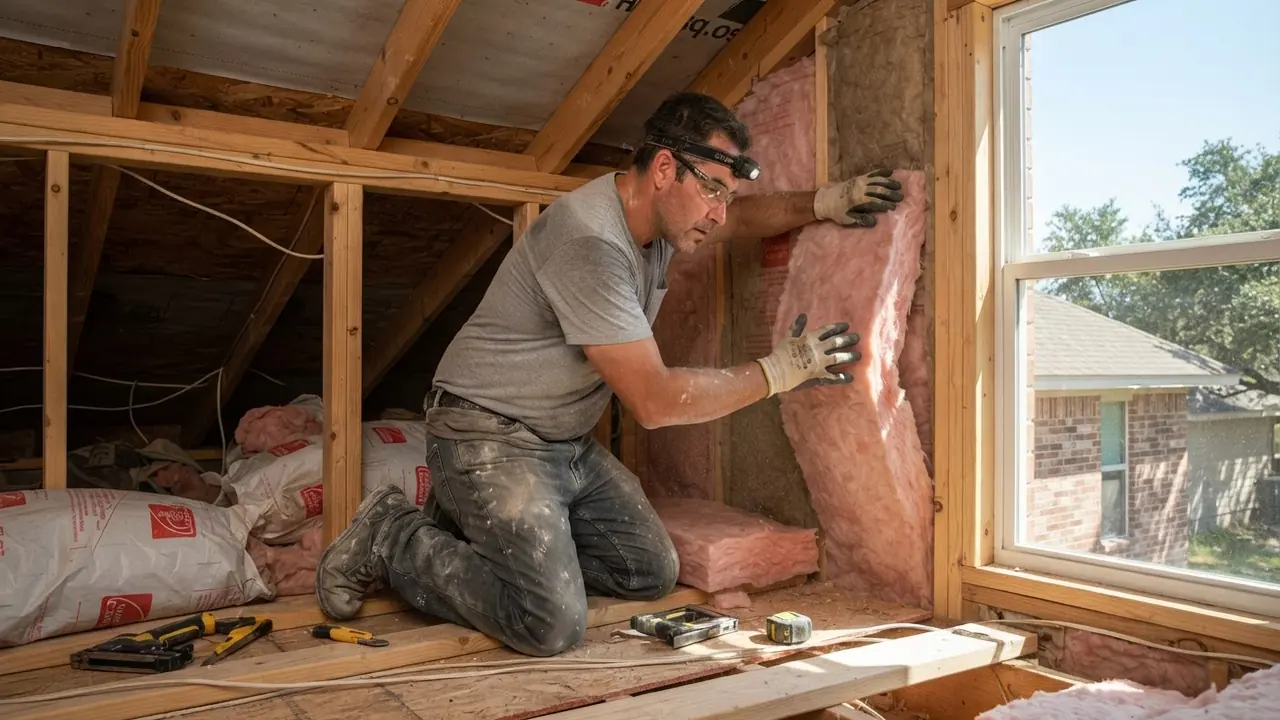
Covers fiberglass or cellulose loose-fill over existing attic spaces in standard Elgin ranch and single-story homes.
Popular for interior roof deck applications to bring attic ductwork inside the home's thermal boundary.
Offers maximum R-value per inch and serves as a built-in moisture vapor barrier, ideal for pole barns or exposed floor joists.
Necessary when replacing contaminated, rodent-damaged, or heavily degraded vintage insulation prior to a full upgrade.
Typical market ranges for the Greater Austin area — not a quote or guarantee. Your actual price depends on scope; compare free quotes from local pros.
Comprehensive thermal imaging and attic airflow assessment
Removal and disposal of compromised, pest-damaged, or settling insulation
Precision air sealing of electrical chases, recessed lights, and top plates
Installation of ventilation baffles and attic hatch insulation tents
Even application of high-density blown-in material or sprayed polyurethane foam
ContractorPro.Leads is a matching service and doesn't do the work itself. We pass your Elgin request to a few local companies that take this kind of job, and you decide whether to hire any of them.
From century-old farmhouses and historic brick cottages near Historic Downtown Elgin to expanding subdivisions and ranch acreage along the US-290 East corridor, Elgin features diverse construction types. Local pros understand the unique insulation needs of high-ceiling historic homes as well as modern open-concept builds facing direct prairie sun.
Ready to lower your energy bills and stay comfortable year-round? Connect with insulation contractors in Elgin, TX, and get your free project quotes today.
For most traditional vented attics in Elgin, blown-in cellulose or fiberglass built up to R-38 or R-49 offers the best cost-to-performance ratio. If your HVAC unit and ductwork are located in the attic, applying open- or closed-cell spray foam directly to the roof deck creates an unvented conditioned attic, dramatically reducing summer cooling load.
Standard retrofits and top-offs of blown-in attic insulation typically do not require permits. However, major structural alterations, converting an unconditioned attic into living space, or substantial commercial retrofits may require review by the City of Elgin Planning & Development department. Contractors in our network can advise on local code requirements.
Elgin's expansive clay causes seasonal foundation settlement, which pulls at framing joints and drywall seams. Over time, this creates hidden pathways where hot, humid attic air gets pulled into living spaces. Local pros prioritize comprehensive air sealing before blowing in new insulation to lock down these shifting gaps.
Depending on your specific electric service provider in the Elgin area (such as Oncor or Bluebonnet Electric Cooperative), seasonal energy efficiency rebates may be available for air sealing and attic insulation upgrades. Local contractors can help provide the required pre- and post-upgrade R-value documentation.
Late autumn through early spring is the ideal window for insulation work in Elgin. Attic temperatures are cooler, allowing technicians to work safely and thoroughly seal every penetration before the intense Central Texas summer heat arrives.
