In Bastrop's humid subtropical climate, a properly insulated home is your frontline defense against sweltering 100°F summers and sudden winter freezes. Whether you are retrofitting a historic property near the river or finishing a new build tucked into the pines, we connect you with experienced insulation contractors across ZIP 78602. Get matched with local pros who understand the unique structural and climatic needs of Central Texas homes.
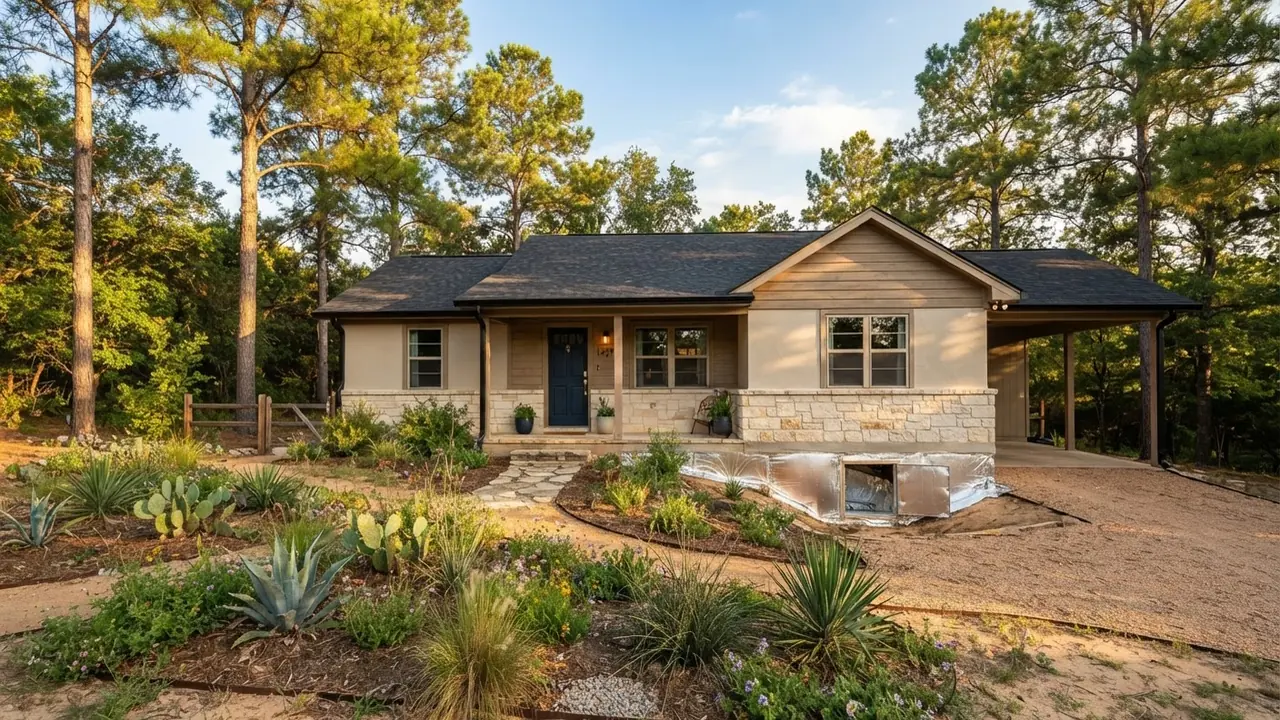
Bastrop attics regularly soar past 140°F in peak summer, putting extreme strain on HVAC equipment and driving up cooling bills.
Proximity to the Colorado River and humid air over the Carrizo-Wilcox sandy loam terrain means homes face seasonal moisture accumulation that can degrade substandard batting. Additionally, properties nestled near the Lost Pines face elevated wildfire and ember risks, making airtight, fire-rated attic insulation and sealed soffit venting essential for both energy efficiency and home protection.
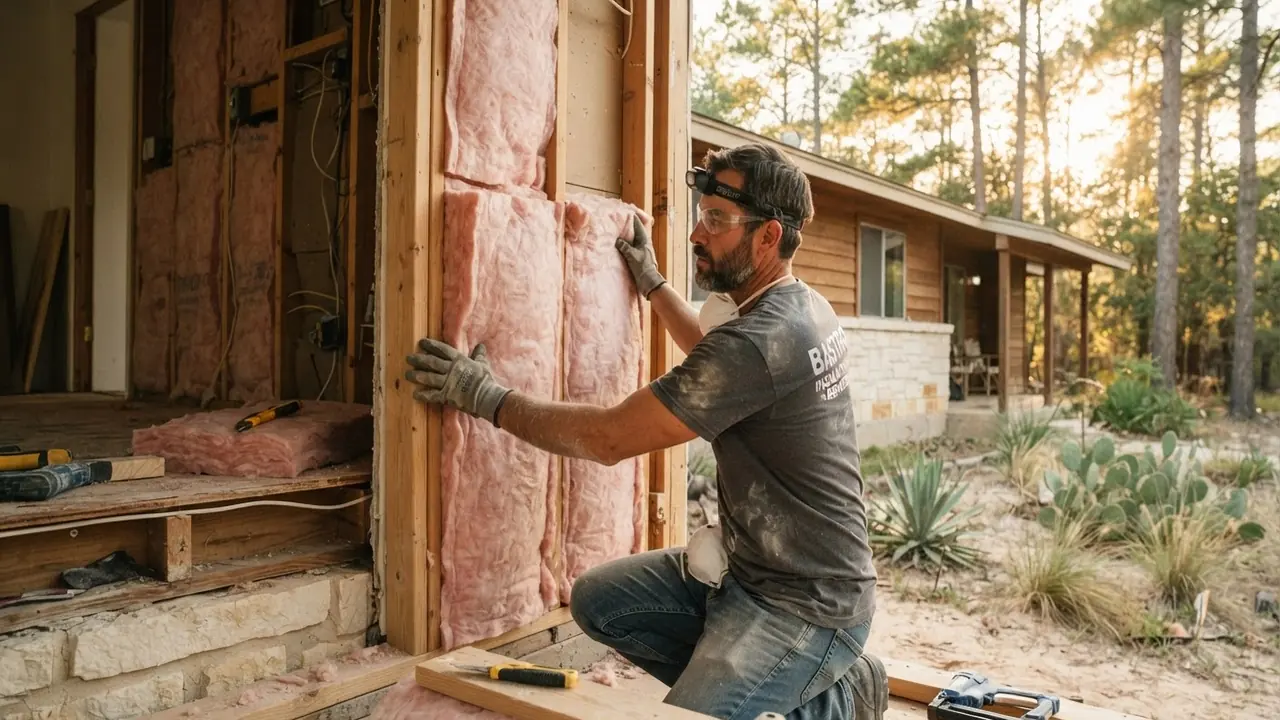
Commonly chosen for retrofits in Bastrop attics to achieve recommended R-38 to R-49 depth.
Popular for unvented roof deck assemblies and sealing pole barns or custom homes in the Lost Pines area.
Required when existing materials have suffered rodent damage, roof leaks, or severe settling over decades.
Critical for historic pier-and-beam structures near downtown to mitigate ground drafts and rising humidity.
Typical market ranges for the Greater Austin area — not a quote or guarantee. Your actual price depends on scope; compare free quotes from local pros.
Comprehensive pre-inspection to check existing R-value, air leaks, and moisture levels
Safe removal and disposal of contaminated, pest-damaged, or degraded materials
Meticulous air sealing of top plates, electrical chases, and plumbing penetrations
Installation of soffit baffles and ventilation chutes to preserve balanced attic airflow
Even installation of blown-in fiberglass, cellulose, or spray foam to target R-values
ContractorPro.Leads is a matching service and doesn't do the work itself. We pass your Bastrop request to a few local companies that take this kind of job, and you decide whether to hire any of them.
From restored 19th-century residences in Historic Downtown Bastrop to newer custom homes along the rolling corridors toward Bastrop State Park, neighborhood architecture varies widely. Properties closer to the Colorado River often feature pier-and-beam foundations needing subfloor thermal barriers, while homes in the Lost Pines area require high-performance attic air sealing to block heat and pine pollen.
Ready to lower your energy bills and stay comfortable year-round? Connect with insulation contractors in Bastrop, TX today to get free, no-obligation quotes for your home.
Blown-in cellulose or fiberglass is ideal for standard attic floors needing an R-38 or R-49 boost, while open-cell and closed-cell spray foam are excellent for unvented roof deck applications that seal out Bastrop's intense summer heat and pine pollen.
Standard attic top-offs and blow-ins generally do not require a permit. However, if your project involves structural alterations, drywall removal, or conversion to an unvented attic assembly, City of Bastrop Development Services may require plan reviews and building permits.
Depending on your specific address in 78602, electric customers under Bluebonnet Electric Cooperative or City of Bastrop utilities may qualify for seasonal energy-efficiency rebates when upgrading attic insulation to current energy code standards.
While insulation can be installed year-round, late fall through early spring is optimal. During July and August, Bastrop attic temperatures can surpass 140°F, requiring contractors to work in early-morning shifts to ensure safe installation.
Most single-family residential attics in Bastrop take 1 to 2 days to complete, including old material removal, thorough air sealing, and the application of new blown-in or spray foam materials.
