Living along the scenic hills of Canyon Lake brings breathtaking reservoir views, but our humid subtropical climate means scorching triple-digit summers and unexpected winter hard freezes. Whether your home is a mid-century lake cottage or modern Hill Country construction, having properly balanced thermal protection is critical. We connect you with experienced, independent insulation professionals serving Canyon Lake and surrounding Comal County communities.
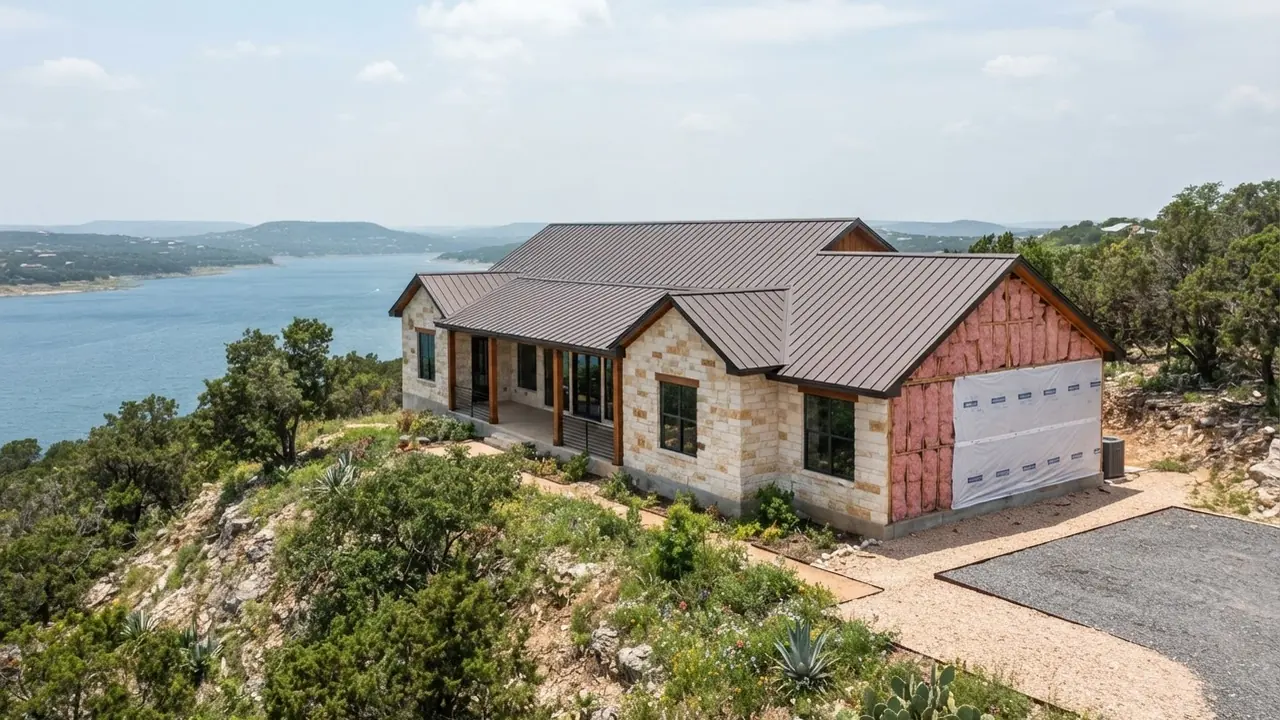
Canyon Lake homes face severe thermal loads where radiant heat off dark roofs can push unconditioned attic temperatures well past 140°F during long Hill Country summers.
Many properties along the reservoir feature vaulted tongue-and-groove ceilings, metal roofs, or elevated post-and-pier foundations built directly over steep limestone and caliche terrain. Without an air-tight thermal boundary like high-performance spray foam or properly vented blown-in attic insulation, lake-effect humidity enters wall cavities while air conditioning runs constantly, driving up utility bills and inviting condensation issues.
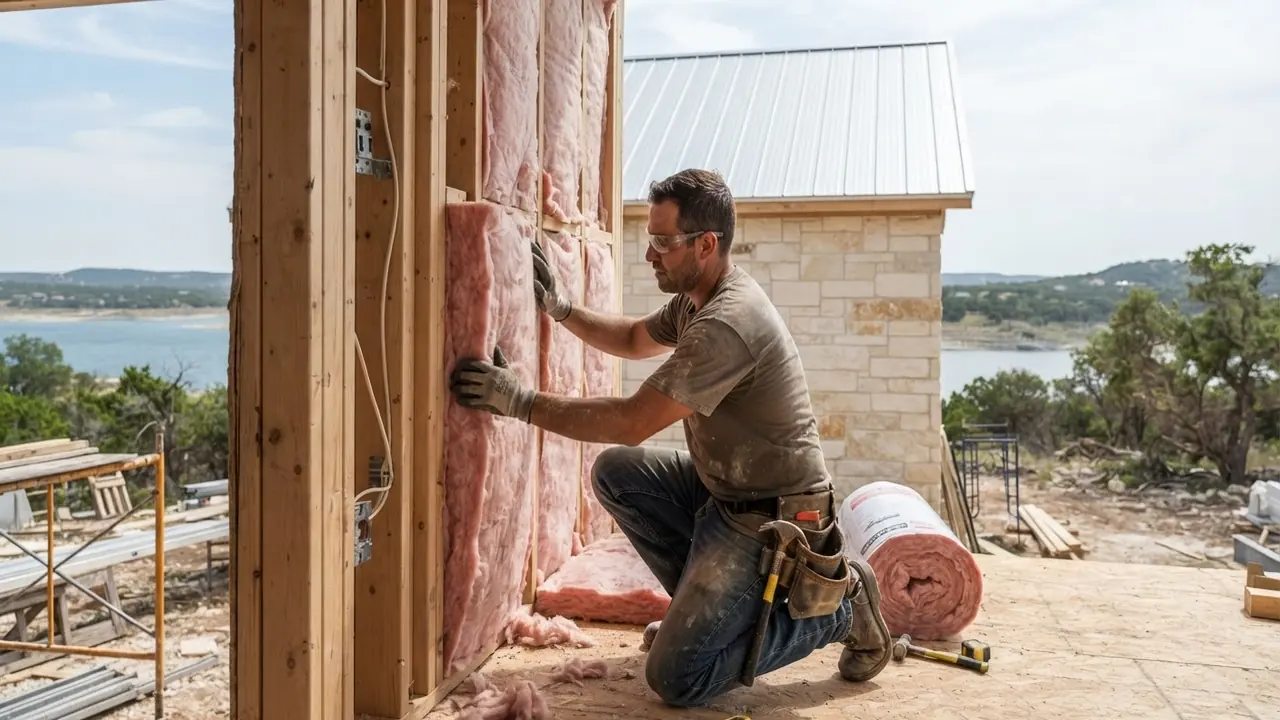
Common for standard attics in ranch homes around Sattler; cost reflects materials and careful air-sealing prep.
Required when old insulation has suffered rodent nesting, moisture damage, or age-related settling.
Ideal for unvented attics in Hill Country homes, moving HVAC ducts into conditioned space for higher efficiency.
Recommended for pier-and-beam lakehouses over rocky terrain or metal buildings needing moisture protection.
Typical market ranges for the Greater San Antonio area — not a quote or guarantee. Your actual price depends on scope; compare free quotes from local pros.
Comprehensive attic inspection measuring existing insulation depth and locating major thermal bypasses
Assessment of roof deck, soffit baffles, and ridge ventilation to prevent moisture retention
Air-sealing around recessed lighting, top plates, plumbing penetrations, and attic access hatches
Proper installation of open-cell spray foam, closed-cell foam, or blown-in fiberglass/cellulose to target R-values
Final clearance inspection ensuring combustion appliance vents and exhaust fans vent directly to the exterior
ContractorPro.Leads is a matching service and doesn't do the work itself. We pass your Canyon Lake request to a few local companies that take this kind of job, and you decide whether to hire any of them.
From the quiet residential coves off FM 306 on the North Shore to the winding bluffs along FM 2673 and the Guadalupe River tailrace, Canyon Lake properties range from rustic cedar cabins to expansive stone ranches. Independent contractors in our network understand the architectural diversity found across Sattler, Startzville, and the lakeside subdivisions.
Ready to lower your energy costs and keep your Hill Country home comfortable in every season? Request a free quote today to connect with insulation contractors near Canyon Lake.
Because Canyon Lake is located in unincorporated Comal County, there is no residential building permit required for insulation retrofits, attic top-offs, or spray foam applications. County oversight primarily governs on-site sewage facilities (septic) and FEMA floodplain development. However, contractors must still adhere to Texas energy codes and manufacturer fire-barrier requirements.
Blown-in cellulose or fiberglass is highly cost-effective for traditional attics with flat drywall ceilings and adequate soffit-to-ridge airflow. Spray foam applied directly to the underside of the roof deck is usually superior for homes with vaulted ceilings, ductwork located in the attic, or metal roofing, as it creates an airtight conditioned envelope resistant to summer radiant heat.
Yes, many homeowners in the 78133 ZIP code are served by Pedernales Electric Cooperative (PEC), which periodically offers rebates for qualifying attic insulation improvements that increase thermal resistance to R-38 or higher. Your selected local pro can help identify current incentive qualifications and provide the required invoice documentation.
Late autumn through early spring is ideal. Attic temperatures during Texas summers regularly exceed 130°F, which makes safe installation difficult and can extend labor times. Upgrading before May ensures your home is fully fortified against the brutal summer electric peaks.
Homes built on post-and-pier foundations along the limestone slopes often suffer from high ground moisture and humidity. Traditional fiberglass batts tend to absorb dampness, sag, and harbor mold. Local specialists frequently recommend closed-cell spray foam on subfloors, as it creates an impervious moisture barrier that will not degrade in humid lake environments.
