Brooks blends repurposed heritage properties with vibrant new developments across the former military base in South San Antonio. Whether you own a converted mid-century home or a contemporary build in 78235 or 78223, maintaining an energy-efficient thermal boundary is essential for year-round comfort. We connect you with local insulation contractors ready to evaluate your attic, crawlspace, or exterior walls.
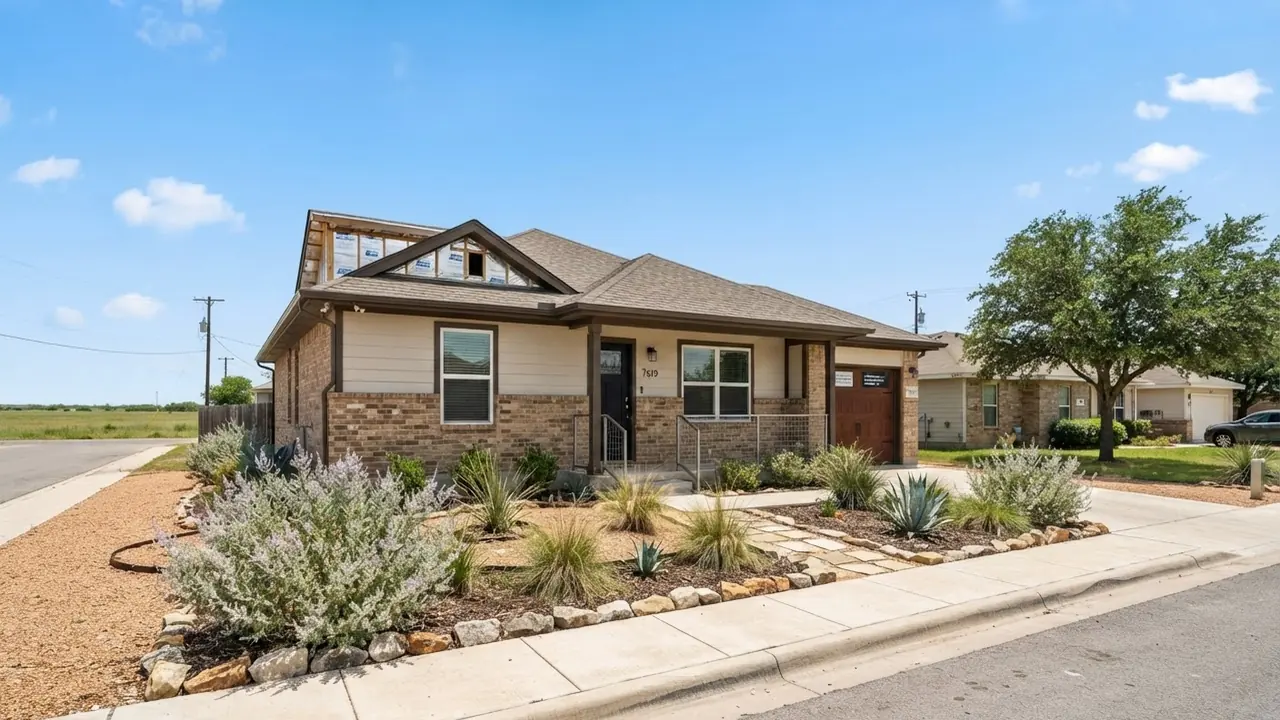
Brooks sits on the flat southeast prairie where open terrain provides zero natural buffer against 100°F summer sun and sudden winter freezes.
Underneath, expansive Houston Black clay shrinks and swells with South Texas moisture swings, causing subtle structural settling that opens ceiling drywall joints and breaches attic air seals. Without properly installed attic insulation and air sealing, superheated 140°F attic air penetrates living spaces, driving air conditioners to exhaustion and spiking electric bills.
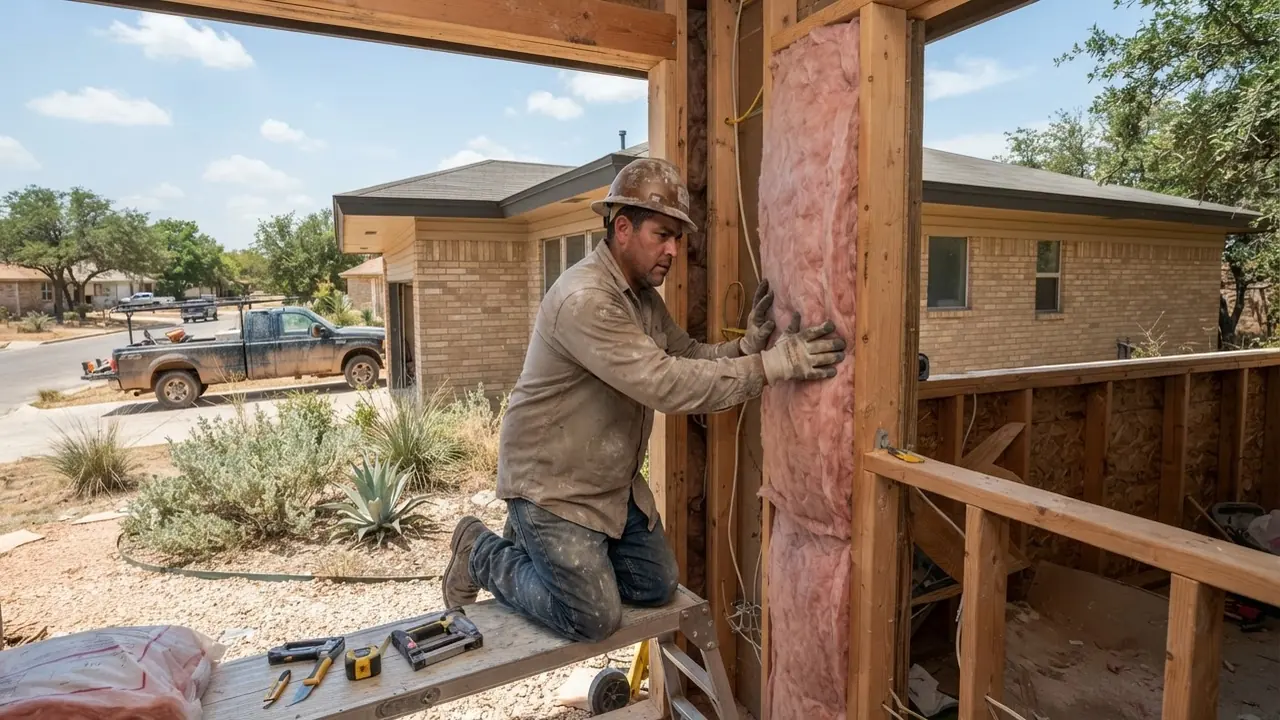
Typical for topping up existing levels in Brooks ranch-style homes or newer tract attics.
Ideal for attic roofline encapsulation in modern builds to bring ductwork into conditioned space.
Provides both a thermal barrier and high vapor resistance, useful in exposed exterior walls or moisture-prone areas.
Required when old batt or loose-fill material has been damaged by pests, roof leaks, or severe settling.
Typical market ranges for the Greater San Antonio area — not a quote or guarantee. Your actual price depends on scope; compare free quotes from local pros.
Inspect existing attic depth, ductwork condition, and moisture levels
Remove degraded, pest-contaminated, or settled existing insulation
Air seal ceiling penetrations, wire drops, and plumbing chases with expanding foam
Install attic ventilation baffles to keep soffit vents unblocked
Blow in fiberglass/cellulose or apply open/closed-cell spray foam to spec
Insulate and weatherstrip the attic access hatch to eliminate heat transfer
ContractorPro.Leads is a matching service and doesn't do the work itself. We pass your Brooks request to a few local companies that take this kind of job, and you decide whether to hire any of them.
Anchored by the expansive redevelopment at Brooks City Base and extending toward the cultural corridor of Mission Espada and Texas A&M-San Antonio, Brooks is one of the Southeast Side's fastest-growing hubs. The mix of renovated residential quarters, 1960s ranch-style houses, and modern energy-conscious master-planned subdivisions requires tailored insulation approaches. Local contractors understand how to retrofit older rafter designs while bringing newer builds up to optimal thermal performance.
Connect with experienced insulation specialists in Brooks today and get free quotes to lower your energy bills.
Simply adding blown-in insulation into an existing attic cavity generally does not require a standalone permit. However, if your project involves unvented roof deck spray foam conversions, altering structural ventilation, or reconfiguring electrical and mechanical equipment in the attic, the City of San Antonio Development Services Dept. (DSD) may require plan review or trade permits. Contractors can advise on specific permitting requirements for your scope.
Key variables include attic accessibility, roof pitch, whether old compressed insulation must be extracted, and the selected material (blown-in fiberglass, cellulose, or spray foam). Homes with low-pitch rafters common to older Southeast prairie neighborhoods often require additional labor due to tight working clearances.
Yes, homeowners in Brooks are typically eligible for attic insulation rebates through CPS Energy when upgrading to an R-38 level or higher using a contractor. These rebates can offset a meaningful portion of your total project investment.
Blown-in insulation is highly cost-effective and ideal for standard attic floors with intact ductwork. Spray foam applied directly to the underside of the roof deck creates a sealed, conditioned attic, which is particularly beneficial if your HVAC ducts run through the attic and endure intense summer heat.
Houston Black clay shrinks drastically during hot, dry spells and swells during rain events. This movement flexes the house frame over time, breaking drywall tape lines and creating hidden thermal bypasses into your attic. Proper air sealing before insulation application is critical to stop conditioned air from escaping into the attic cavity.
