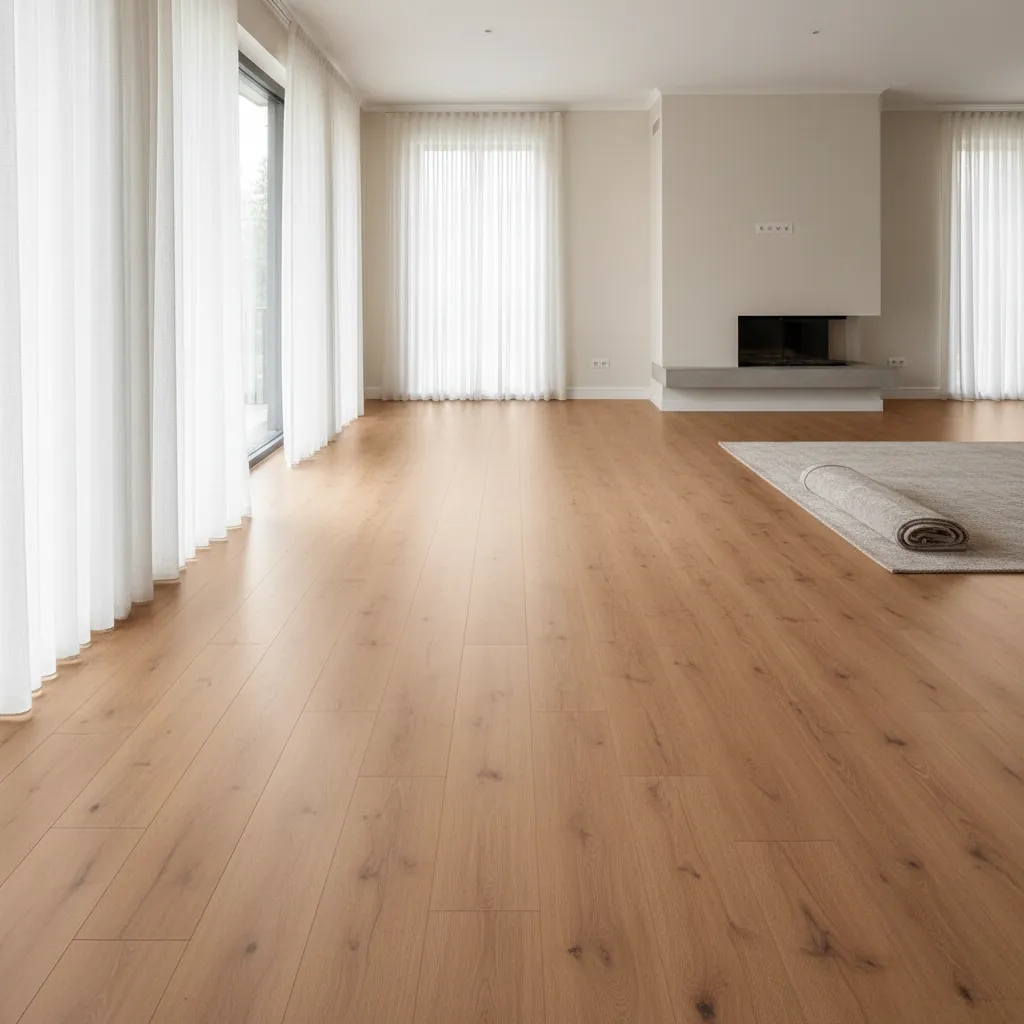
From the historic walk-street cottages along the Venice Canals to modern architectural homes near Abbot Kinney, local residences require flooring that handles coastal living beautifully. The unique marine environment of Venice demands materials that resist damp air, tracked-in sand, and high indoor-outdoor foot traffic. We connect you with local flooring contractors who understand how to balance signature Westside style with long-term durability.
Venice’s flat coastal lowland terrain features a very shallow water table and sandy soil, which naturally elevates indoor relative humidity. This constant moisture, combined with dense marine fog and salt air, can cause standard solid wood flooring to warp, buckle, or cup if installed without specialized vapor barriers. Flooring installations in multi-family structures or projects requiring structural subfloor repairs must also carefully comply with Los Angeles Department of Building and Safety (LADBS) guidelines to ensure proper moisture-mitigation and sound-control standards are met.
| Project | Typical range | What affects it locally |
|---|---|---|
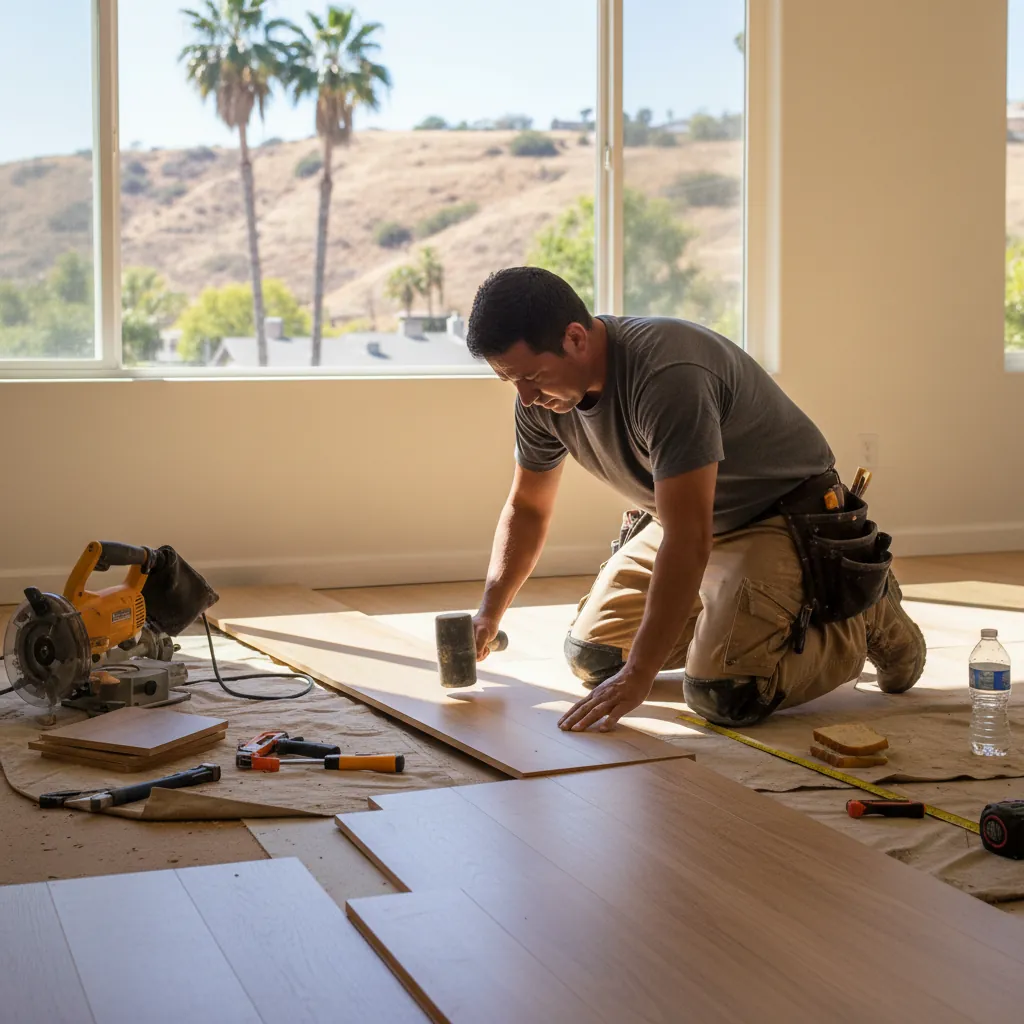
| Luxury Vinyl Plank (LVP) Installation | $7 - $13 per sq. ft. | Highly popular in Venice for its absolute waterproof rating and resilience against tracked-in canal sand. |
| Engineered Hardwood Installation | $12 - $24 per sq. ft. | Offers the warmth of real wood but with superior dimensional stability against marine humidity compared to solid wood. |
| Subfloor Moisture Barrier & Prep | $2 - $5 per sq. ft. | Essential prep work in Venice's low-lying coastal zones to prevent rising dampness from ruining new floor coverings. |
Typical market ranges for the Greater Los Angeles area, not a quote or a guarantee. The price of your job depends on its scope, so ask each pro for a written estimate before you decide.
ContractorPro.Leads doesn't do the work itself. We match Venice homeowners with local companies, and a company has to pass these checks before it can receive any request.
These checks show the records as they stood when we reviewed them. Before you sign anything, look up the license yourself at cslb.ca.gov and ask the company for a current insurance certificate.
Whether you are updating a classic beach bungalow steps from the Venice Beach Boardwalk or renovating a contemporary loft near Abbot Kinney Blvd, your floors must withstand the microclimate's unique demands. The seamless indoor-outdoor lifestyle of the Venice Canals means sand and ocean moisture are constantly tracked inside, requiring flooring materials that are as resilient as they are visually striking.
ZIP code we cover in Venice: 90291 See every neighborhood we serve
Tell us what you have in mind. We'll pass it to up to four checked local pros, and they'll contact you to talk it through.
Tell us about your projectStandard cosmetic flooring replacements like carpet, tile, or wood do not typically require a permit from the Los Angeles Department of Building and Safety (LADBS). However, if your project involves structural subfloor repairs, modifying floor joists, or installing hard-surface flooring in a multi-family condo unit requiring sound-reduction (IIC) ratings, a permit and inspection will be necessary.
Solid hardwood is highly susceptible to expanding and contracting with Venice's foggy marine air and high humidity. Local pros usually recommend high-quality engineered hardwood instead, as its layered construction resists warping and cupping caused by coastal moisture.
Porcelain tile and high-wear-layer luxury vinyl plank (LVP) are the top choices. They resist scratches from abrasive beach sand tracked in from the boardwalk and are easily cleaned without risking water damage.
Wood materials should acclimate in the target room for at least 5 to 10 days with the home's climate control running. This prevents premature gapping or buckling after the installation is complete.
While the Los Angeles Department of Water and Power (LADWP) does not offer direct rebates for flooring materials, selecting eco-friendly, sustainably sourced materials like bamboo or cork can contribute to overall green building goals. Homeowners often coordinate flooring updates with energy-efficient subfloor heating systems which may qualify for regional efficiency incentives.
