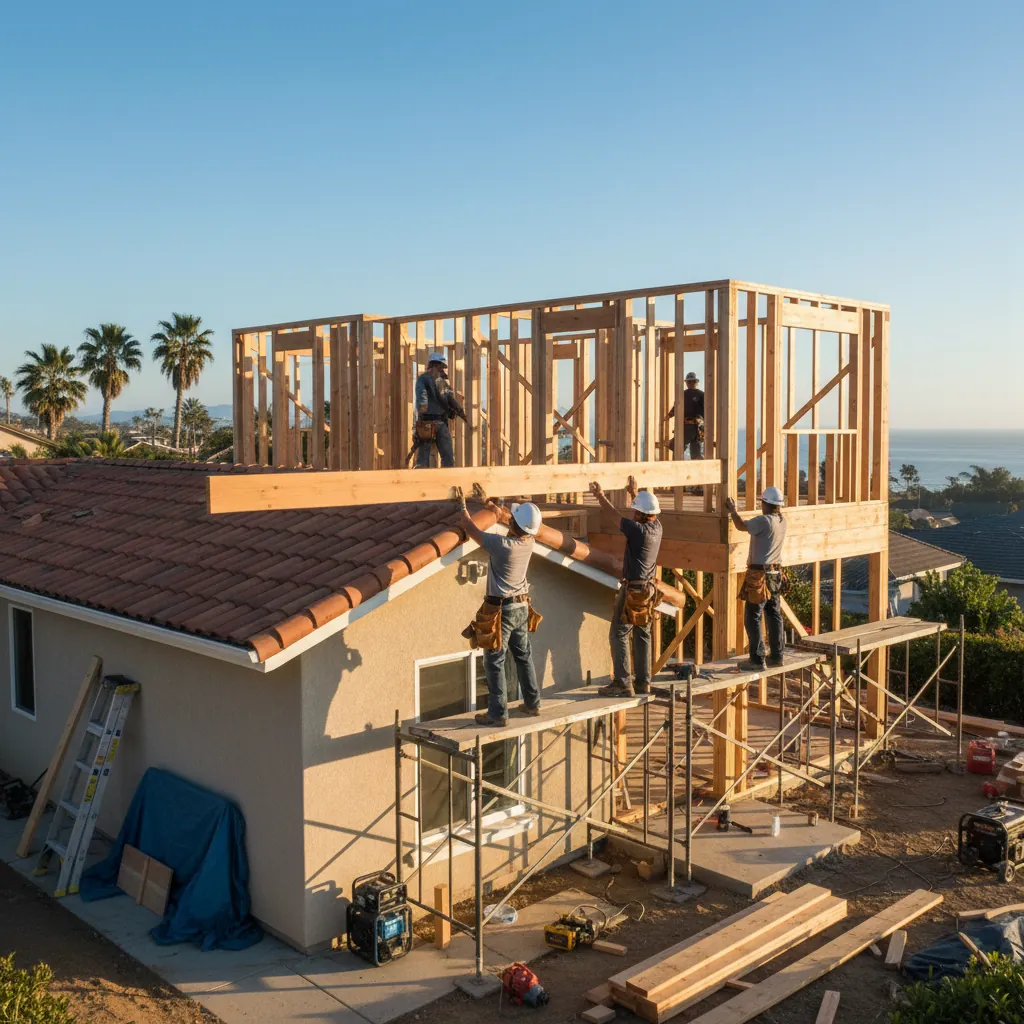
Home projects in West Hills are shaped by local conditions: west Valley floor rising into the Simi Hills, many sloped lots, clay soil with rocky hillside soils on the western edge, and hot, dry summers; western edge is a high fire-hazard (WUI) zone. Most structural, electrical, plumbing, and mechanical work is permitted through Los Angeles Dept. of Building and Safety (LADBS). Serving homes near Fallbrook Center, Chalk Hill and Bell Canyon, we connect West Hills homeowners with local pros who work in the area.
Much of the housing stock in West Hills consists of postwar ranch houses and mid-century traditional homes built during the suburban expansion of the 1960s and 1970s. As the neighborhood extends from the west Valley floor toward the Simi Hills near Bell Canyon, many properties sit on sloped lots that require careful hillside management. The age of these homes means that homeowners often face specific maintenance needs. Original galvanized steel plumbing may require updating, and older electrical panels often need upgrading to support modern appliances. Clay soil across the flatlands and rocky hillside soils on the western edge can cause foundation settlement, leading to plaster cracks and sticking doors. Additionally, original roofs on these decades-old homes often require inspection or replacement to ensure safety during seasonal rains, while older framing may need structural reinforcement when undertaking major renovations on these sloped terrains.
Living in West Hills means adapting to hot, dry summers and mitigating fire risks, especially on the western edge near Bell Canyon. Homeowners frequently focus on a backyard remodel that incorporates drought-tolerant landscaping and artificial turf to conserve water and qualify for LADWP rebates. To protect homes from high temperatures, installing energy-efficient HVAC systems, upgrading insulation, and applying fresh exterior painting are common improvements. Given the clay soil and sloped terrain, stable hardscape solutions like concrete patios and pavers are crucial for managing runoff and preventing erosion. Many residents also invest in fire-wise clearing, chimney cleaning, and roofing upgrades using fire-resistant materials. For indoor comfort, kitchen remodeling, bathroom remodeling, and constructing ADUs are highly popular ways to maximize living space, while routine maintenance like air duct cleaning and dryer vent cleaning helps maintain indoor air quality during dry, dusty seasons.
Because West Hills is a neighborhood within the City of Los Angeles, all building permits are issued by the Los Angeles Department of Building and Safety (LADBS). Homeowners planning significant structural alterations, such as a room addition, ADUs, or major electrical and plumbing overhauls, must obtain the proper permits before starting work. Simple cosmetic changes like interior painting or flooring installation typically do not require permits, but structural hardscape, retaining walls on sloped hillside lots, and new roofing systems do. A licensed contractor normally pulls these permits on your behalf, ensuring that all aspects of the general construction meet current city building and safety codes.
West Hills shares its scenic Simi Hills backdrop with Chatsworth to the north and Woodland Hills to the south, transitioning from flat valley ranch homes to sloped, hillside properties. Major thoroughfares connect the neighborhood to the commercial corridors of Canoga Park and Northridge. Like nearby Calabasas, the western edge of the community faces unique hillside building conditions, while the flatlands mirror the suburban grid layouts found in Reseda.
Type your ZIP code to jump to your neighborhood in the San Fernando Valley and nearby. Pick a service first to go straight to that page. If we do not cover that ZIP yet, you go to the request form with it filled in.
