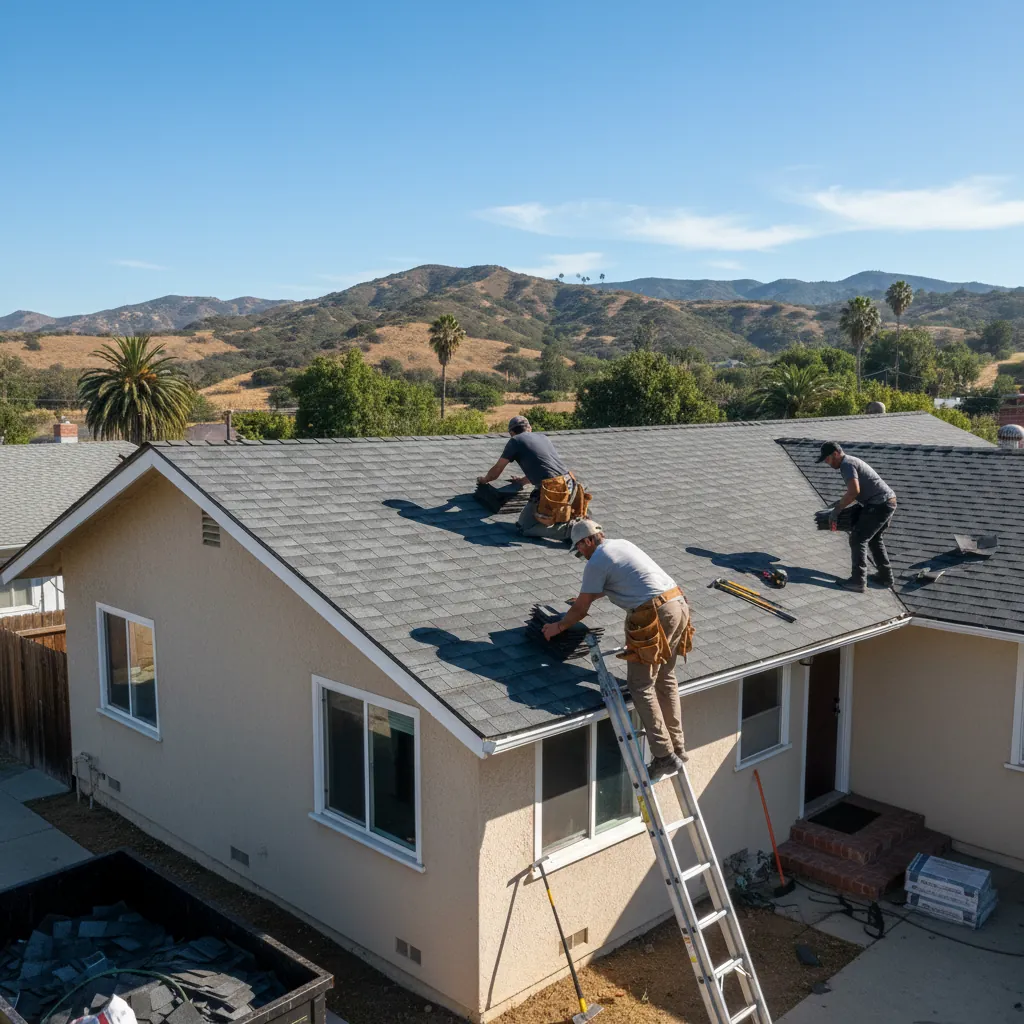
Typical Hollywood Hills costs, permit steps and timelines are below. When you are ready, describe your project and up to four local roofers serving Hollywood Hills will contact you. You compare and decide.
Maintaining a secure, weather-resistant roof is vital for preserving the unique architectural homes tucked along the winding roads of the Hollywood Hills. From mid-century modern masterpieces to historic canyon estates, local properties require specialized roofing solutions tailored to our distinct microclimates and hillside terrain. We connect you with experienced roofing contractors who understand the precise structural and safety demands of 90068 residences.
The steep, narrow streets of Beachwood Canyon and Mulholland Drive present significant logistical challenges, requiring precise staging for heavy materials and specialized safety rigging on steep hillside lots.
Furthermore, because these homes sit in a designated Very High Fire Hazard Severity Zone, roofing projects must strictly adhere to LADBS ignition-resistant standards and Cool Roof mandates. Staging a roof replacement here requires careful planning around tight hillside access and potential structural weight limits on complex soils.
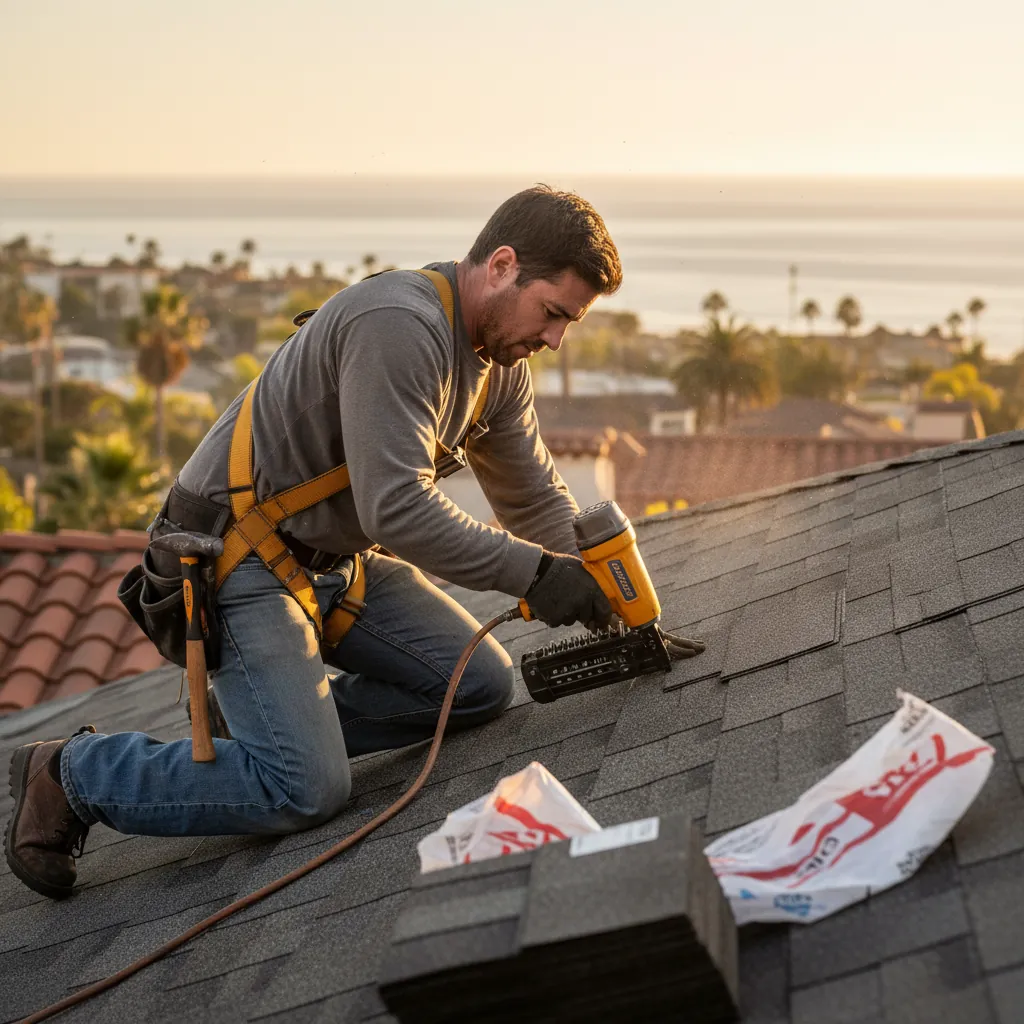
Varies based on roof slope complexity and the accessibility of narrow Hollywood Hills streets for tear-off and delivery.
Requires structural assessment to ensure hillside foundations and framing can support the significant extra weight of tile.
Common for modern hillside homes with flat decks; meets strict LADWP and Title 24 energy efficiency requirements.
Typical market ranges for the Greater Los Angeles area, not a quote or a guarantee. The price of your job depends on its scope, so ask each pro for a written estimate before you decide. Bars share one scale, so you can compare project sizes.
Initial site evaluation to assess slope stability, street access, and structural load capacity.
Development of a localized staging and safety plan tailored to narrow hillside terrain.
Filing and securing necessary permits through the Los Angeles Department of Building and Safety (LADBS).
Tear-off of existing roofing materials with strict adherence to local disposal and recycling guidelines.
Installation of high-performance underlayment and Class A fire-rated, cool-roof materials.
Final inspection and sign-off by an LADBS inspector to ensure complete code compliance.
ContractorPro.Leads doesn't do the work itself. We pass your Hollywood Hills project to up to four local roofers who take this kind of job, and you decide whether to hire any of them.
Whether your property overlooks the serene waters of Lake Hollywood or sits nestled deep in the shaded enclaves of Beachwood Canyon, local homes are subject to intense sun exposure, seasonal Santa Ana winds, and high fire risks. Navigating the narrow corridors of Mulholland Drive requires contractors who know how to coordinate material deliveries without disrupting neighborhood access, ensuring a smooth project from permit pulling to final LADBS inspection.
Tell us what you have in mind. We'll pass it to up to four local pros, and they'll contact you to talk it through.
For standard roof replacements using approved materials, permits can often be obtained quickly through the LADBS Express Permit online portal. However, structural modifications or homes on complex hillside lots requiring geology reviews may take several weeks for plan check and approval.
Because the Hollywood Hills are designated as a Very High Fire Hazard Severity Zone, the City of Los Angeles requires Class A fire-rated roofing assemblies. This includes ignition-resistant underlayment, capped ridges, and non-combustible eave detailing to prevent ember intrusion.
Yes, the Los Angeles Department of Water and Power (LADWP) offers rebates for qualifying Cool Roof installations. Homeowners can receive financial incentives by choosing roofing materials that meet specific solar reflectance index (SRI) criteria to reduce urban heat island effects.
Limited street parking, steep slopes, and sharp bends (such as those near Beachwood Canyon) prevent large commercial delivery trucks from accessing many homes. Contractors must use smaller shuttle vehicles, manual transport, or specialized cranes, which adds to labor and logistics costs.
If you are replacing your roof with similar-weight materials, a structural report is usually not required. However, if you are upgrading to a heavier material like clay tile on a hillside lot, LADBS typically requires an engineering assessment to confirm the framing and foundation can handle the load.
