Typical Westwood costs, permit steps and timelines are below. When you are ready, describe your project and up to four local electricians serving Westwood will contact you. You compare and decide.
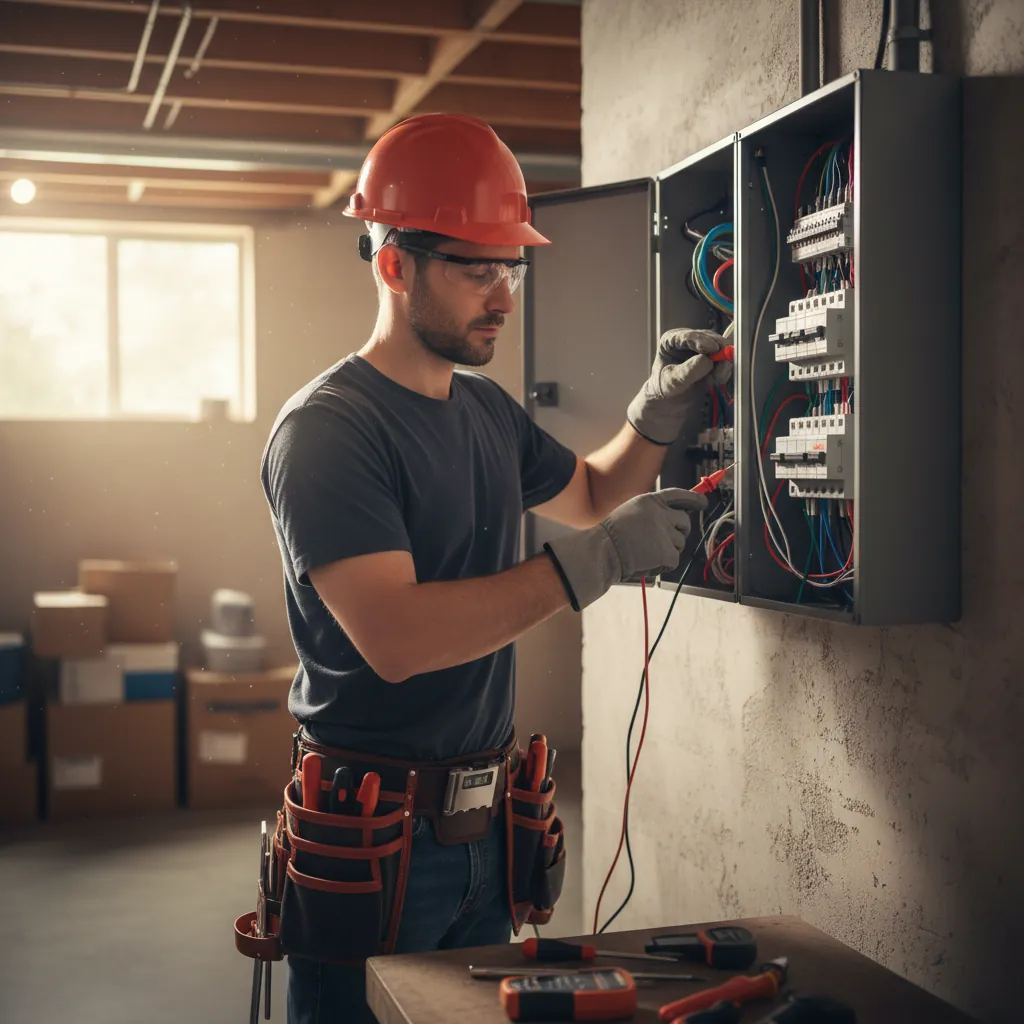
Conduct a thorough load calculation of your existing electrical system.
Pull all necessary permits through the Los Angeles Dept. of Building and Safety (LADBS).
Isolate and safely de-energize circuits before beginning any physical work.
Install high-quality copper wiring and commercial-grade fixtures or panels.
Perform rigorous ground-fault and polarity testing on all newly installed circuits.
Coordinate the final inspection with the LADBS inspector to sign off on the permit.
Older Spanish-style homes near UCLA often require upgrading from 100 Amps to support modern HVAC systems, EV charging, and LADBS compliance.
Cost varies based on the distance between your electrical panel and the garage or driveway, plus any concrete cutting required along Westwood's rolling terrain.
Common for historic 1920s and 30s homes in Westwood to replace unsafe knob-and-tube or cloth wiring with modern grounded circuits.
Adding dedicated lines for new appliances or outdoor landscape lighting prone to marine air wear.
Typical market ranges for the Greater Los Angeles area, not a quote or a guarantee. The price of your job depends on its scope, so ask each pro for a written estimate before you decide. Bars share one scale, so you can compare project sizes.
Westwood has a mix of older Spanish Colonial and mid-century homes near Westwood Village and newer residences closer to Wilshire Boulevard. Many of the older houses still run on their original electrical service, which was never sized for EV chargers, heat pumps, induction ranges or a remodeled kitchen. An electrical service change replaces the meter base, main panel and service conductors so the home can carry modern electrical loads. The work needs an LADBS electrical permit and inspection, and LADWP handles the disconnect and reconnect at the meter. A request through this page goes to up to four local electricians who serve Westwood and contact you directly.
The mild, marine-influenced climate of Westwood brings subtle coastal moisture and salt air that can accelerate the oxidation of outdoor electrical panels and architectural lighting.
Additionally, running underground conduit through the area's alluvial and older terrace soils—especially across the gently rolling terrain between the Santa Monica Mountains and Wilshire—requires careful trenching to avoid settling. Local projects must also strictly align with City of Los Angeles Dept. of Building and Safety (LADBS) standards to ensure safety and compliance.
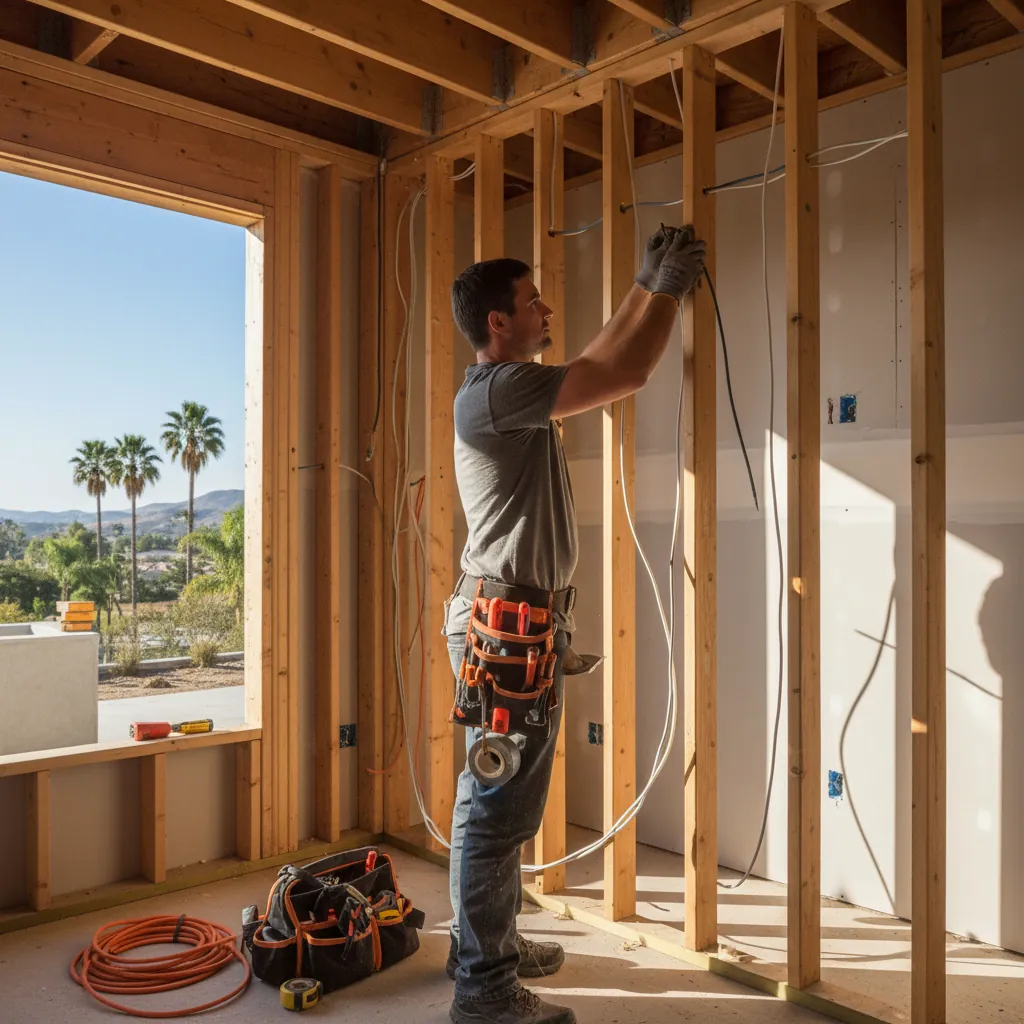
ContractorPro.Leads doesn't do the work itself. We pass your Westwood project to up to four local electricians who take this kind of job, and you decide whether to hire any of them.
Working in Westwood means navigating a distinct mix of historic charm and modern density. Whether you own a classic 1930s residence near UCLA or a contemporary condo off Wilshire Boulevard, local electrical systems must be updated carefully to preserve architectural integrity while meeting modern power demands. Electricians in our network are highly familiar with Westwood's neighborhood-specific layout, ensuring minimal disruption to your daily routine.
More planning guides for Westwood and nearby: electricians in Brentwood, electricians in Cheviot Hills, HVAC contractors in Westwood and kitchen remodeling in Westwood.
Tell us what you have in mind. We'll pass it to up to four local pros, and they'll contact you to talk it through.
Common signs are a main breaker that trips under normal use, a panel brand that is no longer made or has a poor safety record, no open breaker spaces, or plans to add an EV charger, heat pump or electric range. An electrician starts with a load calculation of what the house uses now and what it will use after the project. That number decides whether a panel swap is enough or the full service needs to be upsized.
LADWP owns the service drop or underground feed and the meter. Once LADBS has approved the permit, the electrician coordinates a date with LADWP to cut power, replaces the meter base and panel, and then calls for the LADBS inspection. After it passes, LADWP reconnects and sets the meter. Ask each electrician how they schedule this sequence, because the power is usually off for most of a day.
Clear access to the meter and panel, plan for the refrigerator and any medical equipment during the outage, and ask whether the existing grounding and bonding will be brought up to current code as part of the job. In older homes the electrician may find cloth-insulated or ungrounded branch circuits once the panel is open. Ask for that work to be priced separately so the service change itself stays clear.
For standard residential work like panel upgrades or EV chargers, many local contractors can secure 'Express Permits' online from the Los Angeles Dept. of Building and Safety (LADBS) instantly. More complex rewires or solar integrations requiring plan check can take 2 to 4 weeks.
Yes. The Los Angeles Department of Water and Power (LADWP) offers substantial rebates for residential Level 2 EV charger installations and panel upgrades linked to electrification. Your matched electrician can help you select qualifying equipment and provide the documentation needed for the rebate.
The mild, damp ocean breeze traveling inland from Santa Monica introduces salt-laden moisture to Westwood. Over time, this accelerates rust and corrosion on outdoor meter mains, landscape lighting connections, and pool subpanels, necessitating regular inspections and weather-tight enclosures.
Simple cosmetic fixture replacements typically do not require a permit. However, adding new circuits, running outdoor wiring through alluvial soils, or upgrading your electrical panel strictly requires a permit and inspection from the LADBS to ensure fire safety.
Westwood's gently rolling terrain features alluvial and older terrace soils. Trenching for underground conduit—such as running power to a detached garage or pool house—requires proper depth and bedding materials to prevent the conduit from cracking as the soil shifts or settles.
