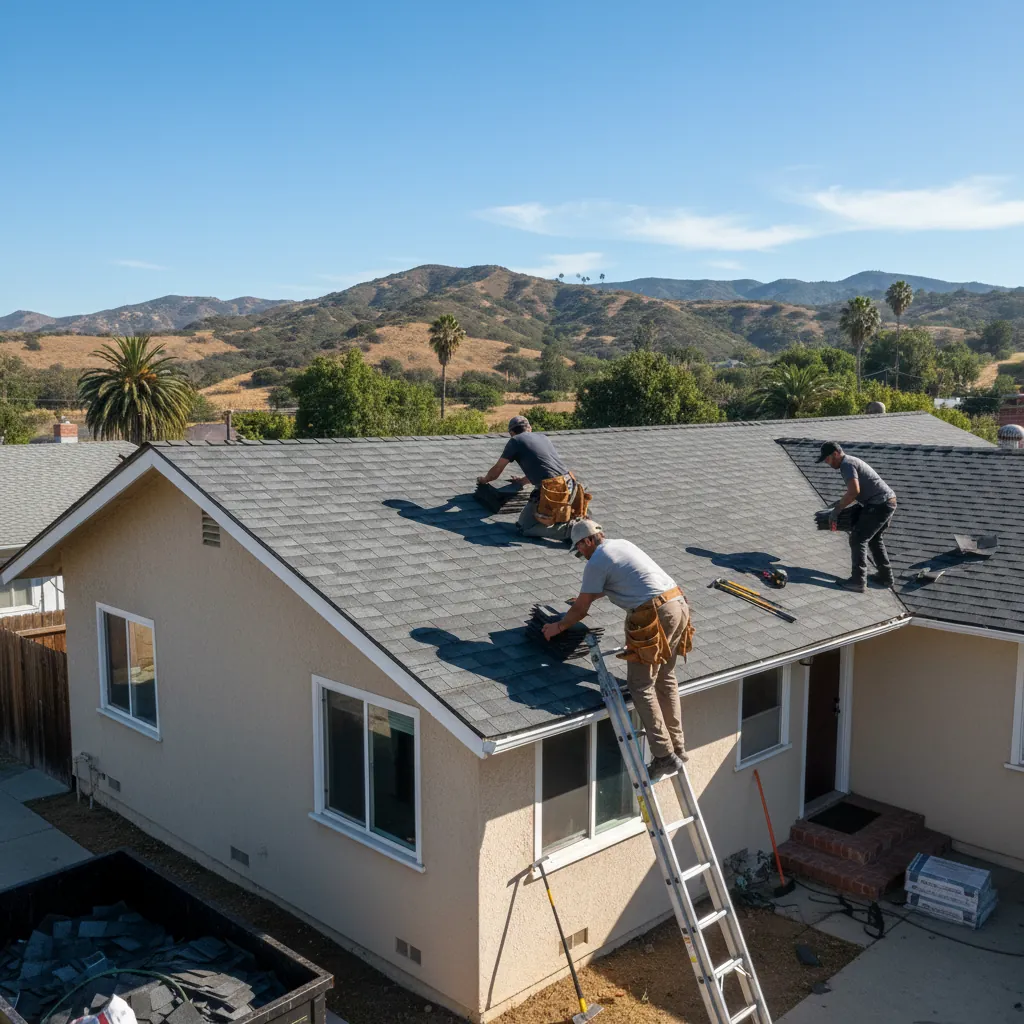
Typical Brentwood costs, permit steps and timelines are below. When you are ready, describe your project and up to four local roofers serving Brentwood will contact you. You compare and decide.
Maintaining a durable roof in Brentwood requires an understanding of our unique microclimates, from the damp marine layer along San Vicente Boulevard to the dry, wind-swept canyon hillsides. Whether you own a classic mid-century home or a modern estate, keeping your roof resilient is essential for long-term property protection. We connect you with experienced local contractors who specialize in roofing systems tailored to Westside Los Angeles climates.
Brentwood's topography transitions from flat alluvial plains south of Sunset Boulevard to steep, unstable canyon slopes in the north.
This terrain shift means homes in the northern canyons face intense thermal expansion from sun exposure and lie within the City of Los Angeles's Very High Fire Hazard Severity Zones, requiring strictly regulated Class A fire-rated roofing materials. Additionally, coastal fog drifting from the Pacific can trap moisture on north-facing roof slopes, accelerating moss and dry rot if proper ventilation is not installed.
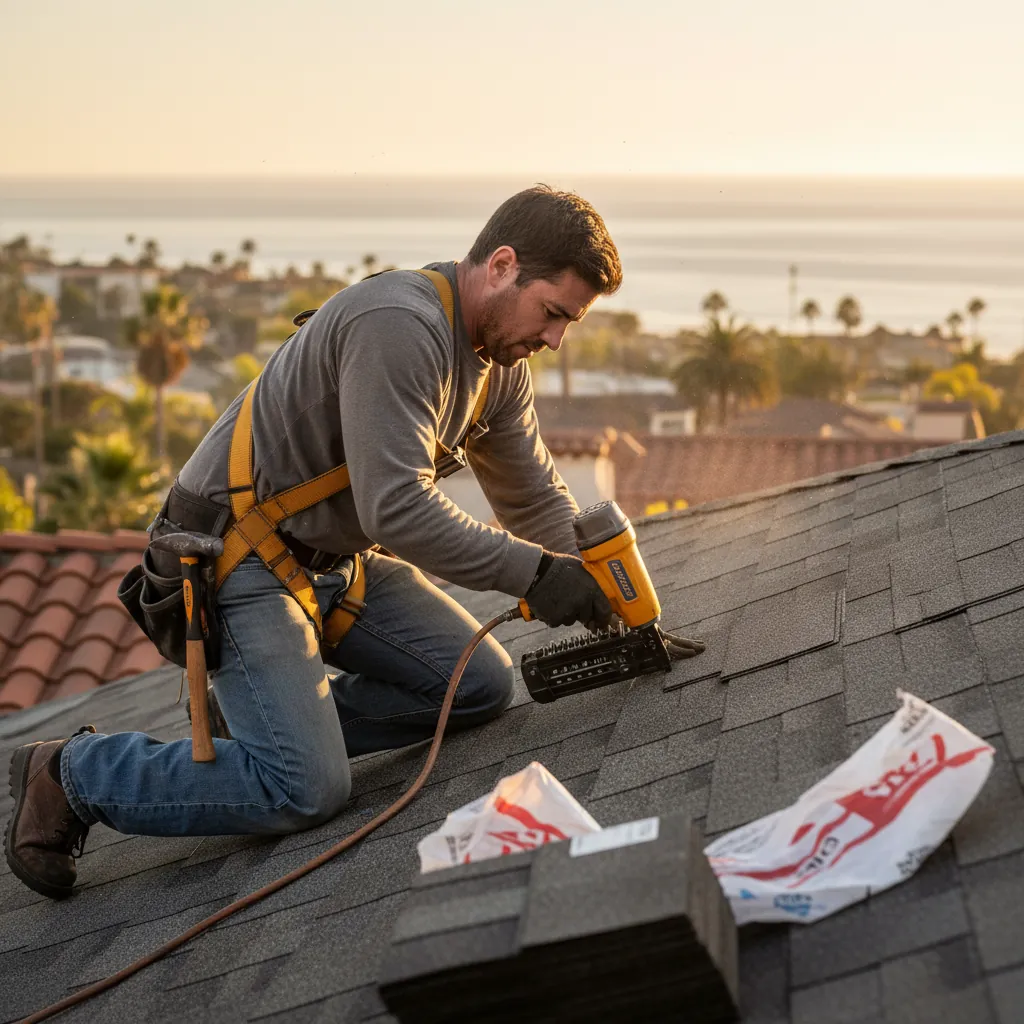
Ideal for flatter lots south of Sunset; pricing varies based on shingles grade and architectural complexity.
Popular for flat-roof modern homes to meet California Title 24 energy standards and qualify for LADWP rebates.
Often required for Mediterranean-style estates in Brentwood; high material weight may require structural reinforcement checks by LADBS.
Extremely durable and fire-resistant; highly recommended for homes in the canyon fire zones north of Sunset.
Typical market ranges for the Greater Los Angeles area, not a quote or a guarantee. The price of your job depends on its scope, so ask each pro for a written estimate before you decide. Bars share one scale, so you can compare project sizes.
Conduct a comprehensive deck and attic ventilation inspection to address coastal moisture issues.
Select fire-rated materials complying with LADBS and local high-fire zone regulations.
Secure necessary building and safety permits from the Los Angeles Department of Building and Safety (LADBS).
Prepare the site with protective staging, especially on steep, terraced canyon properties.
Perform tear-off of old materials and reinforce structural roof decking where required.
Install underlayment, flashing, and high-efficiency reflective roofing material, followed by a final LADBS inspection.
ContractorPro.Leads doesn't do the work itself. We pass your Brentwood project to up to four local roofers who take this kind of job, and you decide whether to hire any of them.
From the bustling, tree-lined walks near the Brentwood Country Mart along San Vicente Boulevard to the winding, secluded driveways branching off Sunset Boulevard into Mandeville and Kenter Canyons, our service area covers every corner of 90049. Local roofing contractors are deeply familiar with the neighborhood's architectural diversity, ensuring that historic Spanish tile roofs and contemporary flat-roof estates alike receive structurally sound, code-compliant treatment.
Tell us what you have in mind. We'll pass it to up to four local pros, and they'll contact you to talk it through.
Yes, the Los Angeles Department of Building and Safety (LADBS) requires a permit for all reroofing projects in the City of Los Angeles to ensure compliance with structural and fire safety codes.
If your home is located in the northern canyon areas of Brentwood, building codes mandate Class A fire-rated materials, such as specific asphalt shingles, concrete tiles, or metal roofing, to prevent ignition from flying embers.
For standard residential reroofs, permits can often be obtained quickly online through the LADBS Express Permit system. However, homes with complex architectural designs or those needing structural reinforcement on canyon slopes may require in-person plan check reviews taking several weeks.
Yes, installing cool roofs that reflect solar heat may qualify you for LADWP (Los Angeles Department of Water and Power) rebates under their energy-efficiency programs, provided the materials meet specific solar reflectance index (SRI) standards.
While Southern California weather is generally mild, it is best to avoid the winter rainy season (typically December through March) to prevent water intrusion during the tear-off phase, especially on steep, exposed canyon slopes.
